Santiago's Youth Sport Revolution Hinges on Aging Facilities and Funding Gaps
As grassroots clubs struggle with crumbling infrastructure, the city faces a critical juncture in developing the next generation of athletes.
As grassroots clubs struggle with crumbling infrastructure, the city faces a critical juncture in developing the next generation of athletes.
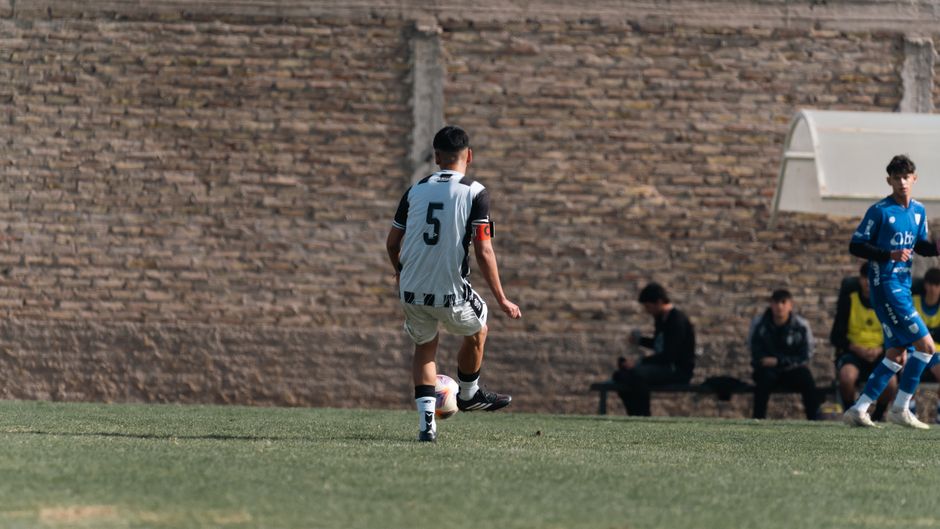
Walk through the neighborhoods of Ñuñoa and La Florida on any Saturday morning, and you'll see the promise of Santiago's youth sport ecosystem: children kicking footballs on dusty courts, teenagers shooting hoops on makeshift outdoor facilities, young swimmers queuing at crowded municipal pools. Yet beneath this surface energy lies a troubling reality: the infrastructure supporting these 40,000+ young athletes remains inadequate and increasingly fragile.
The Centro Deportivo Municipal de Providencia, one of Santiago's flagship youth facilities, exemplifies the challenge. Built in 1987, the complex now hosts six football pitches and two basketball courts serving over 2,500 young members annually. However, maintenance costs have nearly doubled since 2023, straining budgets already stretched by inflation. Club administrators report that resurfacing a single synthetic pitch now costs upwards of $85,000—a prohibitive expense for most grassroots organizations.
The disparity is stark. Wealthier neighborhoods like Vitacura and Las Condes benefit from private club infrastructure—climate-controlled training facilities, professional-grade equipment, and full-time coaching staff. Meanwhile, poblaciones such as La Pintana and Pudahuel rely on aging public courts and improvised spaces. A recent audit by the Federación de Deportes Comunitarios found that 63% of grassroots clubs in peripheral neighborhoods operate from facilities rated "below standard" for youth development.
Municipal investment has provided some relief. The Programa de Infraestructura Deportiva Comunitaria allocated 12 billion pesos in 2024 to renovate facilities across twelve neighborhoods, with plans to upgrade the Complejo Deportivo de San Miguel and expand aquatic programs in eastern Santiago. Yet officials acknowledge these funds reach only 40% of demand.
The private sector has begun filling gaps. Local sports businesses have partnered with community organizations to sponsor facility improvements, while universities like Universidad de Chile donate facilities during off-peak hours. Still, sustainability remains elusive. Volunteer-run clubs—the backbone of grassroots development—struggle to maintain competitive venues while operating on annual budgets of $15,000-$30,000.
Santiago's competitive advantages in football, athletics, and swimming depend on early talent identification and systematic development. Without addressing infrastructure deficits, the city risks losing young athletes to wealthier clubs or abandoning sport altogether. The question facing municipal and community leaders is clear: will Santiago invest strategically in grassroots facilities now, or continue managing decline across its neighborhoods?
This article was compiled by AI from the sources linked above and screened before publishing. See our editorial standards.
How does this story make you feel?
Spread the word
About this article
Published by The Daily Santiago
Daily brief
Free, in your inbox before 7am. Weekdays.
More in Sport