Santiago's youth clubs brace for decisive winter finals as grassroots surge continues
With participation up 18% across municipal leagues, local academies in Ñuñoa and Providencia prepare for the high-stakes climax of the 2026 season.
With participation up 18% across municipal leagues, local academies in Ñuñoa and Providencia prepare for the high-stakes climax of the 2026 season.
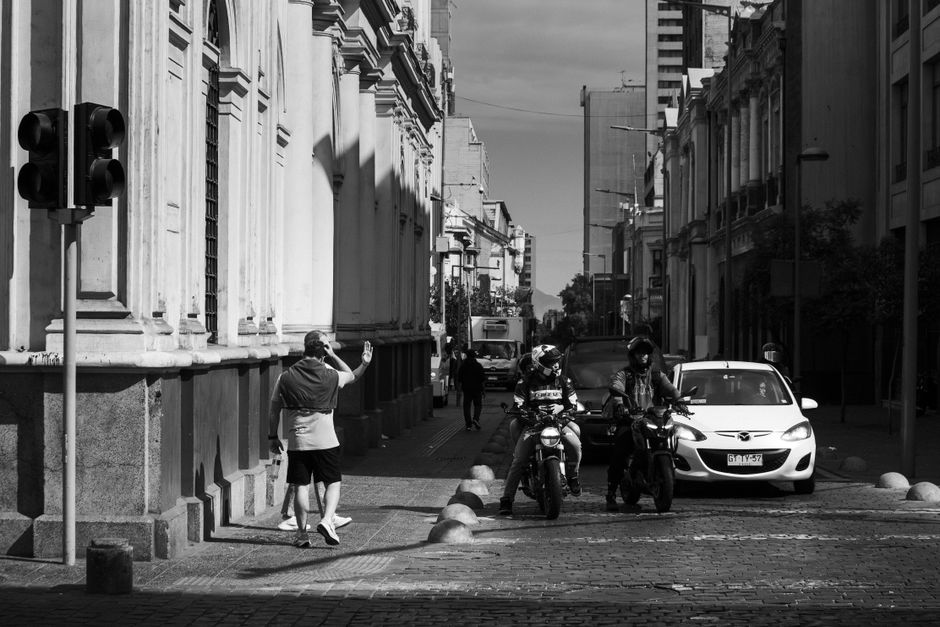
The final three weeks of June have transformed Santiago's neighbourhood sports complexes into nerve centres of preparation and anticipation. From the clay courts of Parque Araucano in Providencia to the synthetic pitches dotting Ñuñoa's municipal grounds, youth clubs across the capital are in overdrive as their junior squads approach the winter finals—a critical juncture that will determine promotion pathways and secure funding allocations for 2027.
The surge in grassroots participation this year has been remarkable. Municipal sports authority figures released data earlier this month showing an 18% increase in registered youth athletes across Santiago's seven administrative zones compared to 2025, with football, basketball, and athletics driving most of the growth. The Estadio La Florida complex, serving the eastern suburbs, has expanded its youth programming to accommodate 340 participants—up from 285 last season.
What makes this year's finals particularly significant is the structural reform implemented in March. The Santiago Youth Sports League restructured its competition format to create three tiers rather than two, allowing more clubs to qualify and reducing the pressure that previously forced younger athletes out of organised sport. Grassroots directors report the change has been transformative.
"We're seeing kids stay in the system longer," said one Ñuñoa-based academy coordinator, reflecting a sentiment echoed across the region. Club membership fees—ranging from 45,000 to 75,000 pesos monthly—remain a barrier for families in outlying districts like La Pintana and Puente Alto, but scholarship programmes have doubled this year, reaching approximately 1,200 young athletes.
The finals schedule runs from July 2 through July 26, with quarter-finals across multiple venues including Complejo Deportivo Lazo, the traditional hub in Estación Central. Basketball championships will centre on the renovated courts near Avenida Providencia, while athletics events utilise the refurbished Estadio Ñublense track.
Club administrators are acutely aware that these finals carry implications beyond trophies. Television coverage—modest by international standards but significant locally—provides visibility that attracts sponsors and sustains the volunteer coaching networks essential to grassroots football, volleyball, and tennis across Santiago. Several clubs have already secured corporate backing from regional businesses for the finals period.
The winter finals also represent vindication of the municipal government's three-year investment in facility upgrades and coach training programmes. If this year's trajectory continues, grassroots sports in Santiago may finally move beyond the chronic underfunding that has historically plagued youth development outside elite academies.
For the thousands of young athletes preparing across Santiago's neighbourhoods, the coming month will determine their competitive futures and, often, their relationship with sport itself.
This article was compiled by AI from the sources linked above and screened before publishing. See our editorial standards.
How does this story make you feel?
Spread the word
About this article
Published by The Daily Santiago
Daily brief
Free, in your inbox before 7am. Weekdays.
More in Sport