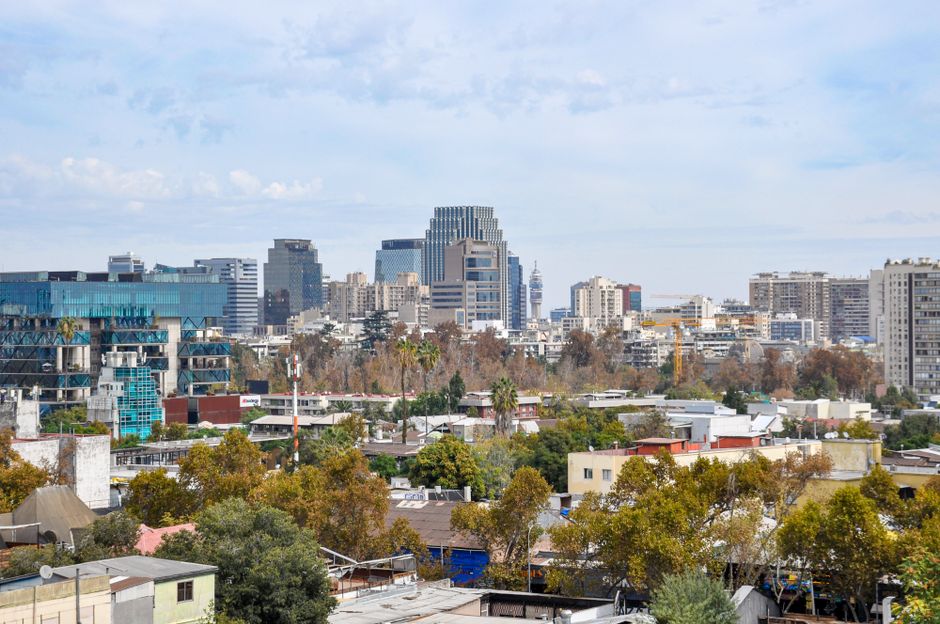
The Andes loom over Santiago, and increasingly, locals are answering their call. Recent participation data from the Federación de Andinismo de Chile reveals that outdoor climbing and adventure sports have experienced a 240% surge in documented participants between 2023 and 2026, a dramatic transformation that reflects broader changes in how Santiaguinos approach fitness, risk, and community.
The numbers tell a striking story. Traditional gym memberships in the capital have plateaued, with enrollment growth hovering around 3% annually. Meanwhile, climbing gyms in Las Condes and Ñuñoa report waiting lists, while outdoor climbing groups organizing weekend expeditions to El Peñol de Rungue—just 45 minutes northwest of the city—have grown from roughly 200 regular participants to over 700. Equipment sales at specialist retailers along Lastarria have jumped 180% year-over-year.
What's driving this? Experts point to a combination of factors. Post-pandemic, Santiaguinos increasingly seek activities that promise both solitude and community—climbing delivers both. The sport also carries an inherent narrative appeal in a city where vertical geography defines daily life. Unlike spinning classes or CrossFit boxes, climbing demands genuine engagement with the environment, a quality resonating with fitness-conscious urbanites tired of repetitive routines.
The economic dimension is noteworthy. A basic climbing course through organizations operating near Parque Metropolitano costs approximately 150,000 pesos. Equipment investment typically runs 300,000-600,000 pesos. These price points position climbing as an accessible-yet-aspirational activity—expensive enough to signal commitment, affordable enough for middle-class participation. This democratization differs sharply from equestrian or golf cultures traditionally dominant in Santiago's wealthier neighborhoods.
Age data proves equally revealing. Participants aged 25-40 now dominate the climbing demographic (representing 64% of active climbers), a stark contrast to 2023 when that cohort comprised just 41%. Young professionals cite the sport's Instagram-friendly aesthetics and the tight-knit communities forming around climbing spots—factors that traditional fitness marketing has largely ignored.
The gender split tells another story: women now represent 38% of organized climbing participants, up from 19% three years ago. This growth outpaces the gender balance in most other extreme sports globally, suggesting that climbing's technical, problem-solving nature appeals across gender lines in ways that strength-based sports have not.
As Santiago's fitness culture continues evolving, one fact becomes clear: the city's residents are no longer content with treadmills facing blank walls. They're climbing higher, taking bigger risks, and in doing so, reshaping what fitness means in the capital.
This article was compiled by AI and screened before publishing. See our editorial standards.