The Andes Challenge Finals, Latin America's premier extreme climbing circuit, enters its climactic stage this July, and Santiago's climbing community is bracing for what could be the city's most competitive season in a decade. The 18-day event, traditionally held across multiple peaks in the Cordillera Central, will see athletes from across the region converge on routes that have defined the sport's evolution in South America.
The finals format, unchanged since 2023, tests competitors across four disciplines: traditional rock climbing on the granite faces near El Morado, speed ascents on the technical mixed terrain above the Maipo River canyon, high-altitude endurance on peaks exceeding 5,500 metres, and a final wilderness navigation component through the Cajón del Maipo. Athletes must complete all four segments within the 18-day window, with cumulative times determining overall winners.
Local interest centres on Santiago's dominant clubs. The Club de Montaña Andino, based in Ñuñoa, has produced four national title holders in the past six years and enters this season with an expanded roster. Their facility on Avenida Irarrázaval, which opened a new 22-metre indoor training wall in March, has become a crucial preparation ground. Meanwhile, the newer Las Condes Extreme Sports collective, operating from a state-of-the-art gym in the Apoquindo neighbourhood, has emerged as a genuine challenger, investing heavily in technical coaching over the past eighteen months.
Registration fees have risen 12% compared to 2025, now standing at approximately 450,000 CLP for full competitors, reflecting increased logistical costs and improved medical support infrastructure across the routes. Spectator access has also expanded, with designated viewing areas now established at key checkpoints along the Cajón del Maipo trail and at base camp near San José de Maipo.
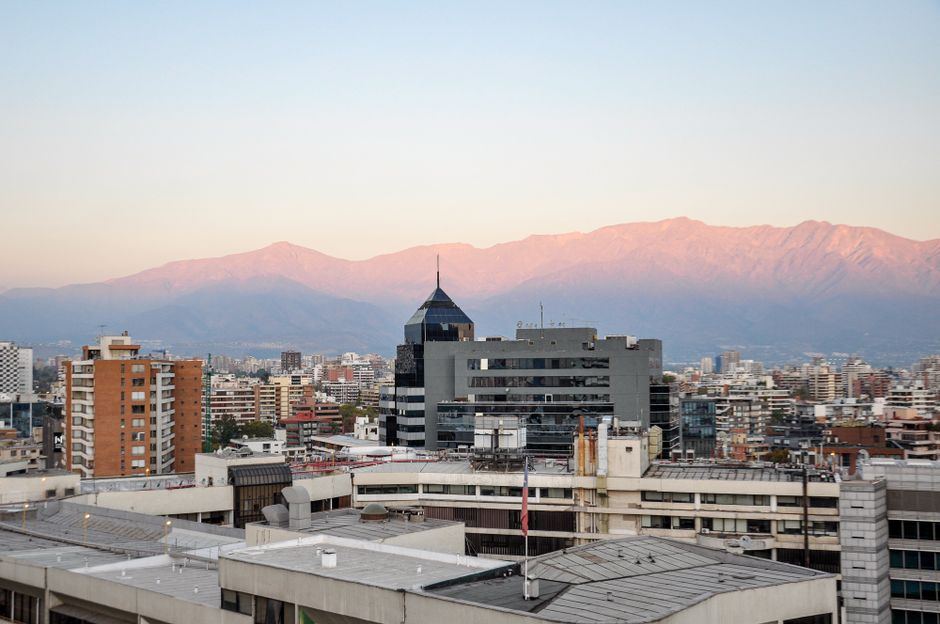
The competition arrives amid broader growth in Santiago's adventure sports culture. Local gyms report membership increases of 18% year-over-year, while participation in regional qualifying events has doubled since 2024. The city's elevation—1,295 metres above sea level—provides unusual advantages for acclimatisation training that international competitors increasingly recognise.
Weather forecasts suggest stable conditions through mid-July, though alpine sections carry historical volatility. The finals conclude with a ceremonial descent and awards celebration at the Plaza de Armas on July 18, traditionally drawing thousands of local spectators and media coverage across Latin American sports networks.
For Santiago's climbing community, this season represents validation of years of grassroots development and institutional investment. The finals are no longer simply a continental event; they've become a genuine test of the city's emergence as a mountaineering capital.
This article was compiled by AI and screened before publishing. See our editorial standards.