Technology
Santiago Tech Startups: Why VCs Are Investing $420M Annually
Discover how Santiago became Latin America's top venture capital destination, attracting global investors with first-world infrastructure and regional market access.
How we reported this
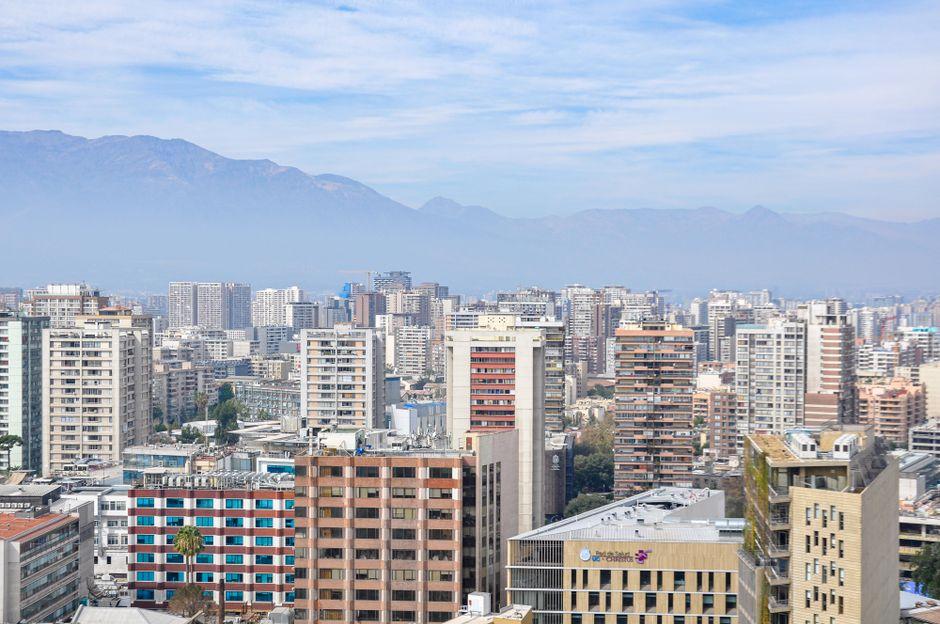
Santiago's tech ecosystem has developed a reputation that defies simple categorization. Unlike Silicon Valley's venture-capital abundance or Berlin's scrappy startup culture, Chile's capital has carved out something distinctive: a venture-backed innovation hub that leverages Latin American market access while maintaining first-world infrastructure standards.
The numbers tell part of the story. Over the past three years, venture capital flowing into Santiago-based startups has averaged $420 million annually-modest by global standards, but representing a per-capita investment rate that rivals established tech hubs. More telling is the composition: approximately 60% of funding now originates from international VCs rather than domestic sources, signaling that global investors view the city as a genuine alternative to traditional centers rather than a regional stepping stone.
Geography and economics explain part of this appeal. Startups clustering around Lastarria and surrounding neighborhoods benefit from proximity to both Pacific markets and deep Latin American supply chains. A software engineer or fintech founder in Santiago can build products serving 650 million people across Spanish-speaking markets-something that's considerably harder from North America or Europe. Add Chile's relative political stability, strong intellectual property protections, and favorable tax incentives for R&D investment, and the calculation shifts.
The ecosystem's institutional architecture distinguishes it further. Unlike hubs that rely primarily on angel networks or corporate venture arms, Santiago has developed a layered support system: Corfo (the Chilean development agency) provides early-stage capital through StartUp Chile programs; regional VC firms like Alaya Ventures and AC Ventures bring established networks; and international accelerators increasingly establish outposts here. The Barrio Lastarria creative district has naturally evolved as an innovation corridor, with shared workspaces, investor offices, and founder communities concentrated within walking distance.
What makes this distinctive globally is the deliberate focus on companies solving Latin American problems at scale. While other emerging-market hubs often aspire to replicate Silicon Valley's model, Santiago's most successful exits-in areas ranging from agtech to logistics-have succeeded precisely by understanding regional complexities that distant investors initially underestimate. A vertical farming startup here doesn't just optimize yield; it accounts for water scarcity across multiple climates. A logistics platform addresses infrastructure realities spanning from desert to rainforest.
This year's funding landscape shows consolidation rather than explosive growth, with later-stage rounds increasing while early-stage deals cool. Yet established players report sustained international interest. The ecosystem's maturation-moving from quantity toward quality of investment-may ultimately be what distinguishes Santiago long-term: not the size of its venture pools, but their sophistication and geographic leverage.