Technology
Fintech Platforms Help Santiago's Working Class Cut Banking Fees, Access Credit
Digital banking platforms and mobile payment solutions are transforming how residents in working-class neighbourhoods manage money, bypass traditional banking fees, and access credit.
Listen in English · 4 min
How we reported this
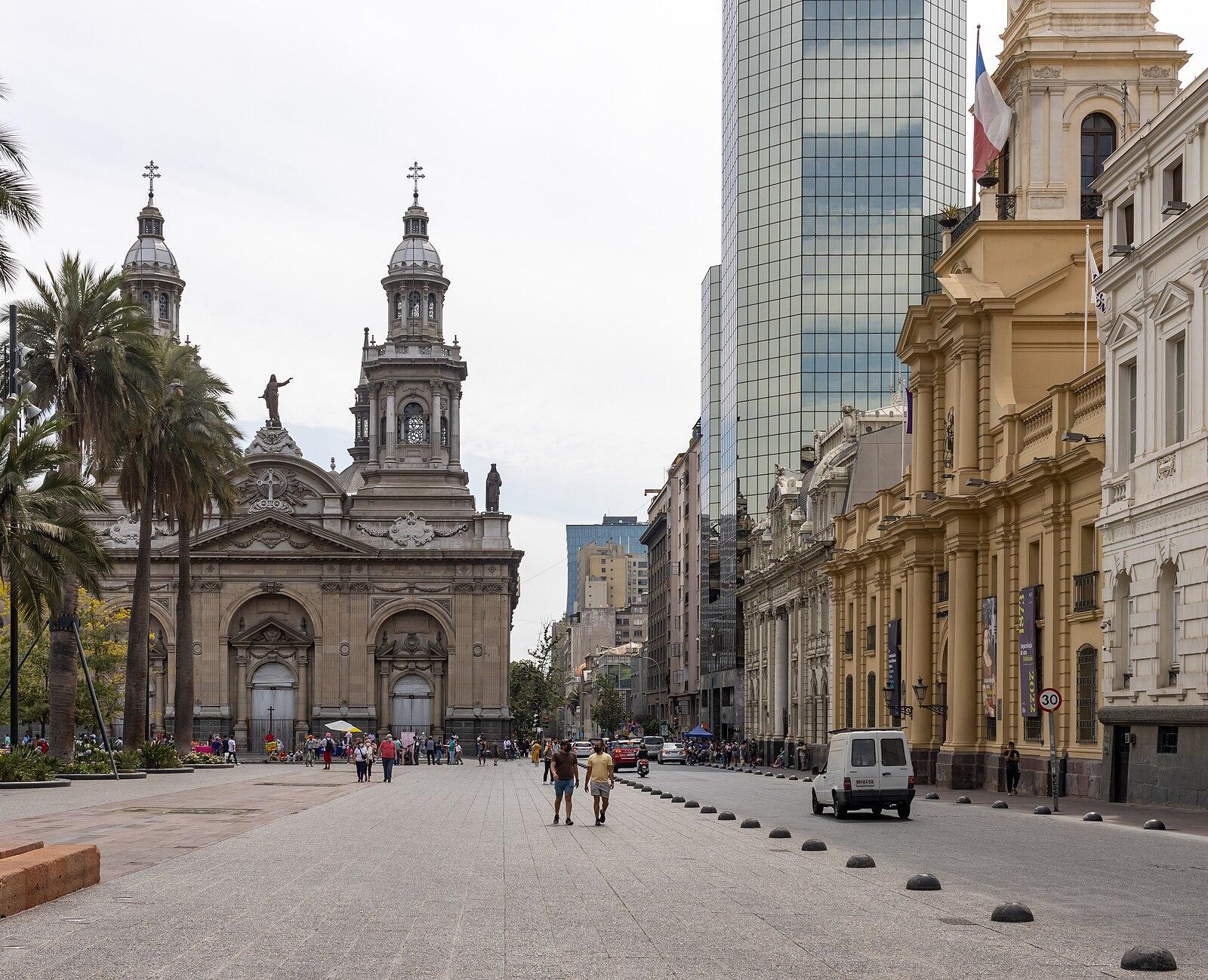
At a small empanada stand near Metro Moneda, vendor Carlos Ramírez no longer fumbles with cash or waits days for bank transfers. A quick tap of a phone and payment arrives instantly-a shift that represents a quiet revolution sweeping through Santiago's neighbourhoods.
The fintech boom reshaping Chile's capital has had outsized impact on residents in areas like Ñuñoa, La Granja, and Estación Central, where traditional banking infrastructure has long meant long queues, high fees, and limited access to credit. Recent data suggests mobile wallet adoption in Santiago has grown 47 percent over the past two years, with particularly strong uptake among small business owners and service workers earning under 800,000 pesos monthly.
The transformation extends beyond mere convenience. Digital-first financial platforms operating in Santiago now charge transaction fees averaging 0.8 percent compared to 2.5 percent at conventional banks-a meaningful difference for those managing tight monthly budgets. Micro-lending platforms have proliferated, allowing residents to access emergency funds within hours rather than days, circumventing the formal credit requirements that excluded many from the traditional banking system.
Small merchants across the city's commercial districts have particularly benefited. Payment processors offering zero-cost transfers for transactions under 100,000 pesos have fundamentally altered cash flow dynamics for retailers in areas like Huemul and around the Paseo Ahumada corridor. One informal survey of 200 vendors found 73 percent now process at least half their daily transactions digitally, up from just 19 percent in 2023.
Yet challenges persist. Digital literacy remains uneven across older demographics and in neighbourhoods with limited broadband infrastructure. Some elderly residents in outer communes still struggle with app-based systems, creating an inadvertent two-tier financial system. Cybersecurity concerns have also emerged, with reported fraud cases increasing 34 percent year-over-year as criminals exploit the rapid digitisation.
Regulators are responding. Chile's Financial Market Commission introduced new consumer protection standards in April 2026, requiring fintech companies to maintain offline alternatives and implement stronger authentication protocols-measures designed to ensure financial inclusion doesn't become financial vulnerability.
For Santiago's working residents, however, the broader impact is clear: financial services once accessible only through traditional banks are now within reach via smartphones. It's a shift that, despite lingering gaps, is fundamentally democratising access to everyday financial tools across the city's diverse neighbourhoods.