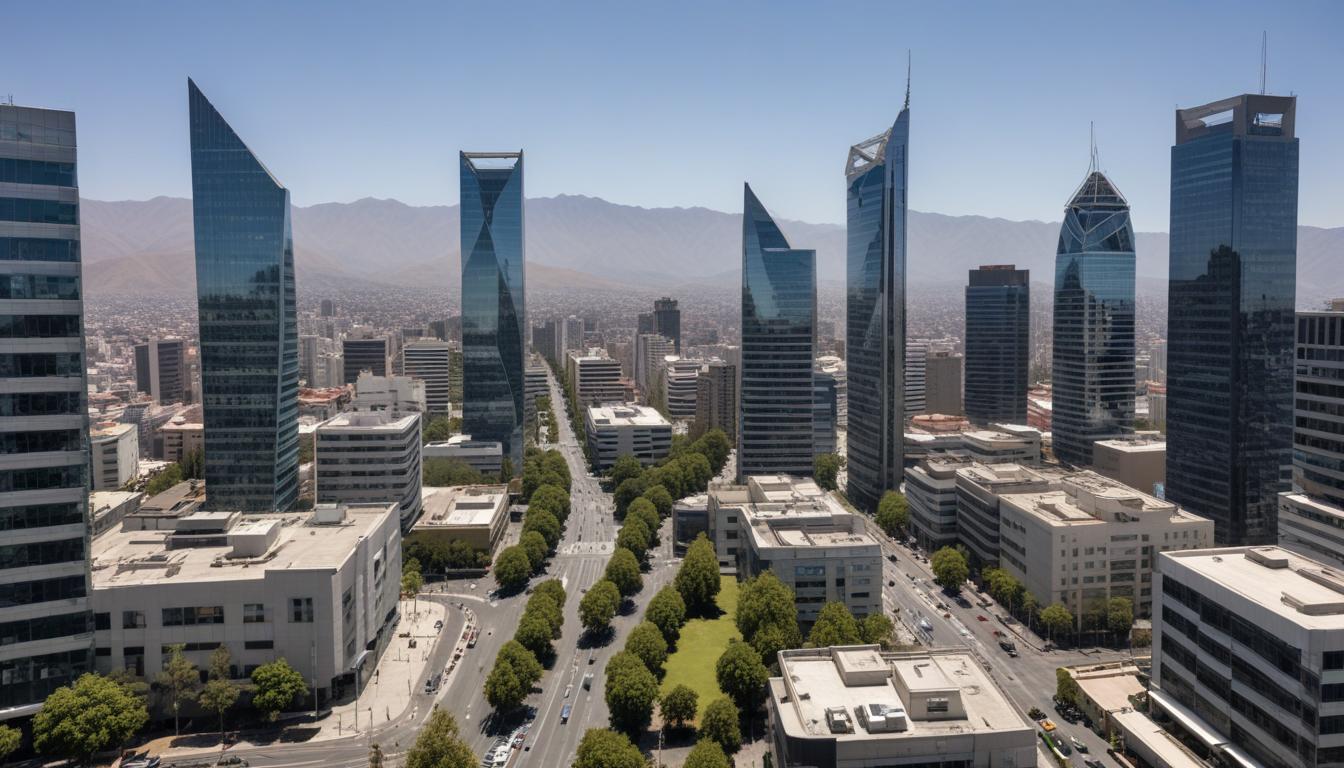
Business leaders gathering at venues along Avenida Andrés Bello this week are grappling with a sobering reality: Santiago's economic landscape has shifted markedly since the start of the year, and the trends demand immediate attention from corporate strategists and entrepreneurs alike.
Currency fluctuations against the US dollar have created particular headaches for import-dependent sectors. Retailers in the Barrio Brasil commercial corridor report that wholesale costs have climbed 12-15% since March, squeezing margins that were already under pressure. One mid-sized logistics firm operating near the Port of San Antonio noted that shipping container fees have spiked by nearly a quarter, forcing difficult conversations with clients about pricing adjustments.
The inflation picture remains complex. While headline figures have moderated from earlier peaks, Santiago consumers are feeling the pinch most acutely in food, utilities, and transport—categories where working and middle-class households spend disproportionately. This has reshaped demand patterns. Businesses in Las Condes and Providencia report stronger performance in discounted and value-oriented offerings, while premium segments face headwinds.
For investors, the implications are significant. Real estate valuations in central Santiago have stabilized after months of uncertainty, but commercial properties are seeing selective interest rather than broad-based demand. The office sector particularly reflects changing work patterns, with flexible workspace operators gaining ground over traditional long-term leases.
Banking sector observers note that small and medium enterprises—the backbone of Santiago's business ecosystem—are approaching credit differently. Interest rates remain elevated by historical standards, making debt financing less attractive. This has created unexpected opportunities for equity investors and alternative financing models, though risk appetite remains cautious.
Technology and financial services firms clustered around Sanhattan are among the bright spots, as companies invest in efficiency improvements to offset operational headwinds. Cybersecurity, automation, and data analytics services are seeing sustained demand.
The consensus among business development professionals is clear: the next six months will test adaptability. Companies that can manage cost structures efficiently, understand shifting consumer behaviour, and maintain operational flexibility are positioned to emerge stronger. Those banking on a rapid return to pre-2025 conditions may find themselves struggling.
Executives should monitor three key indicators closely: the currency trajectory against major trading partners, employment data in service sectors, and retail sales figures. Santiago's business community has navigated volatility before, but current market conditions demand vigilance and strategic clarity.
This article was compiled by AI from the sources linked above and screened before publishing. See our editorial standards.