Santiago's Tech Boom Faces Headwinds as Global Instability Reshapes Venture Capital
Geopolitical tensions and economic uncertainty worldwide are forcing local startups to rethink funding strategies and market expansion plans.
Geopolitical tensions and economic uncertainty worldwide are forcing local startups to rethink funding strategies and market expansion plans.
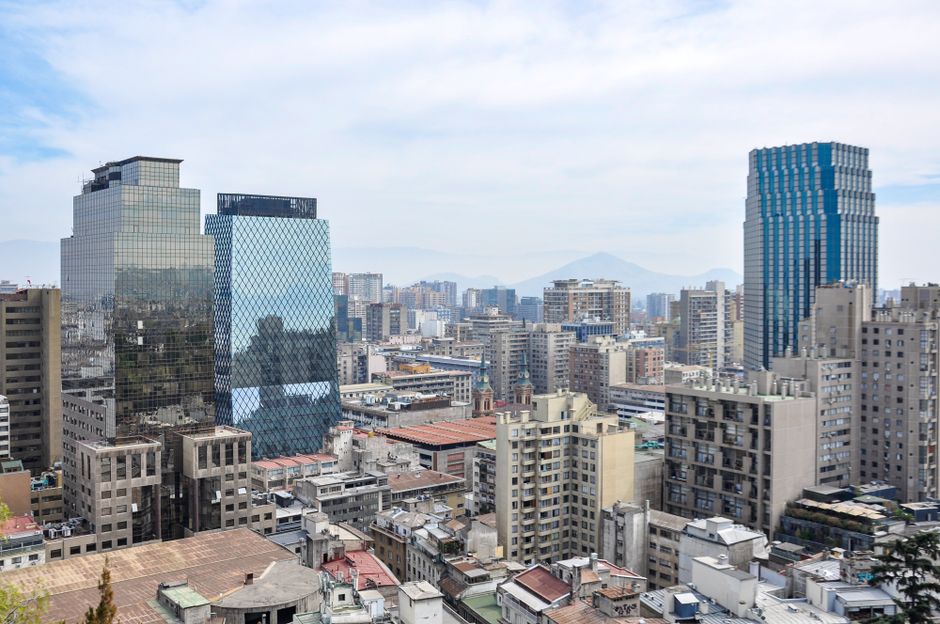
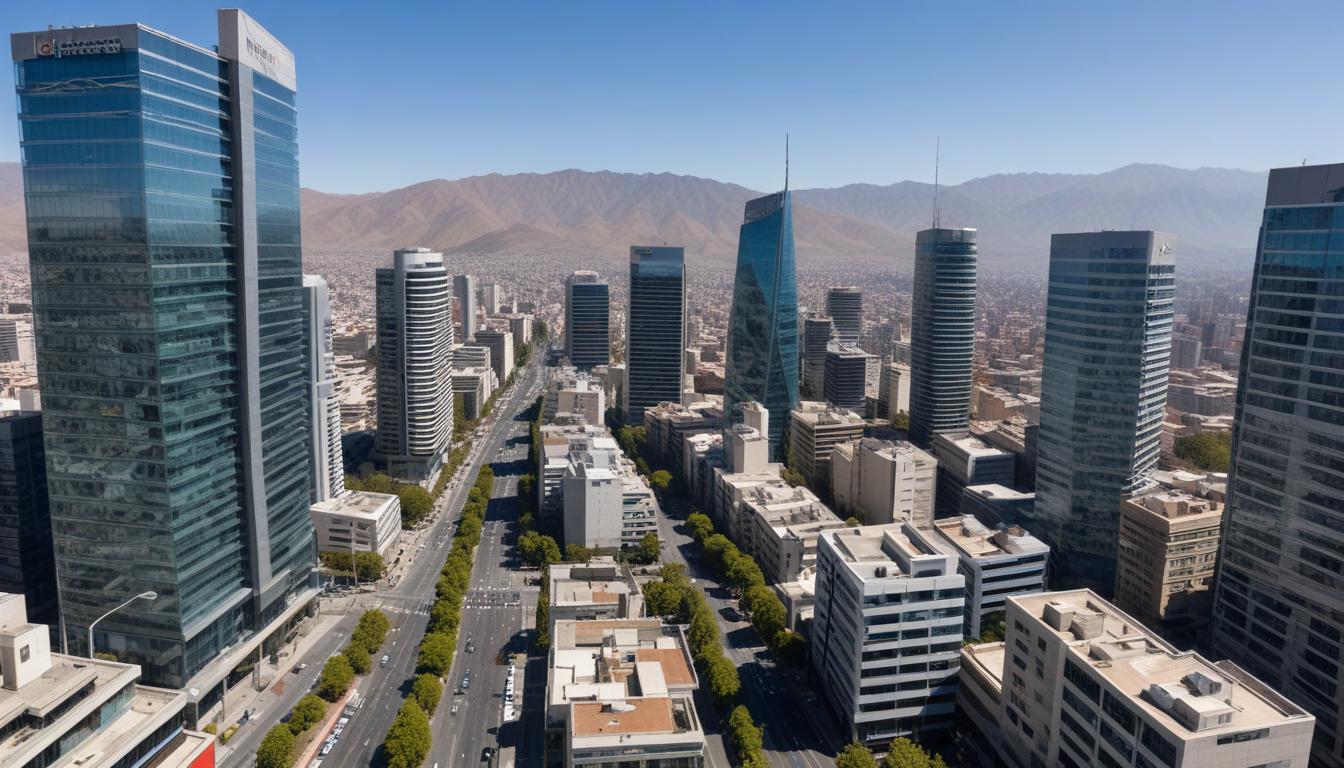
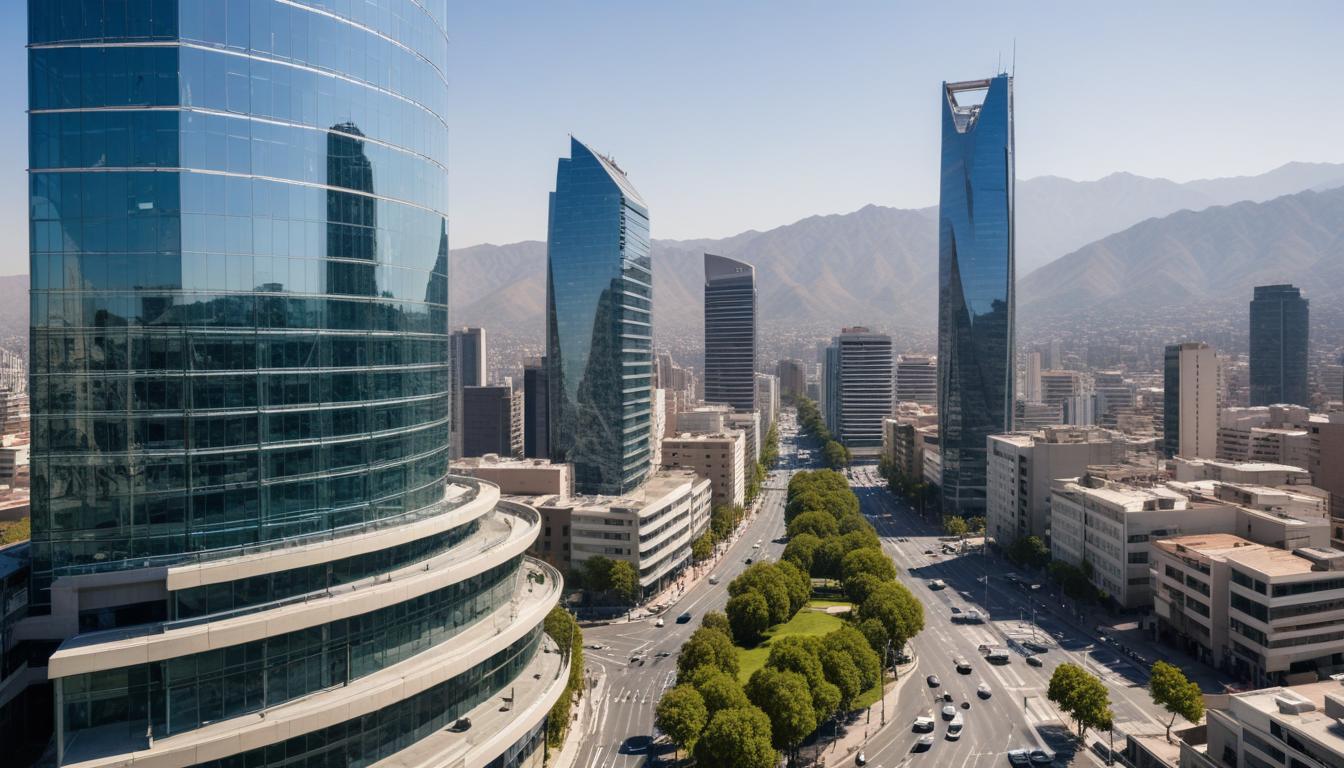
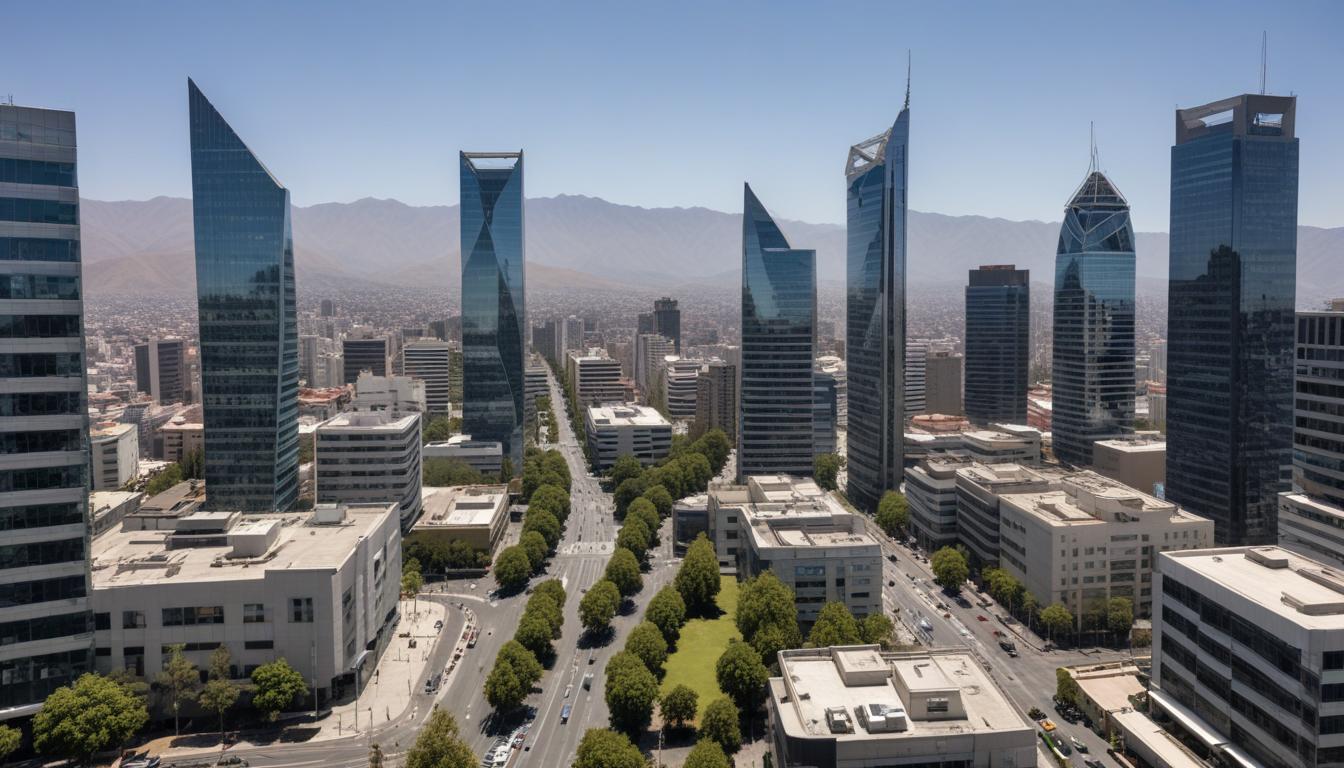
Santiago's innovation district, anchored around the Lastarria neighbourhood and the emerging tech corridor near Vitacura, is experiencing a sobering reality check as geopolitical turbulence ripples through global venture capital markets.
The past six months have brought a noticeable shift in funding dynamics for the city's 1,200-plus registered startups. International investors—who historically provided 60% of early-stage capital flowing into Chilean tech ventures—are increasingly cautious, redirecting resources toward regions perceived as more stable. The Iran-U.S. tensions, Pakistan's cross-border military actions, and Venezuela's humanitarian crisis have all contributed to a broader investor pullback from emerging markets, including Latin America.
"We're seeing investors asking harder questions about geopolitical risk," says a venture capital advisor working with firms along Avenida Nueva Costanera, where several accelerators and incubators are clustered. "Santiago used to be seen as relatively insulated from global shocks. That narrative has changed."
The numbers reflect this shift. According to data from the Santiago Chamber of Commerce, venture funding for local startups in Q2 2026 dropped 23% compared to the same period last year, settling at approximately $47 million. Meanwhile, the average seed round size has contracted from $350,000 to $280,000—forcing younger companies to extend their runway or postpone hiring.
The impact extends beyond funding. Startups focused on cross-border e-commerce and international payment solutions—sectors that thrived during the post-pandemic boom—are grappling with supply chain volatility and currency fluctuations. Several firms with operations in Argentina and Peru are reconsidering expansion timelines amid regional economic uncertainty.
Yet Santiago's ecosystem is adapting. Local institutional investors and corporate venture arms are stepping into gaps left by international capital. The Central Bank's recent moves to stabilize the peso have also restored some confidence in peso-denominated investments, offering a modest counterweight to foreign investor hesitation.
For founders operating from co-working spaces like those in the Barrio Italia precinct or the renovated industrial zones near Quinta Normal, the message is clear: global headwinds now dictate local strategy. Companies with resilient business models, diversified revenue streams, and strong domestic market presence are outperforming those betting entirely on international growth.
As Santiago continues positioning itself as Latin America's premier innovation hub, its startup ecosystem faces a defining test: whether it can mature beyond dependence on volatile foreign capital and build sustainable, locally-anchored growth engines. The next 18 months will prove critical.
This article was compiled by AI from the sources linked above and screened before publishing. See our editorial standards.
How does this story make you feel?
Spread the word
About this article
Published by The Daily Santiago
Daily brief
Free, in your inbox before 7am. Weekdays.
More in Business