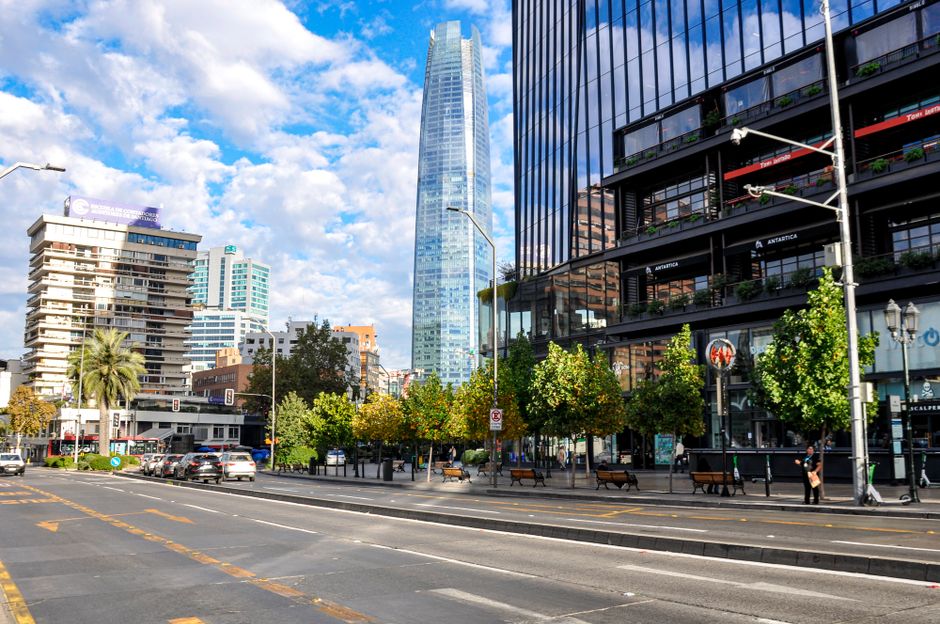
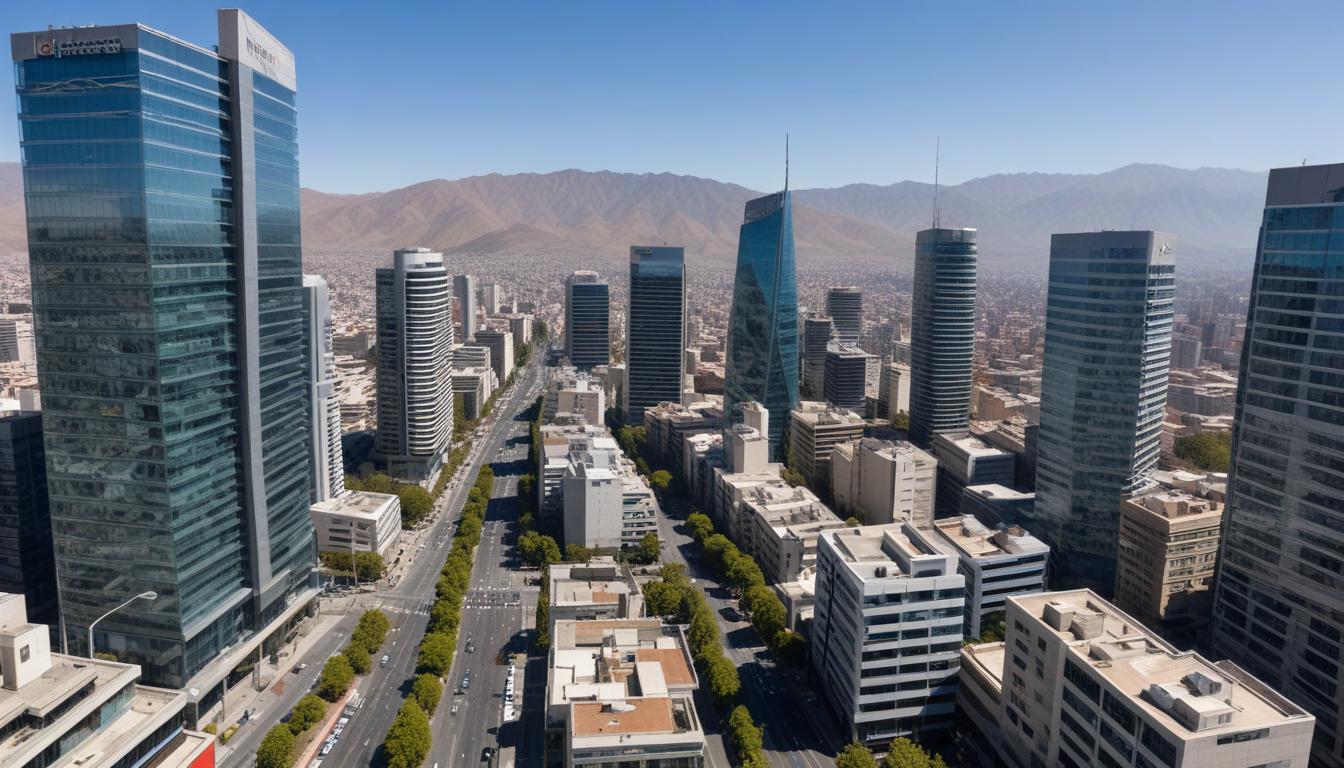
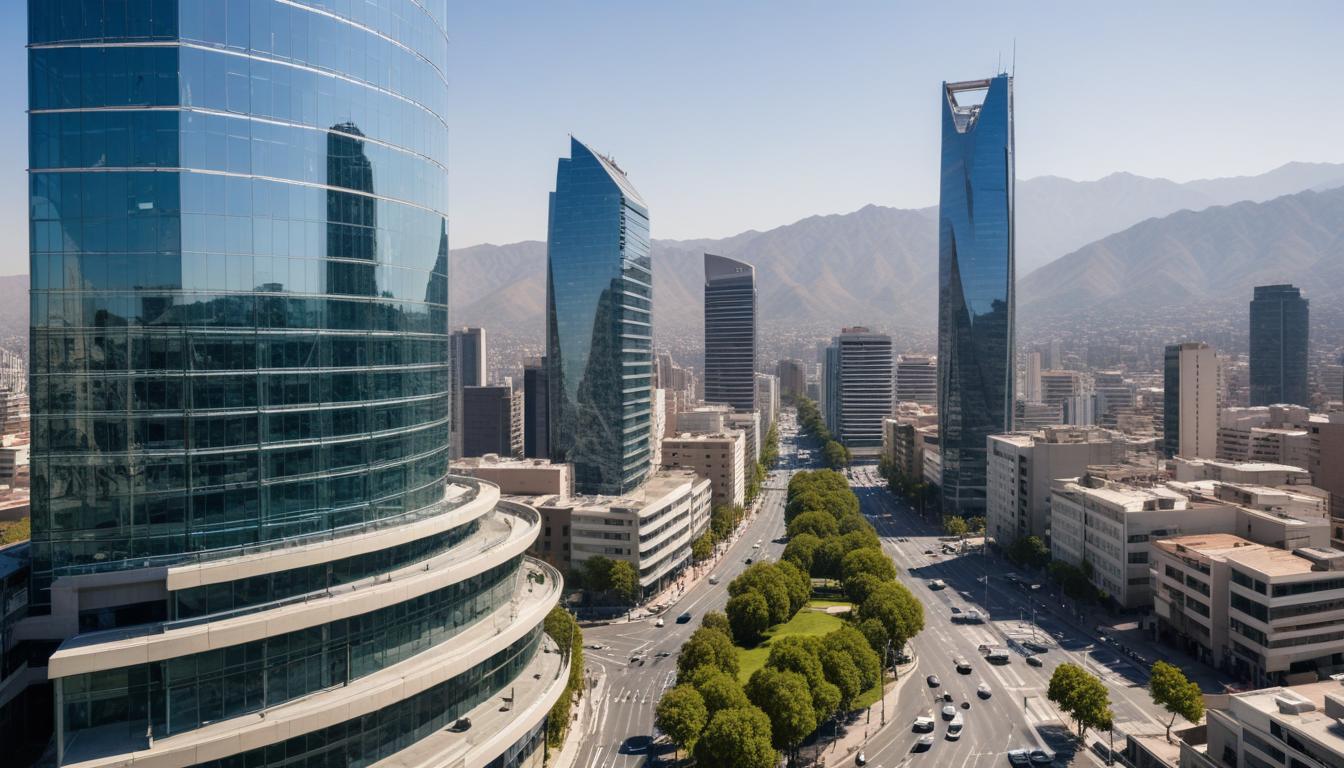
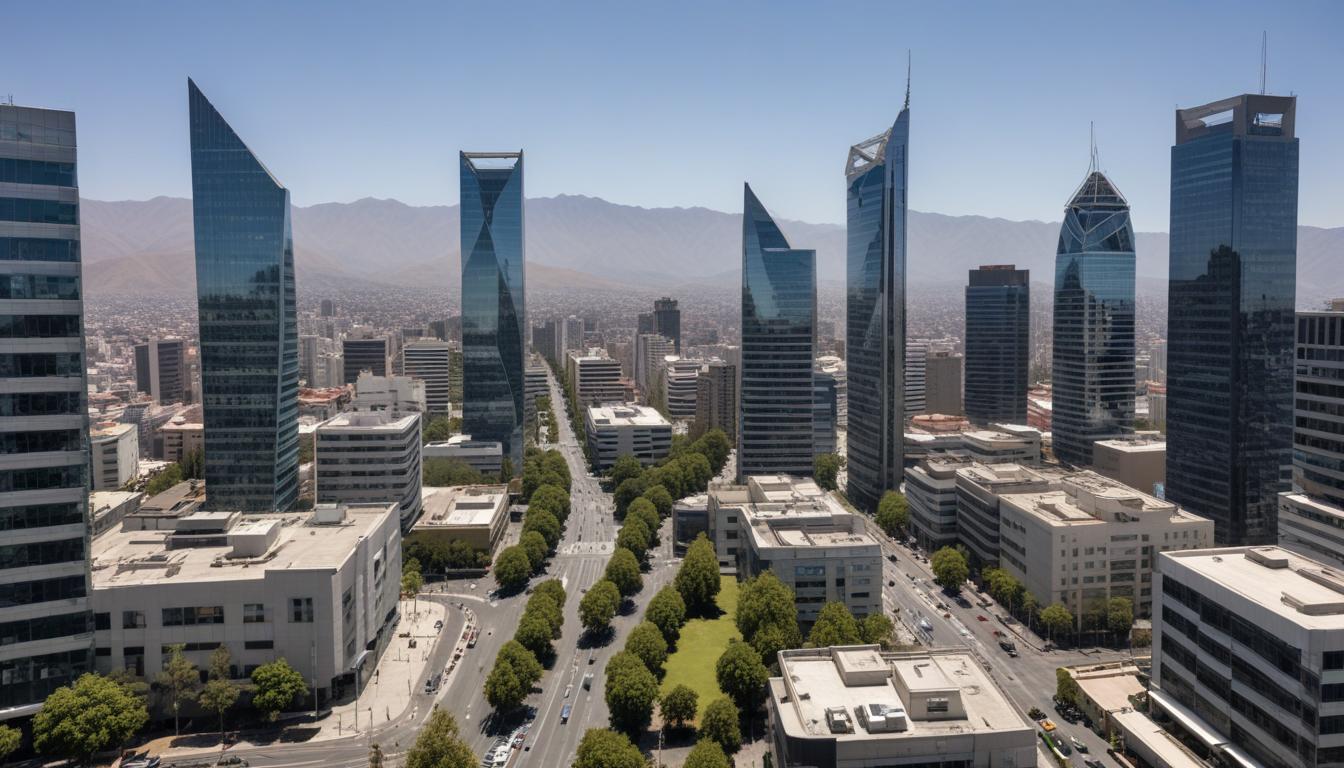
The tremors rippling through global markets are no longer distant economic abstractions for Santiago's business community. They've become immediate operational headaches that determine whether a restaurant in Bellavista can afford next month's imported wine shipment, or whether a tech startup in Las Condes can justify hiring its next engineer.
Currency volatility has emerged as the defining challenge. The Chilean peso has swung wildly against the dollar this quarter, creating what local financial advisors describe as a "planning nightmare." Companies importing raw materials—textiles from Pakistan, electronics components from Asia, premium goods from Europe—face unpredictable input costs. A manufacturer in the industrial zone near Cerrillos might lock in prices on Monday only to watch margins evaporate by Friday as exchange rates shift.
The ripple effects are visible across Santiago's business districts. In Providencia, where mid-sized export companies cluster, finance directors are extending payment cycles and renegotiating supplier contracts. Along the Alameda, where small retailers operate, inventory decisions have become exercises in crystal-ball gazing. One boutique owner in Lastarria recently described ordering spring merchandise as "betting on currency futures without the trading license."
Geopolitical tensions compound these challenges. Unrest in the Middle East has disrupted shipping routes, adding weeks to delivery timelines and forcing Santiago businesses to carry larger inventory buffers—a costly proposition for cash-strapped operations. The Pakistan-Afghanistan conflict has destabilized sourcing from one of Chile's important textile suppliers, forcing some Vitacura-based fashion importers to rapidly pivot toward alternative suppliers at premium prices.
Investment patterns are shifting accordingly. Local venture capital firms report that founders are increasingly cautious about expansion timelines, preferring to strengthen domestic operations before launching regional plays. Commercial real estate in Santiago's business zones shows softening demand as companies defer office expansions.
Yet some sectors are capitalizing on disruption. Financial services firms offering hedging solutions and currency management have expanded aggressively. Local logistics companies are winning clients by offering supply chain resilience consulting. Real estate investors are hunting for undervalued properties as uncertainty suppresses valuations.
The through-line connecting Venezuela's earthquake aftermath, Middle East tensions, and Trump administration policies is simple: Santiago doesn't exist in isolation. The city's 1.5 million residents depend on a business ecosystem inextricably linked to global flows of capital, goods, and geopolitical stability. As those flows become more turbulent, the pressure on Santiago's entrepreneurs intensifies—separating the adaptable from the vulnerable.
This article was compiled by AI from the sources linked above and screened before publishing. See our editorial standards.