Santiago's Tech Corridor Cashes In as Latin America Courts Asian Investment
While regional uncertainty roils markets, local firms in Lastarria and Providencia are capturing a growing slice of cross-Pacific trade deals.
While regional uncertainty roils markets, local firms in Lastarria and Providencia are capturing a growing slice of cross-Pacific trade deals.
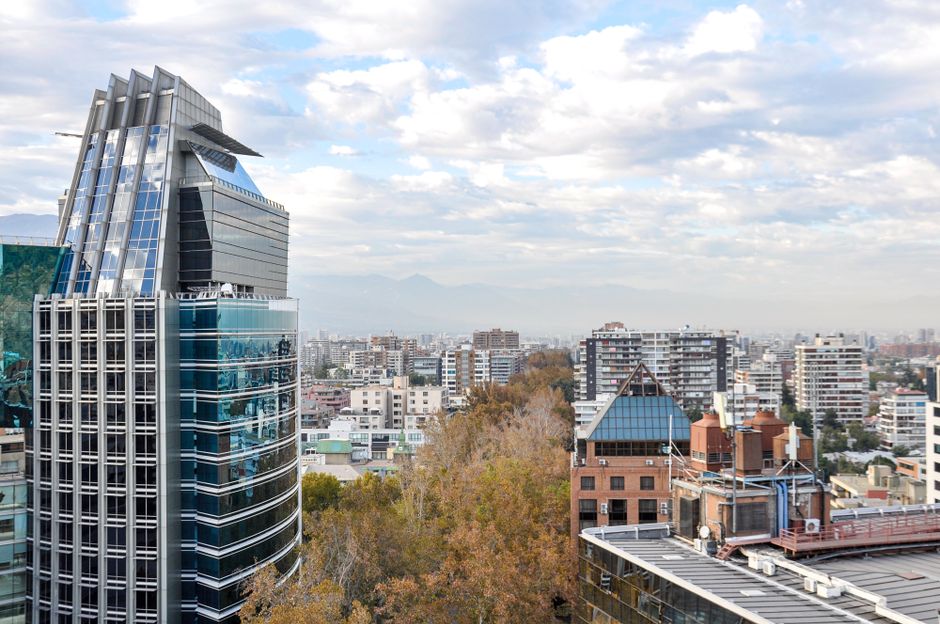
Santiago's business elite gathered last week at the Club de Viñateros on Merced Street to discuss what they've long suspected: the city is quietly becoming a crucial bridge between Asia's tech sector and Latin America's emerging markets. The timing couldn't be sharper. As geopolitical tensions simmer across the Middle East and Africa, multinational firms are actively diversifying their supply chains and distribution hubs, and Santiago—with its stable regulatory environment and geographical position—is reaping unexpected rewards.
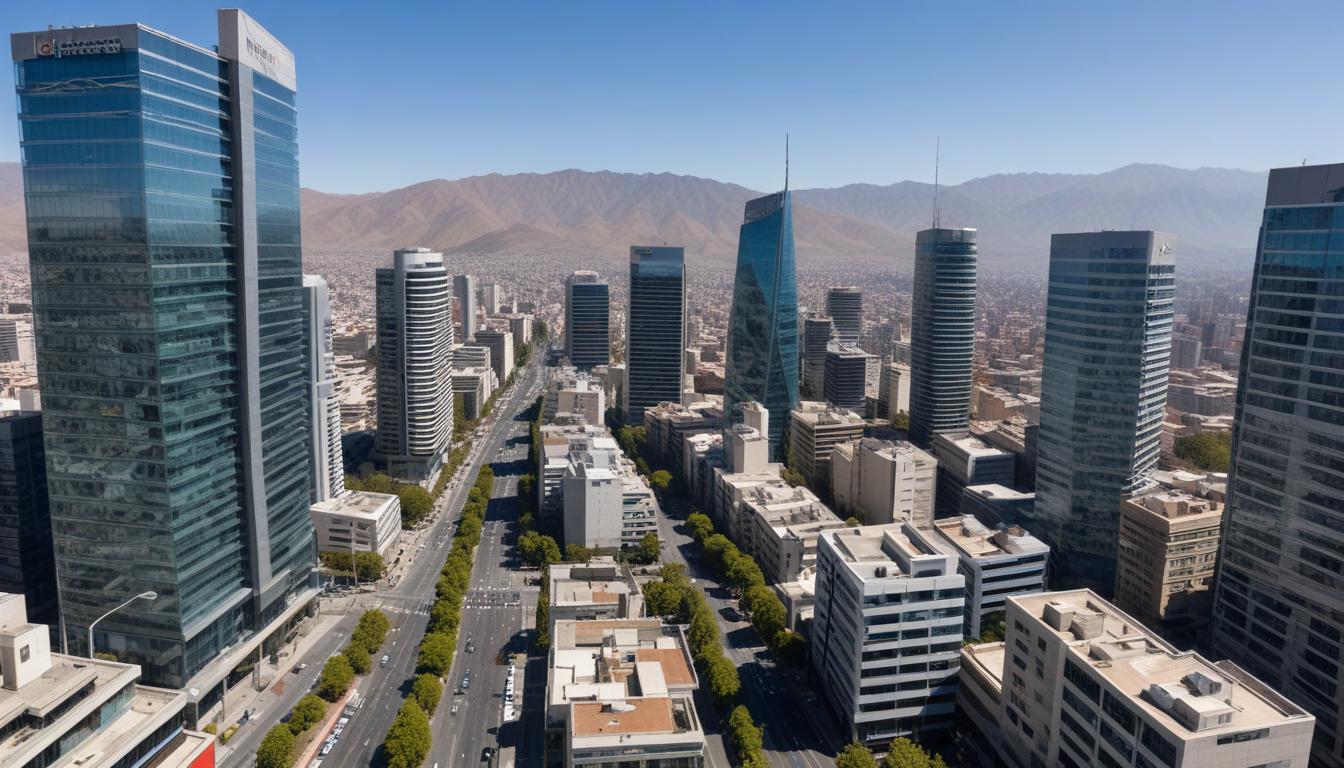
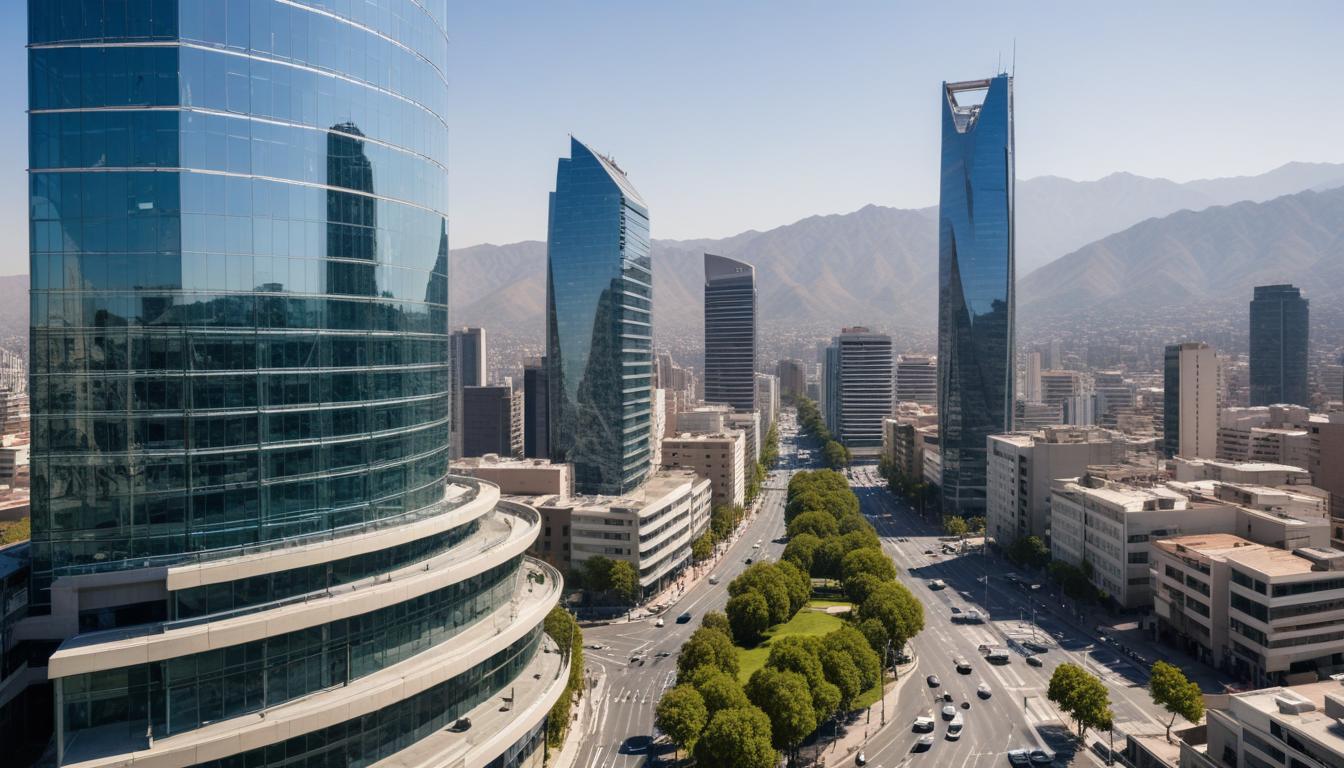
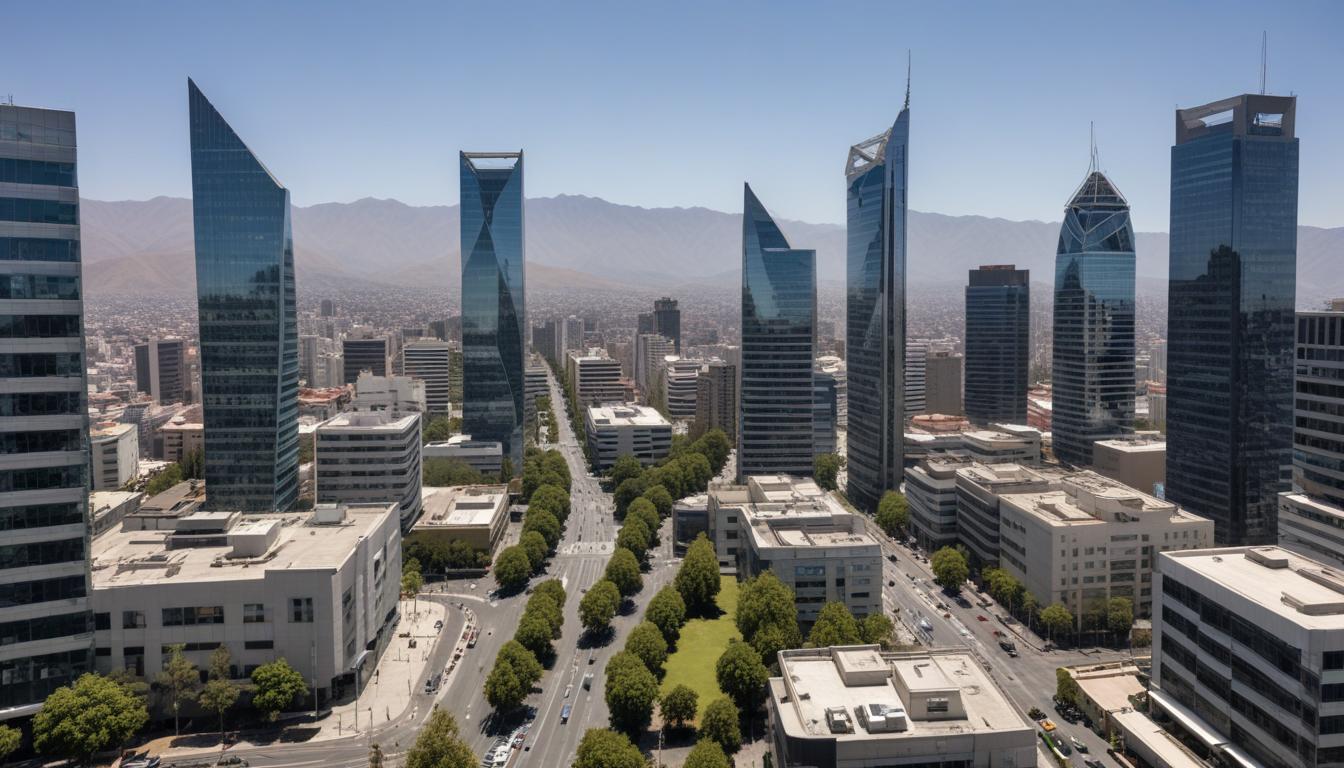
The shift is most visible in Providencia's booming commercial district, where firms specializing in semiconductors, agricultural technology, and renewable energy logistics have opened regional headquarters in the past eighteen months. One indicator: commercial real estate prices on Avenida Andrés Bello have climbed 23 percent since January 2025, according to data from the Santiago Chamber of Commerce. That's double the growth rate seen in comparable neighborhoods just two years ago.
Among those benefiting are established Chilean exporters pivoting toward Asian partnerships. The Lastarria-based mining consultancy sector, traditionally focused on North American clients, is now brokering connections between Asian infrastructure firms and Chilean copper and lithium producers. Similarly, logistics companies operating from the industrial zones near La Florida have reported a surge in freight forwarding contracts for electronics and textiles destined for South American distribution.
"We're seeing money move faster than regulatory frameworks can keep up," notes one observer at the Santiago Chamber of Commerce, though institutional sources remain cautious about openly discussing client names given competitive sensitivities.
The opportunity extends beyond finance. Start-up accelerators in Barrio Lastarria have launched dedicated programs targeting entrepreneurs seeking to establish Asia-Pacific trade networks. Early-stage firms focusing on cross-border digital payments and supply-chain transparency are attracting investor attention—and capital.
Not everyone has benefited equally. Smaller import-export operators without existing Asian networks report feeling left behind as larger corporations consolidate advantages. Yet for established players with capital and connections, the moment feels unmistakable. Global uncertainty abroad has paradoxically created stability at home, making Santiago an increasingly attractive node in reconfigured international commerce.
The question now is whether this wave will sustain beyond 2026, or whether it reflects merely a temporary reallocation of investment risk. For now, however, Santiago's business community is placing its bets on permanence—and the neighborhoods where those bets are concentrated are showing it.
This article was compiled by AI from the sources linked above and screened before publishing. See our editorial standards.
How does this story make you feel?
Spread the word
About this article
Published by The Daily Santiago
Daily brief
Free, in your inbox before 7am. Weekdays.
More in Business