From Street Food to Five-Star Experience: How One Santiago Entrepreneur Built a Tourism Empire
Catalina Morales transformed a modest empanada cart in Lastarria into a hospitality network that's now redefining how visitors experience the city.
Catalina Morales transformed a modest empanada cart in Lastarria into a hospitality network that's now redefining how visitors experience the city.
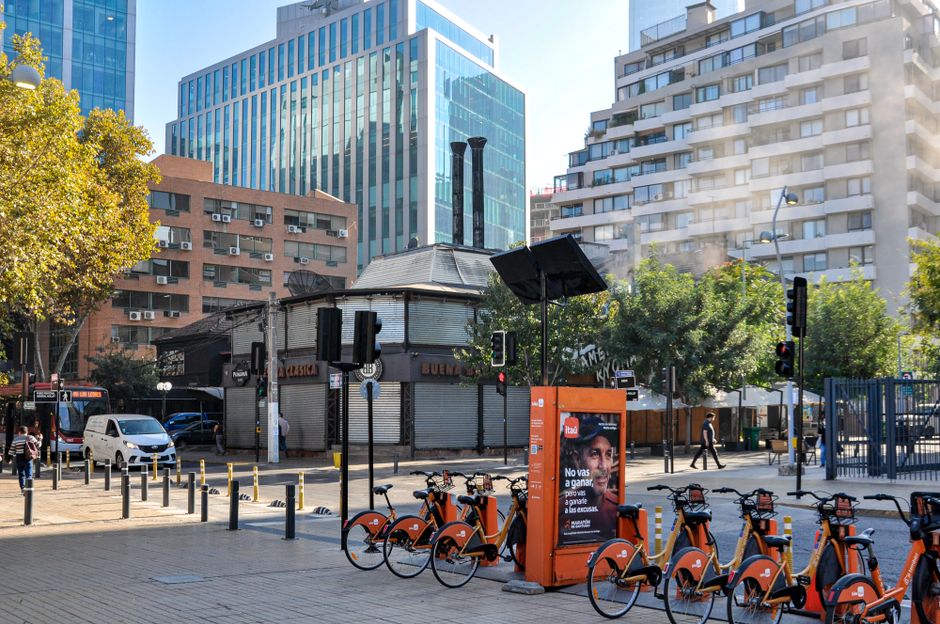
When Catalina Morales first wheeled her empanada cart onto Calle Merced in Lastarria seven years ago, she was simply trying to feed the neighbourhood's growing population of artists and tourists. Today, her enterprise—spanning three restaurants, two boutique hotels, and an acclaimed cooking school—generates an estimated $4.2 million annually and has become a case study in Santiago's thriving visitor economy.
"I wasn't thinking about tourism strategy," Morales reflected recently at her flagship venue, El Origen, a restored colonial property on Calle Lastarria that now hosts over 8,000 visitors monthly. "I was thinking about feeding people well, and making sure they understood why Santiago's food matters."
The statistics back her approach. Santiago welcomed 2.8 million international arrivals last year, with food and beverage experiences accounting for roughly 23 percent of visitor spending, according to the National Tourism Board. Morales has positioned herself squarely in that premium segment—her tasting menus run between $68 and $95 per person, often booked months in advance.
Her expansion accelerated after opening Casa Lastarria, a 12-room hotel embedded within the neighbourhood's gallery district, in 2023. The property combines restored 19th-century architecture with contemporary design and achieved 84 percent occupancy within its first year—well above the city's 71 percent average. A second property, Residencia Bellavista, opened this January in the bohemian hillside neighbourhood, adding eight suites designed to appeal to longer-staying cultural tourists.
What distinguishes Morales's operation is her insistence on hyperlocal sourcing and workforce development. Her cooking school, Cocina Santiago, trains approximately 120 students annually—many from working-class neighbourhoods—in both traditional Chilean cuisine and hospitality management. The school operates at partial subsidy, with graduates often employed within her own businesses or placed with partner establishments across the city.
Industry observers note her model arrives at a pivotal moment. Santiago's tourism sector faces pressure to diversify beyond wine-region day trips and ski packages. Morales's integrated approach—combining accommodation, dining, education, and cultural immersion—offers a template for how mid-sized entrepreneurs can capture high-value, repeat visitors.
Her next project, announced last month, involves a 25-room property in Barrio Italia focused on design-conscious millennials and Gen Z travellers. Construction begins in September.
"Catalina understood something fundamental," said Dr. Rodrigo Aravena, tourism economist at Universidad de Chile. "Visitors don't want to consume the city. They want to be part of it."
This article was compiled by AI from the sources linked above and screened before publishing. See our editorial standards.
How does this story make you feel?
Spread the word
About this article
Published by The Daily Santiago
Daily brief
Free, in your inbox before 7am. Weekdays.
More in Business