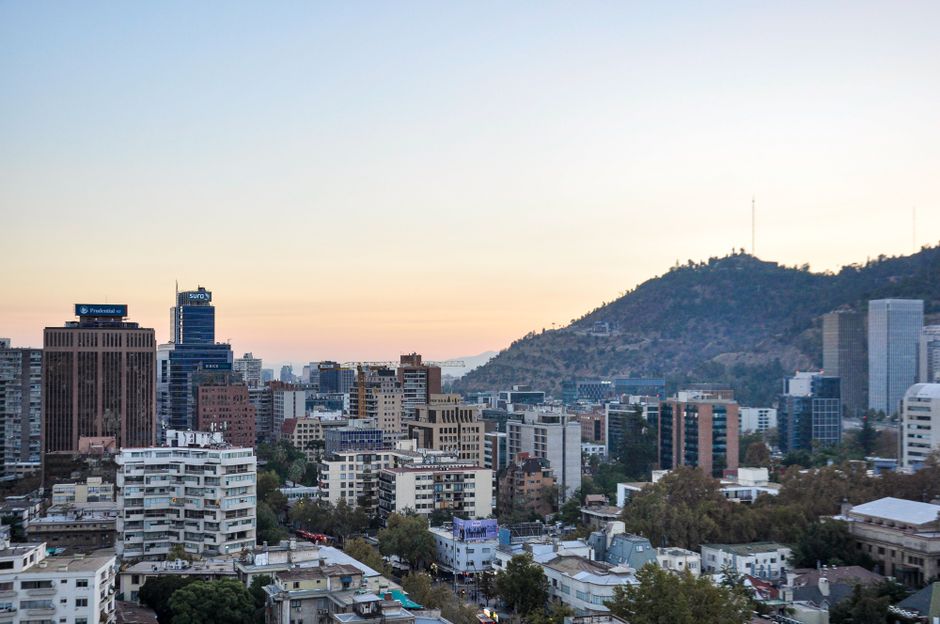
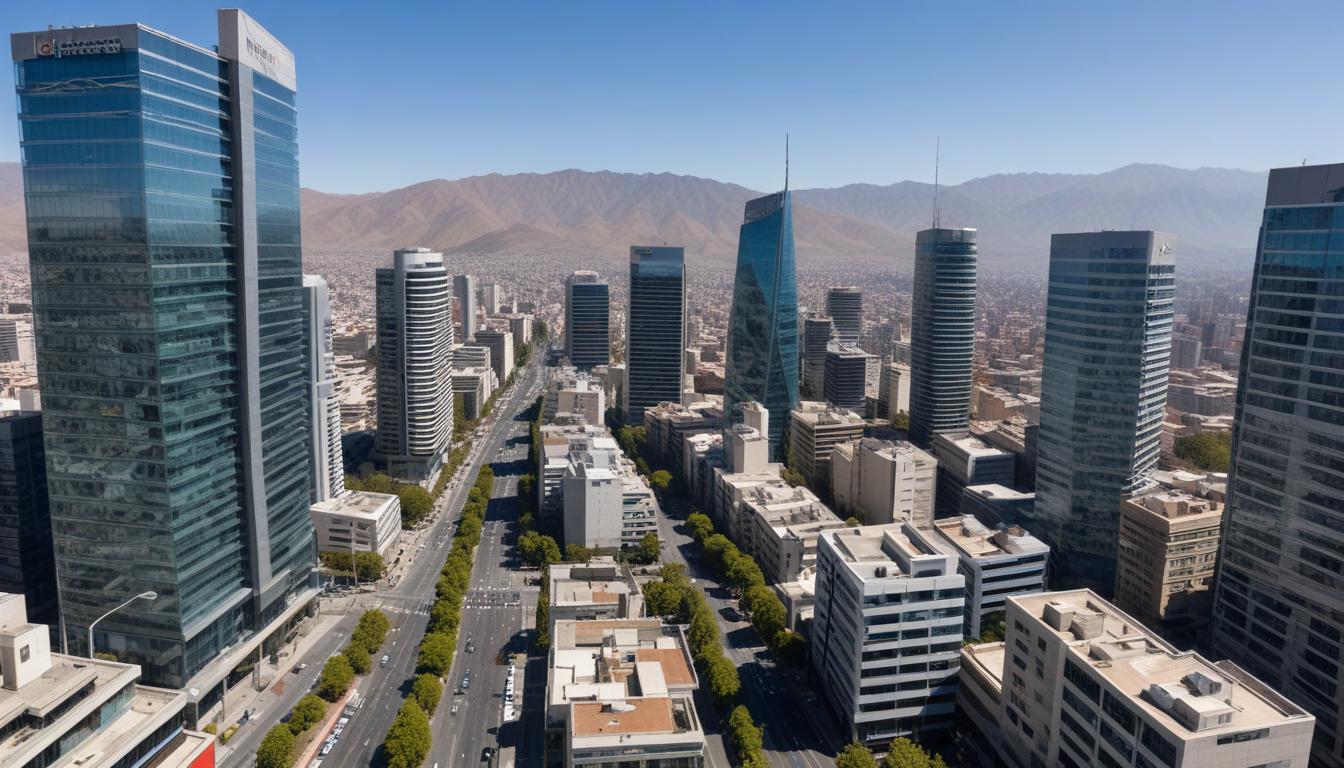
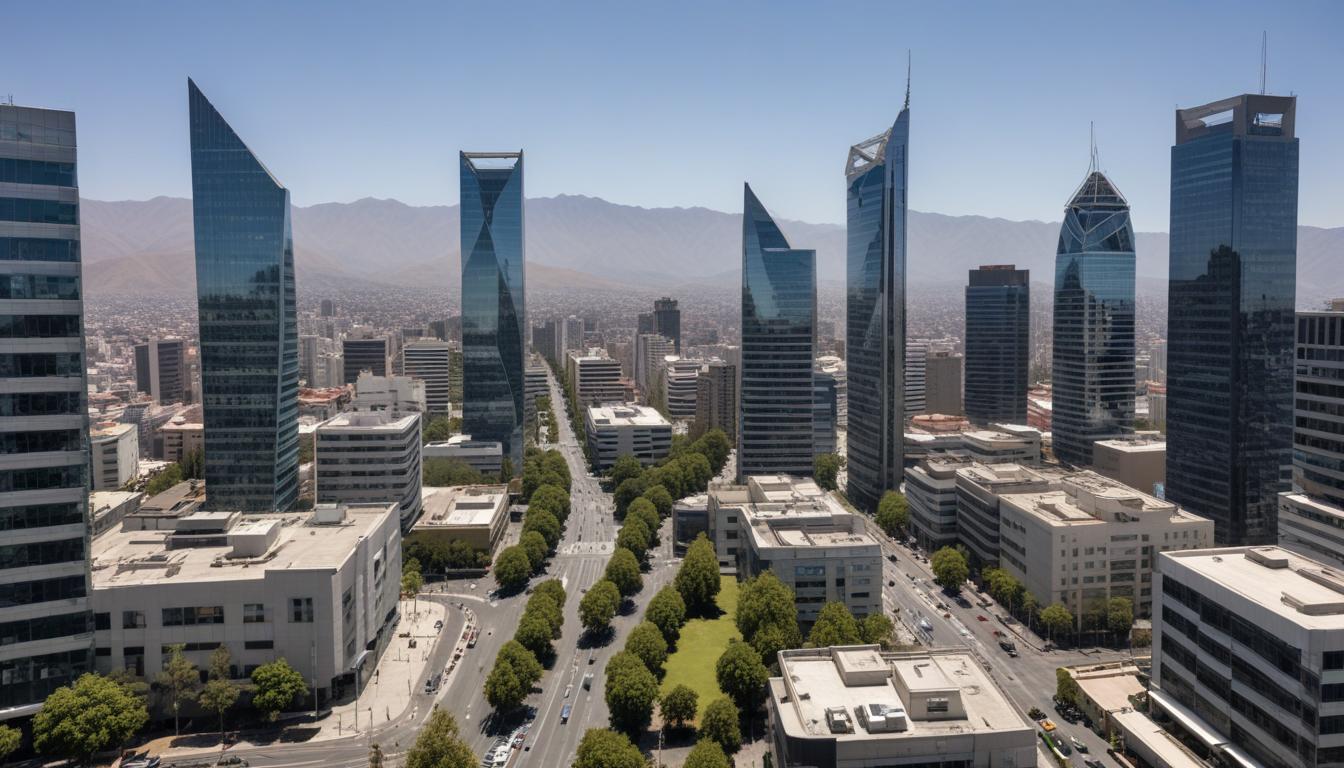
Santiago's tourism sector is experiencing unprecedented growth, with visitor arrivals up 34 percent year-over-year through the first half of 2026. But beneath the headline numbers lies a profound shift in how the city's labour market operates—one that's reshaping career trajectories, wage expectations, and employer strategies across multiple industries.
Hotels, restaurants, and tour operators clustered around Plaza de Armas and the Lastarria neighbourhood are aggressively recruiting, offering entry-level hospitality positions at 890,000–950,000 Chilean pesos monthly, a 22 percent jump from 2024 rates. Premium establishments along Avenida Providencia and in the booming Bellavista district are pushing even higher for experienced staff.
"We're seeing young Chileans who might have previously considered hospitality a temporary job now treating it as a serious career path," says a spokesperson for the Santiago Chamber of Tourism, which has tracked the shift. The sector now employs approximately 47,000 people directly in the metropolitan area, with indirect jobs bringing that figure above 120,000.
The pressure extends beyond hotels. Restaurants, museums, and cultural venues—from the Museo Chileno de Arte Precolombino to independent cafés in Ñuñoa—are competing for multilingual staff, offering training programmes in English and Mandarin. Premium restaurants on Lastarria are now recruiting sommelier and pastry chef positions that previously would have attracted only Europe-trained talent; now they're developing local pipelines.
But this prosperity comes with trade-offs. Manufacturing and logistics firms in Santiago's industrial zones report difficulty retaining mid-level talent, with younger workers gravitating toward tourism's visible career pathways and better work-life balance perceptions. One human resources director at a major distribution company noted that losing experienced supervisors to hotel management roles has become a recurring problem.
Universities and vocational institutes are responding. Instituto DUOC UC and SENCE have launched expanded hospitality management and event coordination programmes, with enrolment up 41 percent. Yet employers report a persistent skills gap—particularly in guest experience management and crisis handling—suggesting that supply still lags demand.
Property developers are also capitalising on the trend. New hotel projects in Vitacura and near the airport have spurred residential construction, creating secondary demand for workers in construction and services. Real estate agents report that younger professionals in hospitality roles are now first-time homebuyers.
As Santiago consolidates its position as a South American tourism hub, the city's talent market is becoming increasingly bifurcated: competitive, lucrative opportunities in tourism and hospitality, but growing labour shortages in sectors unable to match those wages.
This article was compiled by AI from the sources linked above and screened before publishing. See our editorial standards.