Santiago's Trade Sector Faces Perfect Storm as Global Headwinds Intensify in 2026
Port congestion, geopolitical tensions, and currency volatility are testing the resilience of the city's export-dependent businesses.
Port congestion, geopolitical tensions, and currency volatility are testing the resilience of the city's export-dependent businesses.
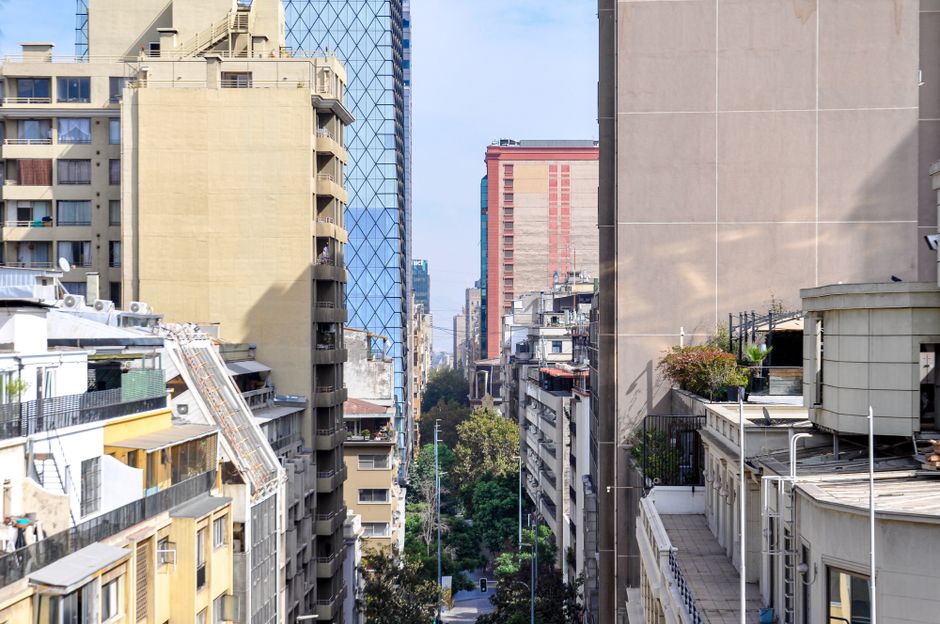
The trading floors of Lastarria and the freight corridors connecting Puerto de Santiago to the broader Pacific network are facing unprecedented pressure as 2026 unfolds. What began as cautious optimism in January has curdled into genuine concern among logistics executives, export manufacturers, and international traders who depend on smooth cross-border operations.
Port delays have emerged as the most immediate crisis. Container dwell times at Puerto de Santiago have stretched to 8.2 days—up from a five-year average of 4.1 days—creating bottlenecks that ripple through supply chains. A spokesperson for the Santiago Chamber of Commerce noted that demurrage costs have risen 34% year-to-date, eating directly into margins for mid-sized exporters concentrated around the industrial zones of Maipú and Quinta Normal.
Geopolitical volatility compounds the problem. Recent tensions in the Middle East and Pakistan-Afghanistan border clashes have disrupted shipping routes and insurance premiums, while ongoing uncertainty around U.S.-Iran negotiations creates unpredictability for any business with Middle Eastern exposure. For Santiago's wine and agricultural exporters—traditionally the backbone of regional commerce—alternative routing adds weeks to delivery timelines and thousands of dollars in additional costs.
Currency instability presents a third headwind. The local peso has experienced 12% volatility against the dollar in the past six months, making forward contracts expensive and deterring smaller traders from locking in prices. Foreign exchange hedging costs have doubled, according to trading desk data from financial institutions along Avenida Apoquindo.
The refugee crisis unfolding in Venezuela and the humanitarian emergencies across the Democratic Republic of Congo have also diverted global attention and capital from routine trade flows. Insurance underwriters are reassessing risk profiles, and banking partners are tightening working capital facilities for businesses with exposure to unstable regions.
Some sectors show adaptation. Digital freight platforms based in Santiago's tech quarter near Providencia report 18% growth in customers seeking real-time visibility into shipments as traditional logistics become less predictable. However, this innovation largely benefits larger enterprises with capital to invest in new systems.
The Santiago Export Association has called for government intervention on port efficiency and currency stabilization measures. Without relief, they warn, smaller and mid-market traders could face consolidation or relocation to competing hubs in the region.
For now, the city's trade infrastructure remains functional but stressed—a precarious position as the second half of 2026 approaches with little clarity on when these headwinds might ease.
This article was compiled by AI from the sources linked above and screened before publishing. See our editorial standards.
How does this story make you feel?
Spread the word
About this article
Published by The Daily Santiago
Daily brief
Free, in your inbox before 7am. Weekdays.
More in Business