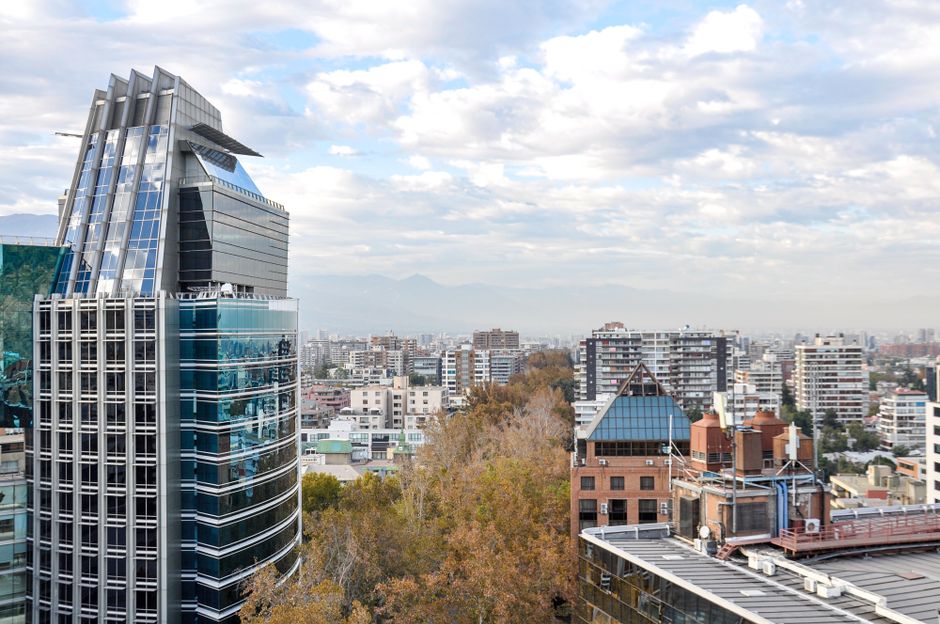
Walk through the Barrio Brasil neighbourhood on any Saturday morning, and you'll see Santiago residents doing what they do best: hunting for deals at the Vega Central market, browsing electronics at the tech shops along Bandera, or grabbing imported goods at neighbourhood supermarkets. But the prices they're paying today may look like bargains in six months.
The reason? A deepening trade war between the world's largest economies is reshaping global supply chains, and Santiago—a crucial hub for South American imports and exports—sits right in the crosshairs. While political leaders negotiate in distant capitals, the real impact will be felt at the checkout counter of your local jumbo or Walmart, in the price tags at the shopping centres along Avenida Apoquindo, and in the cost of goods flowing through the Port of San Antonio.
Here's what's changing: Tariffs imposed by major trading blocs are making it more expensive for Chilean importers to source goods from traditional suppliers. A smartphone that cost 800,000 pesos six months ago may jump 15-20 percent by year's end. Imported clothing, already subject to various duties, could rise another 8-12 percent. Even agricultural exports—Chile's lifeblood, with wine and fruit shipments valued at billions—face new barriers in key markets, potentially squeezing jobs across the Maipo Valley and beyond.
The Chilean government has been actively seeking bilateral trade agreements to cushion the blow, but negotiating takes time. Meanwhile, shipping costs remain elevated, container availability is unpredictable, and insurers are nervous about geopolitical risk. All of this gets passed to consumers.
What should Santiago residents actually do? First, understand that price increases aren't random—they're driven by decisions made thousands of kilometres away in trade negotiations. Second, watch for shrinkflation (smaller portions at similar prices) in packaged goods before you see outright price jumps. Third, if you're planning major purchases—electronics, appliances, imported furniture—the next few months may offer better value than waiting.
For workers in import-dependent sectors, the picture is murkier. Job security in retail, logistics, and distribution could tighten if consumer demand drops due to higher prices. Local producers, however, may find new opportunities as imported goods become pricier.
Santiago's economy has long thrived on its role as a gateway between the Pacific and the global market. But that same connectivity means local residents are vulnerable to decisions made elsewhere. By understanding these trade dynamics, you're better equipped to navigate the changes ahead.
This article was compiled by AI from the sources linked above and screened before publishing. See our editorial standards.