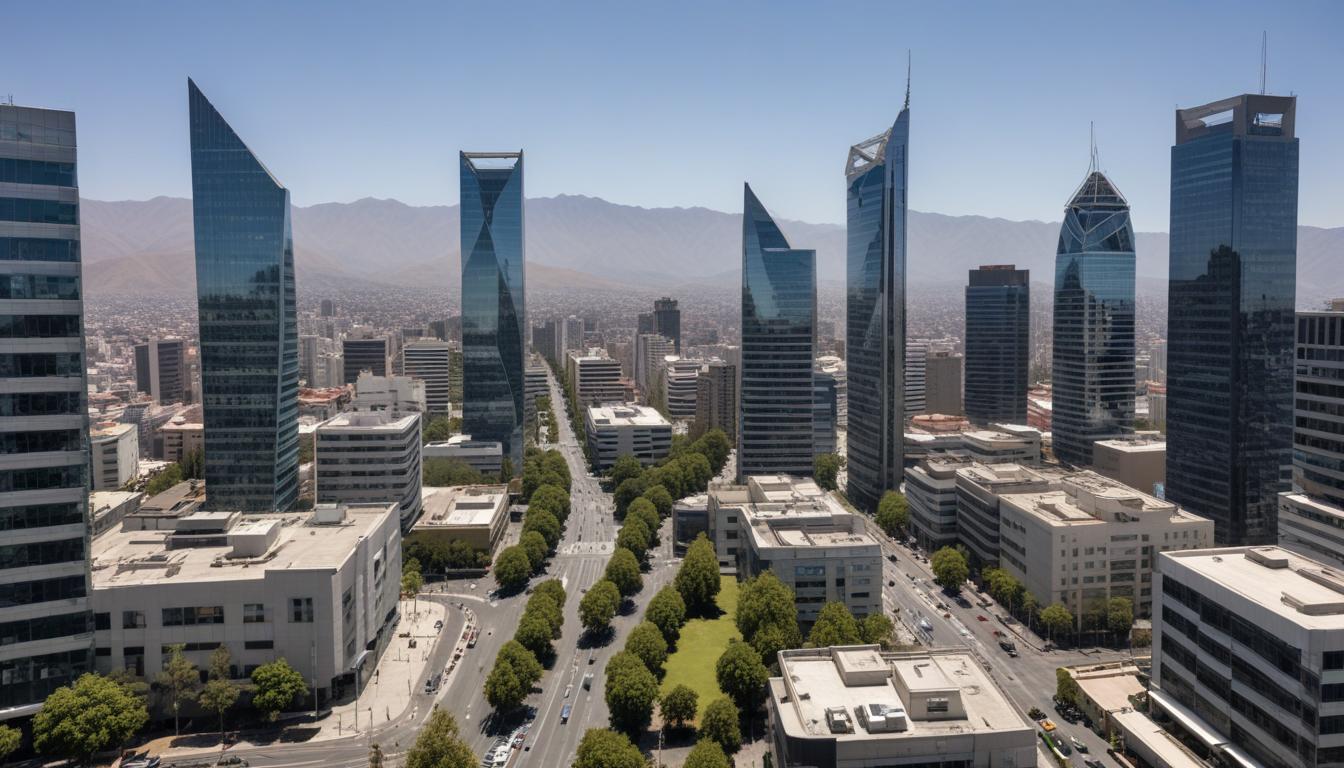
The gleaming coworking spaces of Santiago's innovation district—once humming with the energy of ambitious entrepreneurs and venture capitalists—have grown noticeably quieter this year. Walk through the converted colonial buildings along Lastarria or the modern tech hubs clustered in Providencia's eastern reaches, and you'll find fewer packed networking events, fewer overflowing pitch competitions, and fewer reasons for optimism among founders who bet their futures on Chile's startup boom.
The contraction is real. Early-stage funding in the Santiago ecosystem has contracted by approximately 34% year-over-year through the first half of 2026, according to regional venture data aggregators. Latin America's broader venture crisis—exacerbated by tightened U.S. lending conditions and volatile emerging market currencies—has hit Santiago particularly hard. What once felt like an inevitable rise to regional tech prominence now feels precarious.
"The money simply isn't there," explains one Lastarria-based founder who requested anonymity. Several promising Series A rounds have stalled indefinitely. Corporativo offices in Las Condes, which housed regional headquarters for international VC firms, have witnessed visible downsizing. Colliers reports office vacancy rates in premium tech districts have climbed to 18%, up from 12% two years ago.
But funding scarcity tells only half the story. Santiago's startup ecosystem faces an equally vexing talent hemorrhage. Skilled engineers, product managers, and designers are leaving for remote roles with San Francisco and Toronto firms, or emigrating entirely. Universidad de Chile and Pontificia Universidad Católica—the traditional pipeline for tech talent—report declining enrollments in computer science programs, with many top students pursuing careers abroad or in more stable sectors.
Operating costs compound the pain. Commercial rent in Providencia's premium zones has nearly doubled since 2022, pricing out smaller teams. A modest 200-square-meter office space now commands 8,000-12,000 USD monthly. Utilities, high-speed internet, and regulatory compliance have become increasingly onerous.
The ecosystem's infrastructure—once a genuine competitive advantage—shows cracks too. Startup Chile, the government incubator that launched hundreds of ventures, has faced budget cuts. Mentorship networks have thinned. Large tech companies like Google and Microsoft have quietly reduced their Santiago innovation labs to skeleton crews.
Yet not everyone is pessimistic. Several deep-tech and fintech founders argue this contraction will ultimately strengthen the ecosystem by eliminating hype-driven ventures and forcing genuine focus on sustainable business models. Still, with regional competition intensifying—Bogotá and Mexico City are aggressively courting Santiago talent—the city's window to consolidate its position as Latin America's innovation capital is rapidly closing.
This article was compiled by AI from the sources linked above and screened before publishing. See our editorial standards.