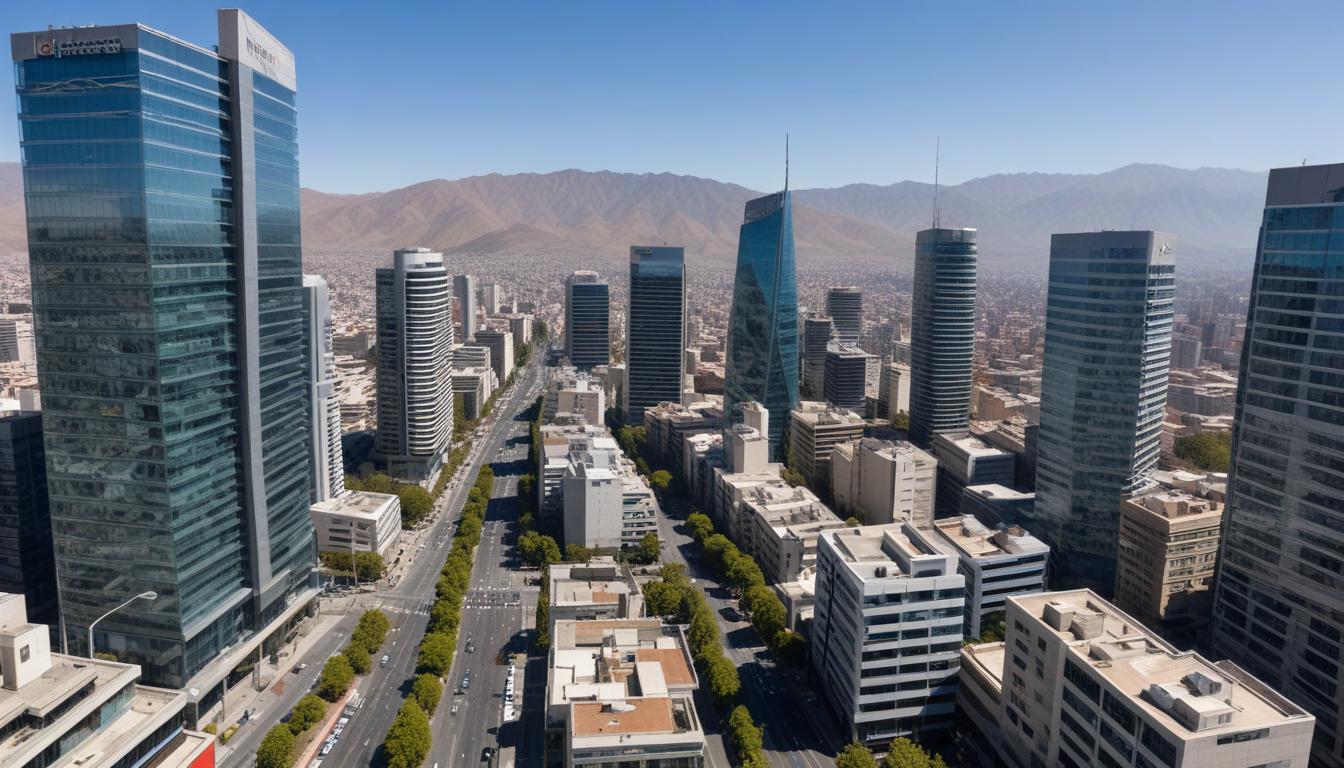
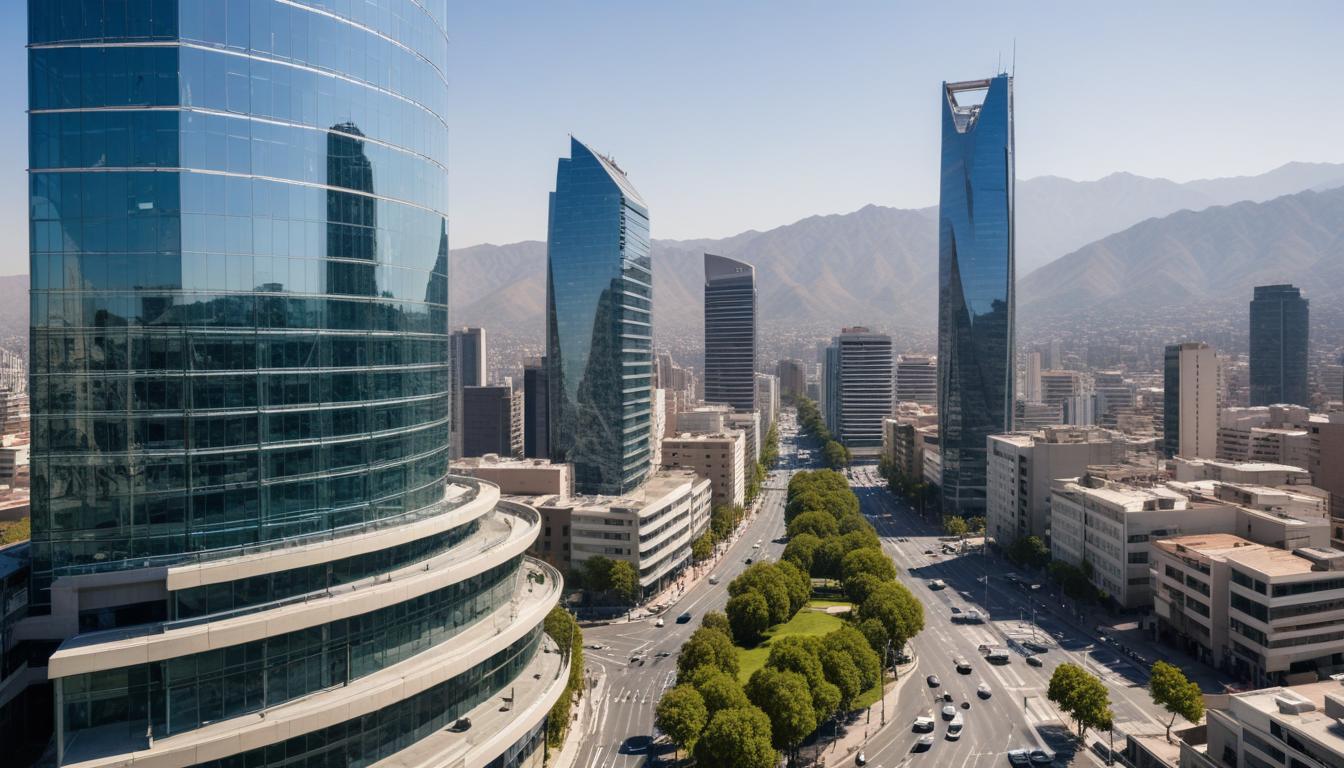
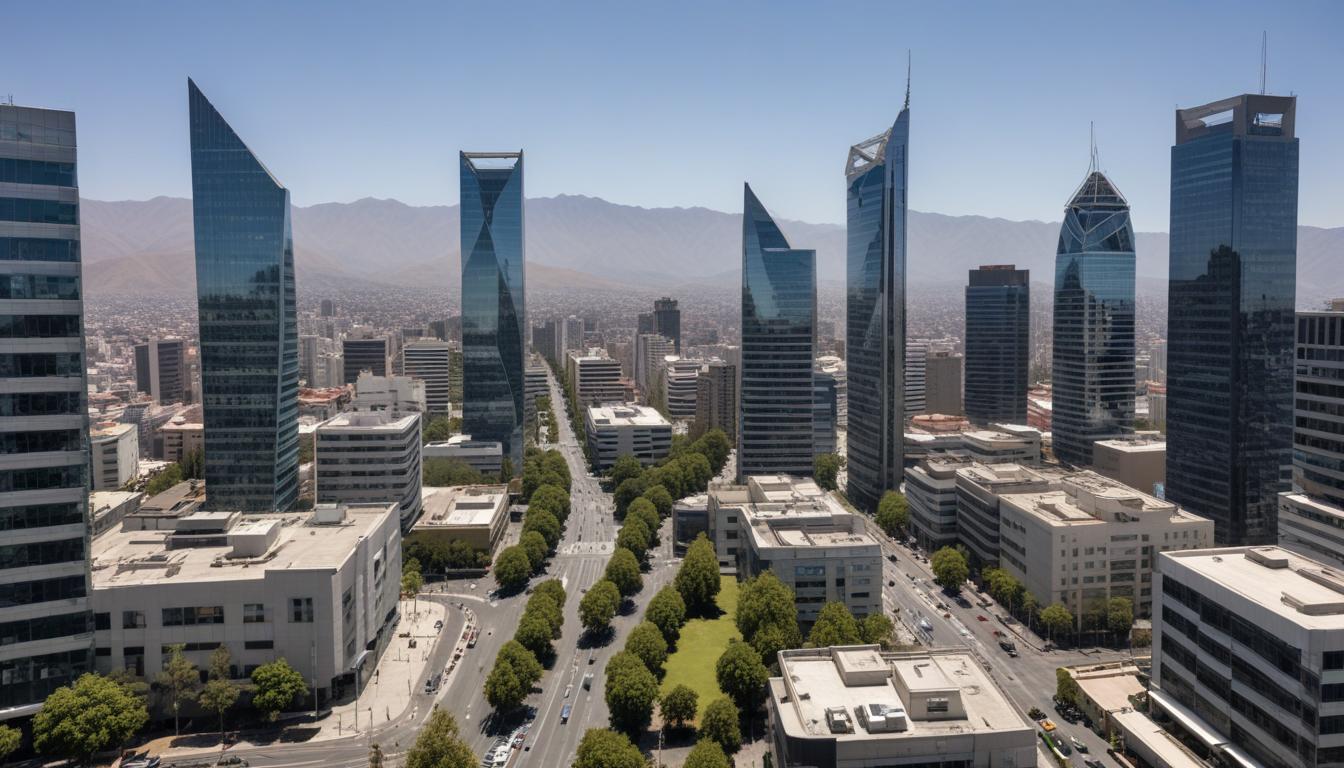
Walk down Avenida Providencia on any given morning and you'll see Santiago residents queuing for their café americano, checking their smartphones, and heading to offices in gleaming towers. What many don't realise is that each of these everyday moments is shaped by invisible threads of global trade—threads that are fraying in ways that will directly affect their purchasing power and job security.
The trade landscape has shifted dramatically in recent months. Shipping containers that once moved predictably between Asian ports and Chilean shores now face delays and route changes. Container costs have spiked 40 percent since early 2026, according to shipping analysts tracking Pacific routes. For Santiago consumers, this translates to higher prices at supermarkets in Ñuñoa and Vitacura, where imported goods dominate shelves.
Consider the technology sector. Electronics retailers clustered around Paseo Ahumada have already begun adjusting inventory strategies. Smartphone prices, which had stabilised around 800,000–1,200,000 pesos for mid-range models, are now climbing as tariff uncertainties reshape supply agreements. Young professionals seeking upgrades should expect to pay 5–10 percent more by August.
The coffee industry tells another story. While Santiago's specialty coffee culture—thriving in neighbourhoods like Lastarria and around the Mercado Central—depends partly on local roasters, the green beans themselves travel thousands of kilometres. Currency fluctuations and new trade agreements have pushed wholesale prices up 15 percent. This won't devastate a city where café culture is ingrained, but independent café owners are absorbing costs rather than immediately raising prices, squeezing their margins.
Real estate and construction represent Santiago's largest trade-exposed sector. Building materials—steel, cement additives, industrial components—flow through Valparaíso's port before reaching major projects across the city. Development timelines are extending, and project costs are rising. Renters and homebuyers should anticipate that residential property prices and rents will continue climbing as construction budgets expand.
What should Santiago residents actually do? First, understand that trade volatility is here to stay. Second, avoid panic purchasing—prices won't spike overnight, but they will drift upward. Third, if you're considering major purchases—appliances, vehicles, tech—the next 60 days offer relatively better terms than later in the year. Finally, watch employment in trade-sensitive sectors like retail, logistics, and construction; these industries often lead broader economic shifts.
Global commerce isn't abstract. It shapes what we pay at the Jumbo on Las Condes, how much we earn, and whether our neighbourhoods grow or stagnate. Being informed means being prepared.
This article was compiled by AI from the sources linked above and screened before publishing. See our editorial standards.