Santiago's Tourism Boom Shifts: What Hospitality Businesses Must Know Right Now
As visitor patterns reshape and spending habits change, the city's hotels, restaurants and attractions face a critical moment to adapt or lose market share.
As visitor patterns reshape and spending habits change, the city's hotels, restaurants and attractions face a critical moment to adapt or lose market share.
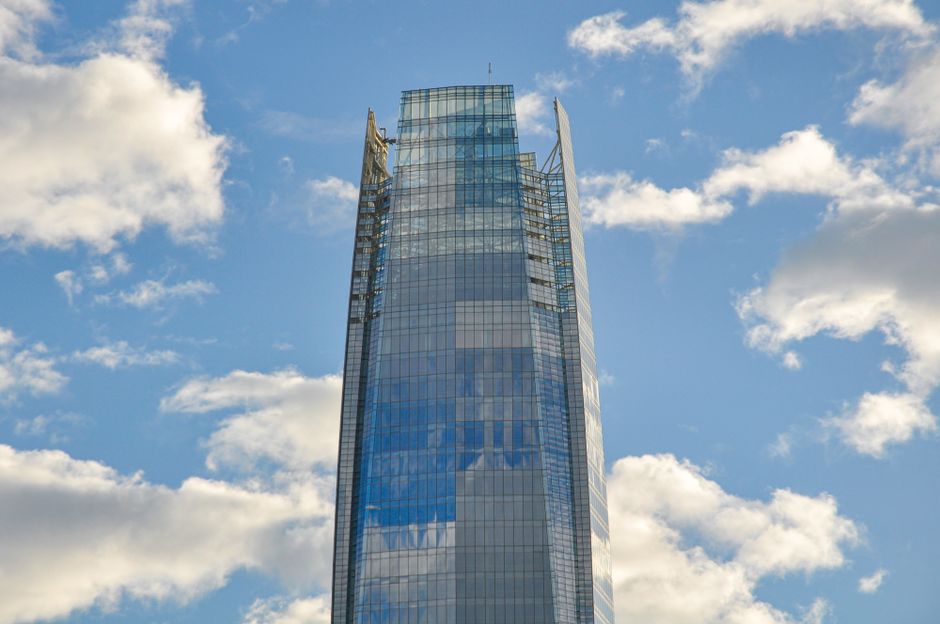
Santiago's tourism sector is experiencing a profound realignment. After three years of steady recovery from pandemic lows, visitor numbers have stabilized at roughly 2.8 million annual arrivals—but the composition of those travelers and their spending patterns have shifted dramatically, creating both opportunity and risk for businesses across the city's hospitality landscape.
The data tells a clear story: while overall visitor volumes remain healthy, average per-diem spending has contracted by approximately 12% compared to 2024 figures. Mid-range travelers now dominate the market, squeezing margins for luxury operators while creating intense competition in the budget and accessible-luxury segments. Hotels clustered around Lastarria and the Bellas Artes precinct report occupancy rates hovering near 68%—respectable, but down from the 76% peaks of two years ago.
"The traveler arriving at Santiago International Airport today is fundamentally different," explains the outlook from Chile's National Tourism Board. Younger visitors (ages 25-40) now represent 54% of arrivals, many prioritizing experiences over accommodation prestige. This has driven explosive growth in neighborhood-based tourism: boutique operators in Ñuñoa and Providencia report 18% year-on-year increases in bookings, while traditional downtown hotel corridors face headwinds.
The restaurant and bar sector faces particular pressure. Fine dining establishments along Apoquindo and within the Lastarria cultural zone report that walk-in traffic has declined, with reservations increasingly concentrated on weekends. Conversely, casual dining concepts and food-hall style venues are thriving, suggesting visitors seek authenticity and value over formality.
Tech adoption has become non-negotiable. Businesses without streamlined online booking systems, multilingual websites, and social media engagement are losing market position to agile competitors. The rise of alternative accommodation platforms has also chipped away at traditional hotel revenues—short-term rental supply in Santiago has grown 34% in eighteen months.
Sustainability credentials increasingly influence visitor choice. Tour operators offering carbon-neutral excursions to the Andes and eco-conscious city tours report premium pricing power, while conventional operators struggle with younger demographics' environmental expectations.
For businesses planning investment, the message is clear: generic hospitality offerings face margin compression. Success belongs to operators who embrace hyper-localization, technological sophistication, and alignment with visitor values around authenticity and sustainability. The Santiago tourism market remains substantial, but the window for adaptation is narrowing rapidly.
This article was compiled by AI from the sources linked above and screened before publishing. See our editorial standards.
How does this story make you feel?
Spread the word
About this article
Published by The Daily Santiago
Daily brief
Free, in your inbox before 7am. Weekdays.
More in Business