Santiago's commercial property market is displaying the kind of complexity that keeps investors awake at night. While headline figures suggest resilience, the underlying data tells a more nuanced story about where money is actually flowing and what it means for the city's economic future.
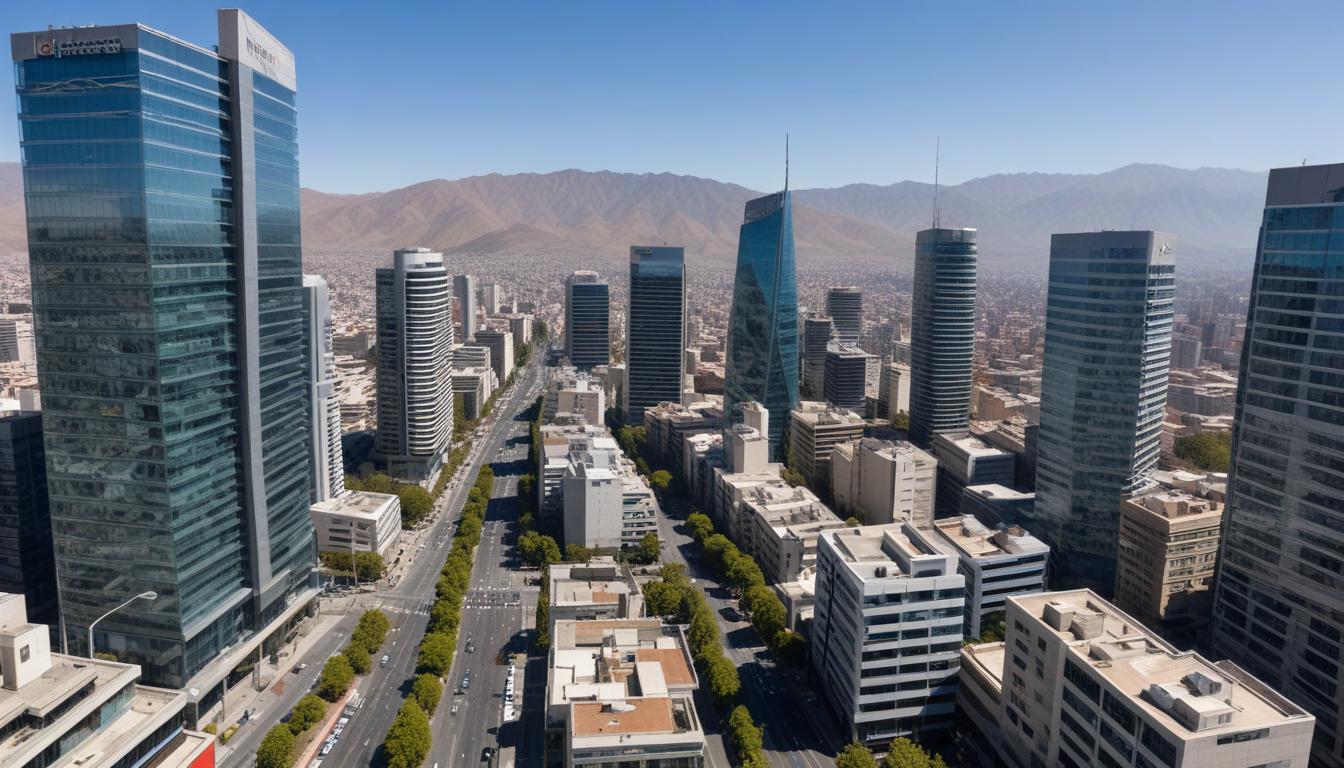
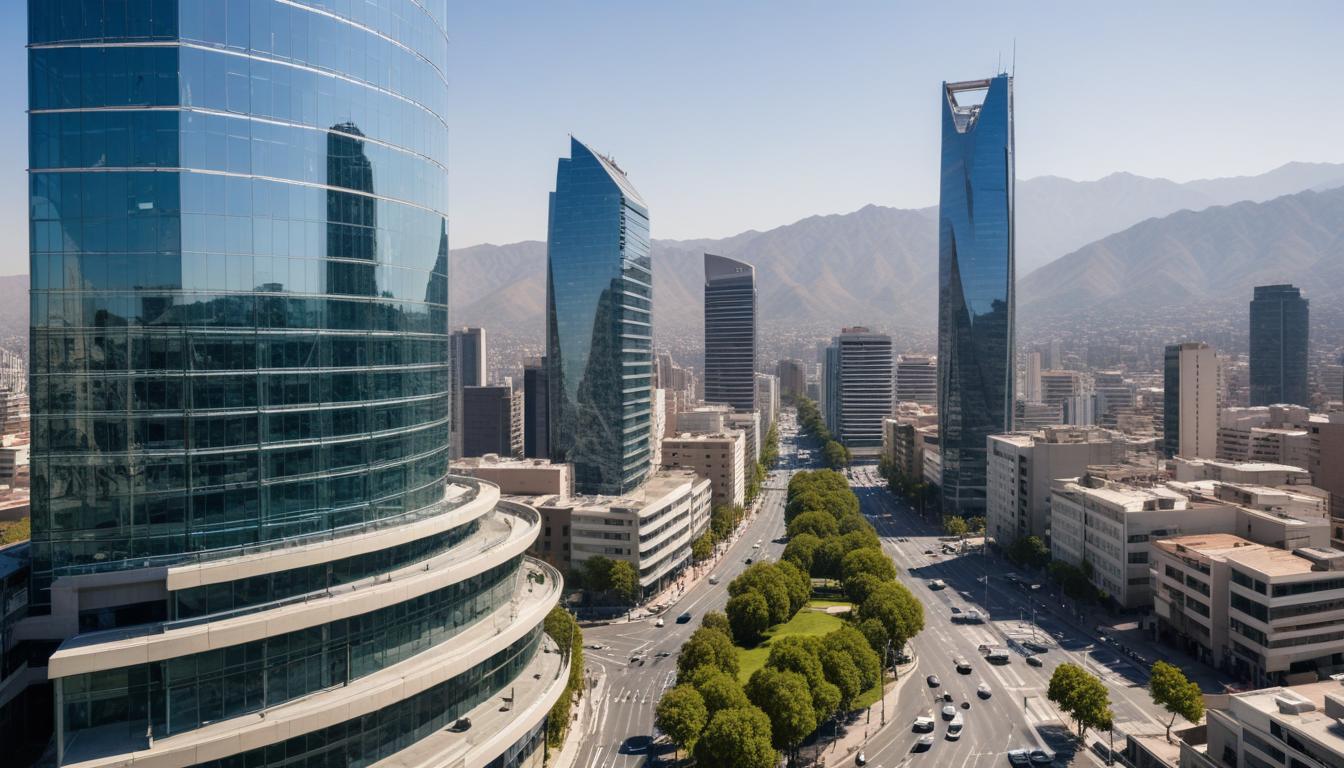
The most telling indicator comes from the Providencia and Las Condes corridor, historically Santiago's premier office address. Average asking rents on Avenida Apoquindo have stabilised at around 18–22 USD per square metre monthly, a modest decline from 2024's peak. Yet vacancy rates in premium towers here hover near 12–14%, up from single digits just three years ago. That divergence matters: it signals landlords are holding firm on prices despite softer demand, suggesting they're waiting for the market to turn rather than adjusting aggressively downward.
Capital flows tell the real story. During the first half of 2026, institutional investors—pension funds, REITs, and foreign capital—deployed approximately 285 million USD across Santiago's commercial sector, according to transactions tracked by local property analysts. That represents a 23% decline compared to the same period in 2025. Where is that capital going instead? Increasingly toward mixed-use developments and flexible workspace in secondary locations like Ñuñoa and Macul, where younger companies and startups are clustering around lower-cost, amenity-rich environments.
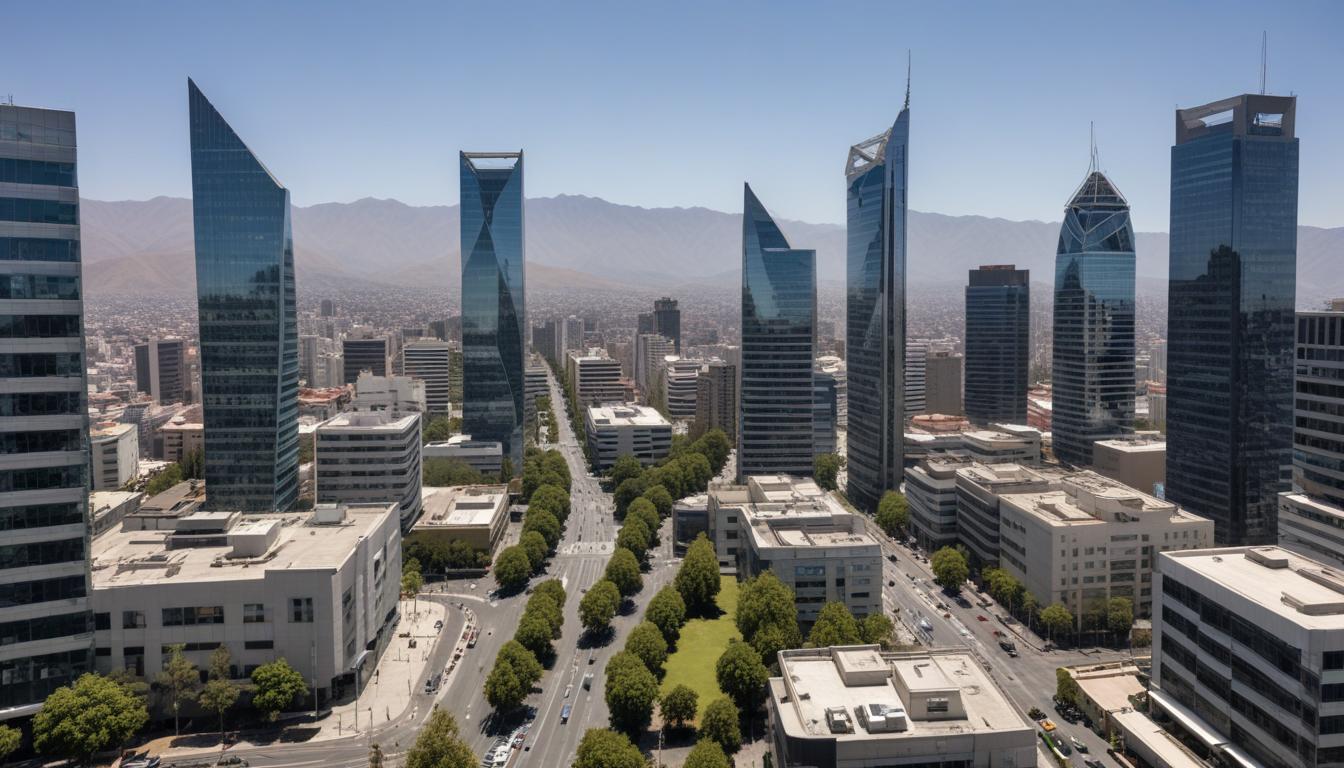
The Plaza Italia neighbourhood exemplifies this shift. Once considered ancillary to the traditional CBD, it's now attracting mid-market tenants and co-working operators. New supply in the area—roughly 45,000 square metres of Grade-A space completed in the past 18 months—is leasing at 12–15 USD per square metre, undercutting Providencia by 30–40% while capturing companies downsizing or relocating to reduce costs.
What's driving this reallocation? Several factors intersect. Rising interest rates have compressed cap rates, making income-generating assets less attractive to leveraged buyers. Simultaneously, post-pandemic work patterns have accelerated: tenants want smaller overall footprints with better common areas rather than sprawling, individual office space. Tech and services firms—sectors that historically anchored Las Condes—are either consolidating or migrating to lower-cost suburbs with better access to residential talent pools.
For Santiago's broader economy, the message is clear: the office market correction is still in early innings. Expect continued pressure on Class-A rents and further capital migration toward mixed-use and secondary assets through 2027. The city's commercial core remains fundamentally sound, but investors betting on a simple recovery to 2023 conditions may find themselves waiting considerably longer.
This article was compiled by AI from the sources linked above and screened before publishing. See our editorial standards.