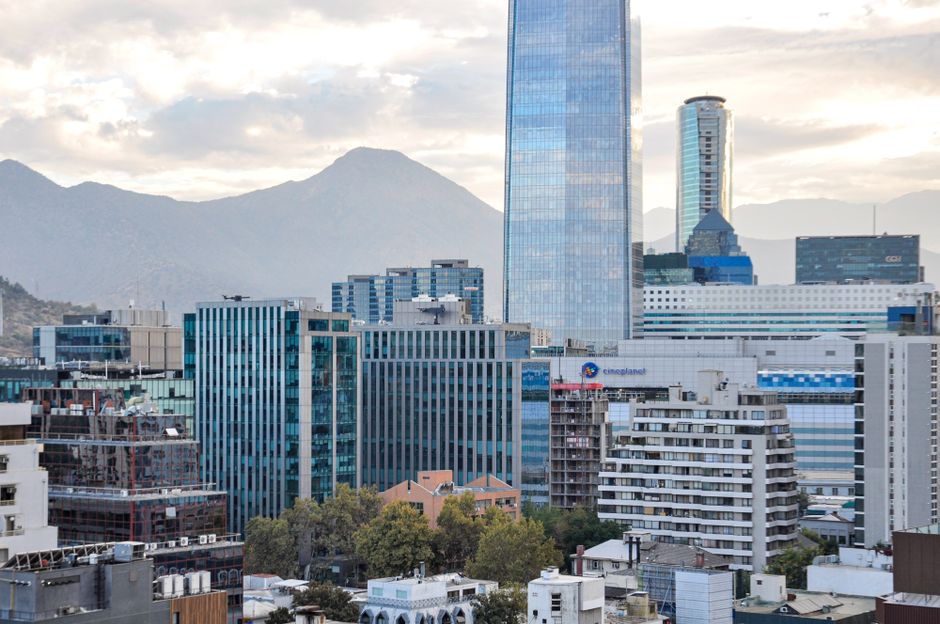
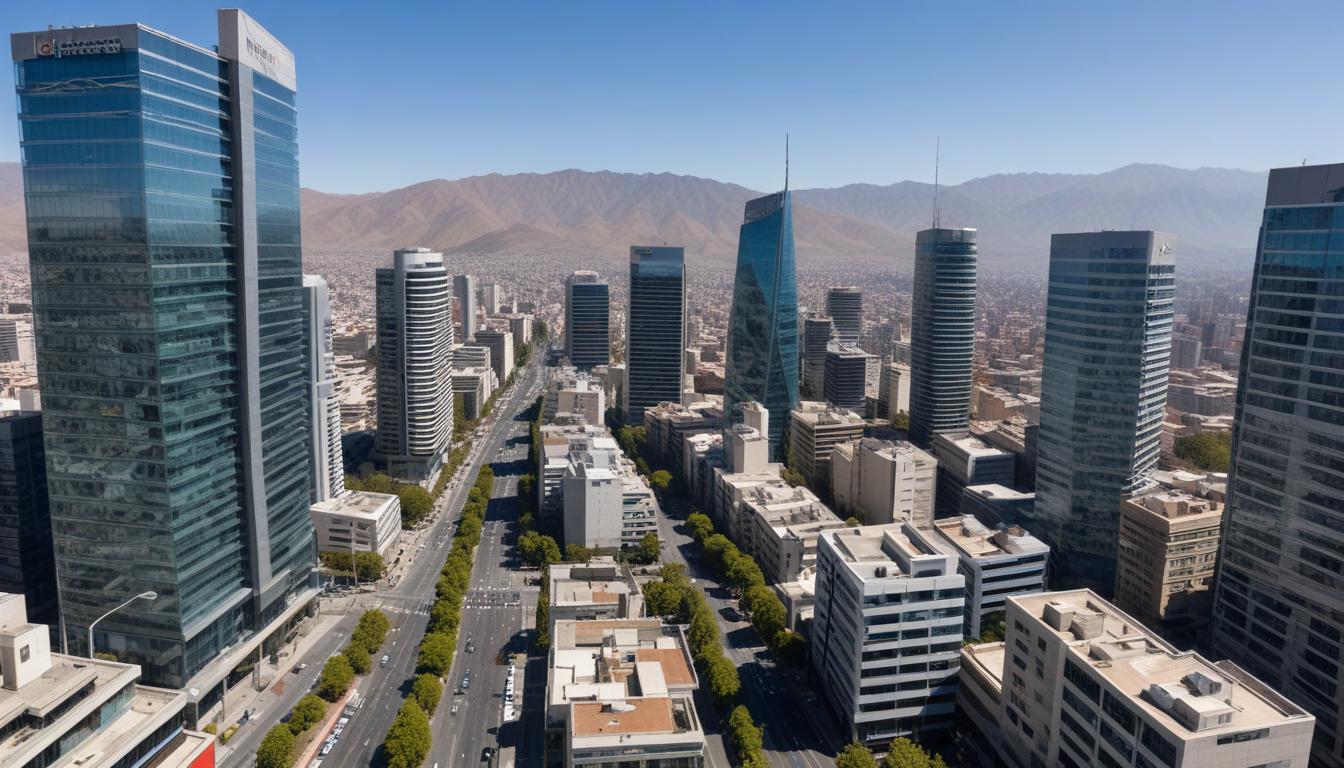
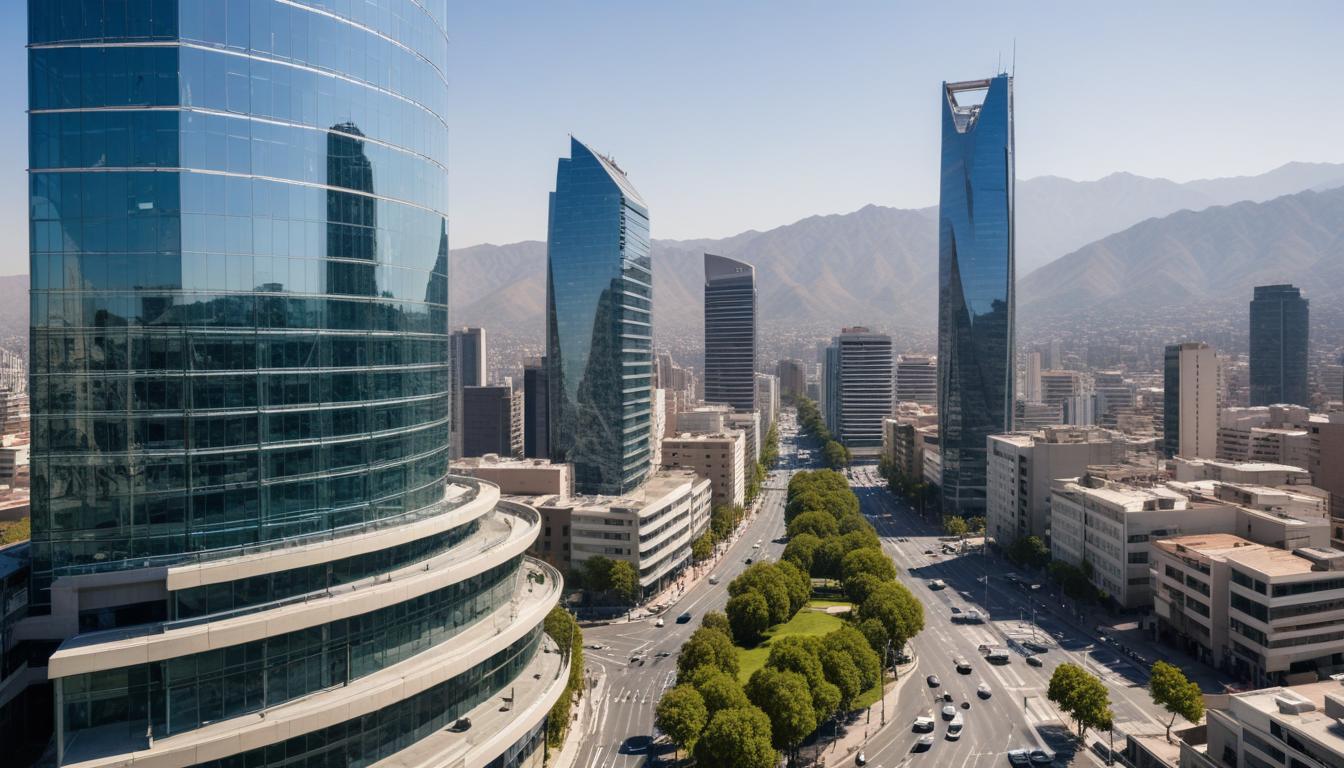
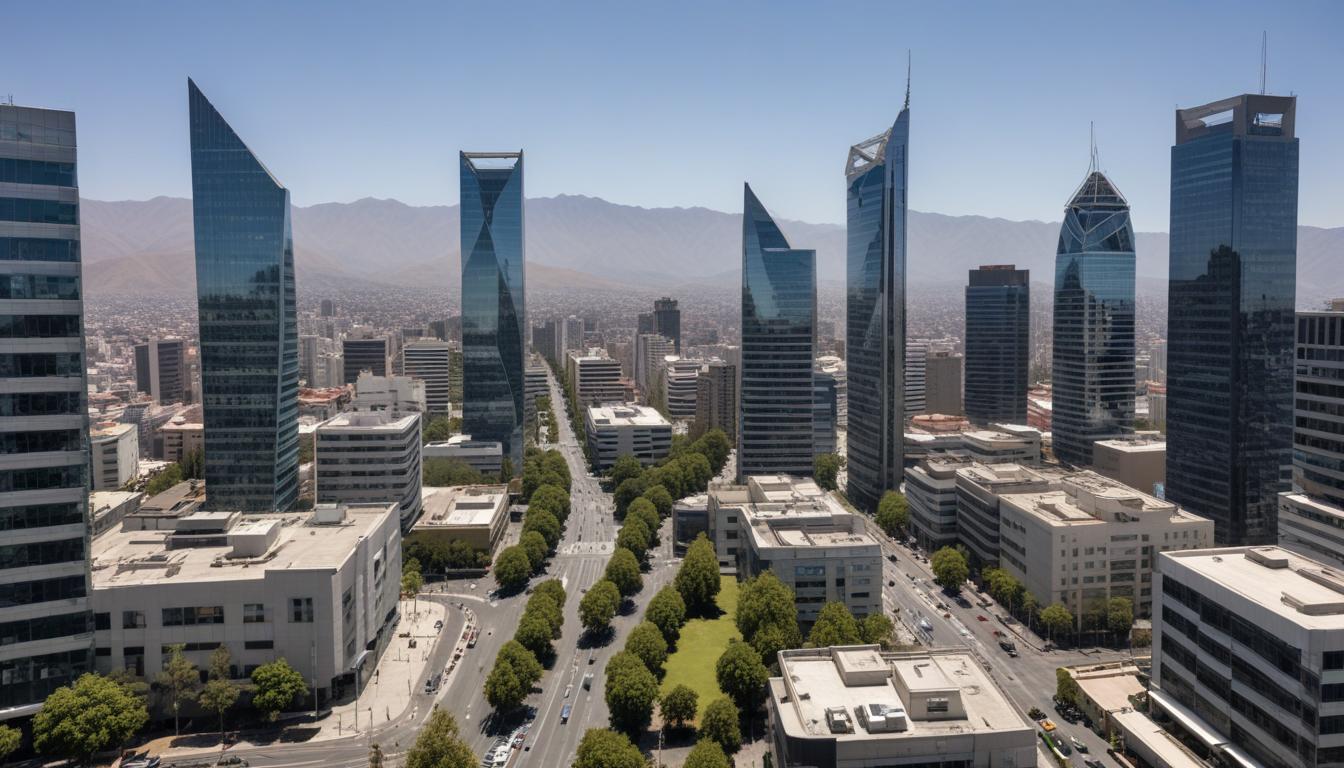
The gleaming office towers along Avenida Andrés Bello tell one story about Santiago's financial sector. The reality for workers living in neighbourhoods like Providencia and Ñuñoa tells quite another.
Over the past eighteen months, cost-of-living pressures have fundamentally reshaped how Santiago's investment and finance community attracts and retains talent. A two-bedroom apartment in central Providencia now commands upwards of 2.8 million pesos monthly—nearly triple pre-pandemic levels. Combined with childcare costs hovering around 1.2 million pesos per month and transport expenses consuming 400,000 pesos, mid-level analysts and portfolio managers face a stark equation: stay in the capital or seek opportunity elsewhere.
The exodus is real. Industry recruiters report a 23 percent increase in outbound talent migration to regional offices in Valparaíso and Concepción, where living costs remain substantially lower. More troubling for established firms, remote-first positions in Buenos Aires and Miami—offering similar salaries but accessing lower cost-of-living jurisdictions—have become magnets for Santiago's rising professionals.
"We're seeing attrition we've never witnessed before," says one senior talent manager at a major asset management firm headquartered near Plaza de Armas, requesting anonymity. "It's not about salary anymore. Our junior staff cannot afford to live here."
Investment banks and wealth management firms operating from Sanhattan's prestigious addresses are responding with creative solutions. Sign-on bonuses for junior positions have jumped 35 percent year-over-year. Some firms now subsidise employee housing directly or offer compressed four-day work weeks to reduce commuting costs. Yet these measures barely offset the structural problem: Santiago's cost of living has diverged sharply from wage growth in the sector.
The talent drain threatens Santiago's positioning as Latin America's financial capital. The Santiago Stock Exchange and the region's largest pension funds depend on sophisticated local expertise that took years to cultivate. Losing that institutional knowledge to remote positions abroad or cheaper domestic alternatives represents a genuine competitive concern.
Paradoxically, this reshaping may accelerate Santiago's existing trends toward inequality. Only professionals already wealth-adjacent—those with family property or inherited capital—can comfortably sustain middle-class life in premium neighbourhoods. Others increasingly commute from outer communes like Peñalolén or Puente Alto, extending working days while eroding quality-of-life advantages that once justified Santiago's talent premium.
As June closes, finance sector leaders face an uncomfortable reckoning: either wages must rise meaningfully, or Santiago's investment ecosystem will gradually hollow out, concentrating opportunity among the already privileged. For a city built on financial dynamism, that represents genuine peril.
This article was compiled by AI from the sources linked above and screened before publishing. See our editorial standards.