The tremors reshaping global markets are hitting Santiago's commercial property sector harder than most anticipated. Over the past eighteen months, major corporations have fundamentally reassessed their operational footprint across Latin America, and Santiago—long positioned as the region's most stable financial centre—is experiencing both unprecedented opportunity and mounting pressure.
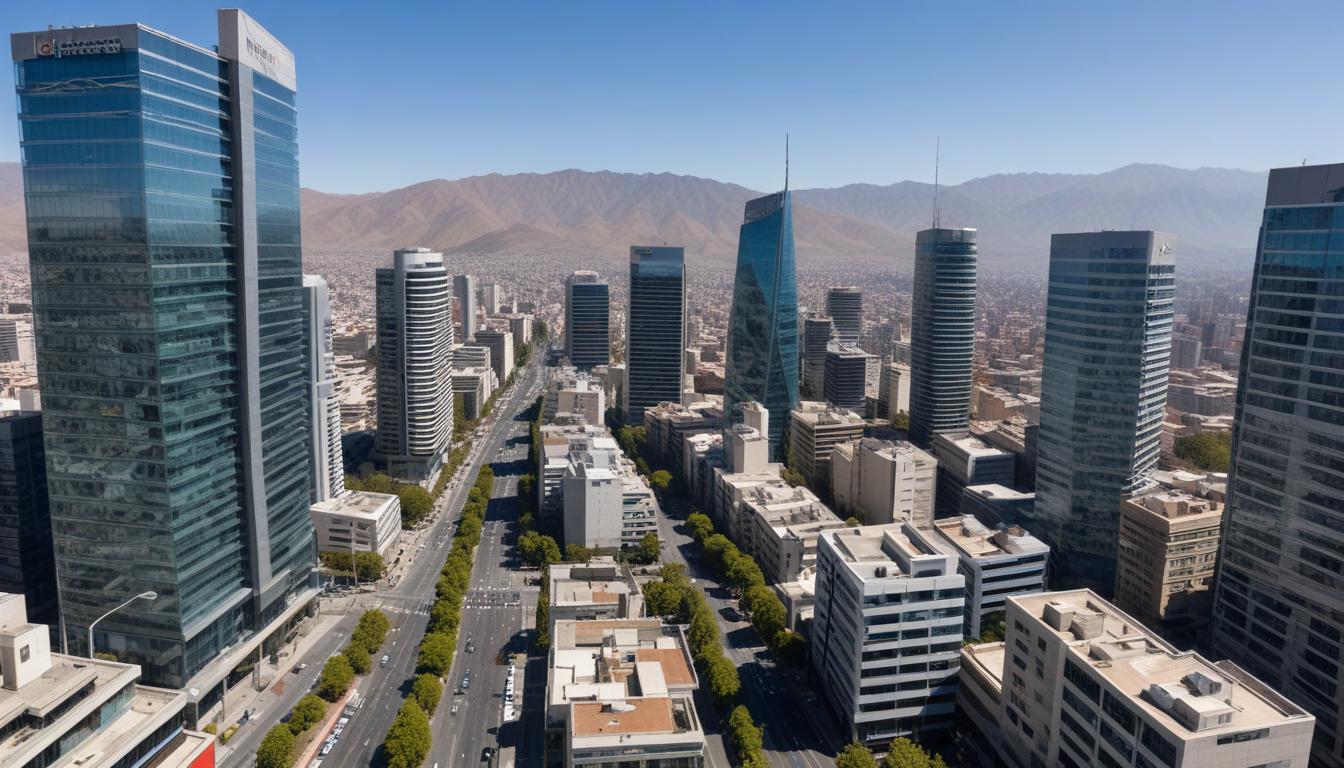
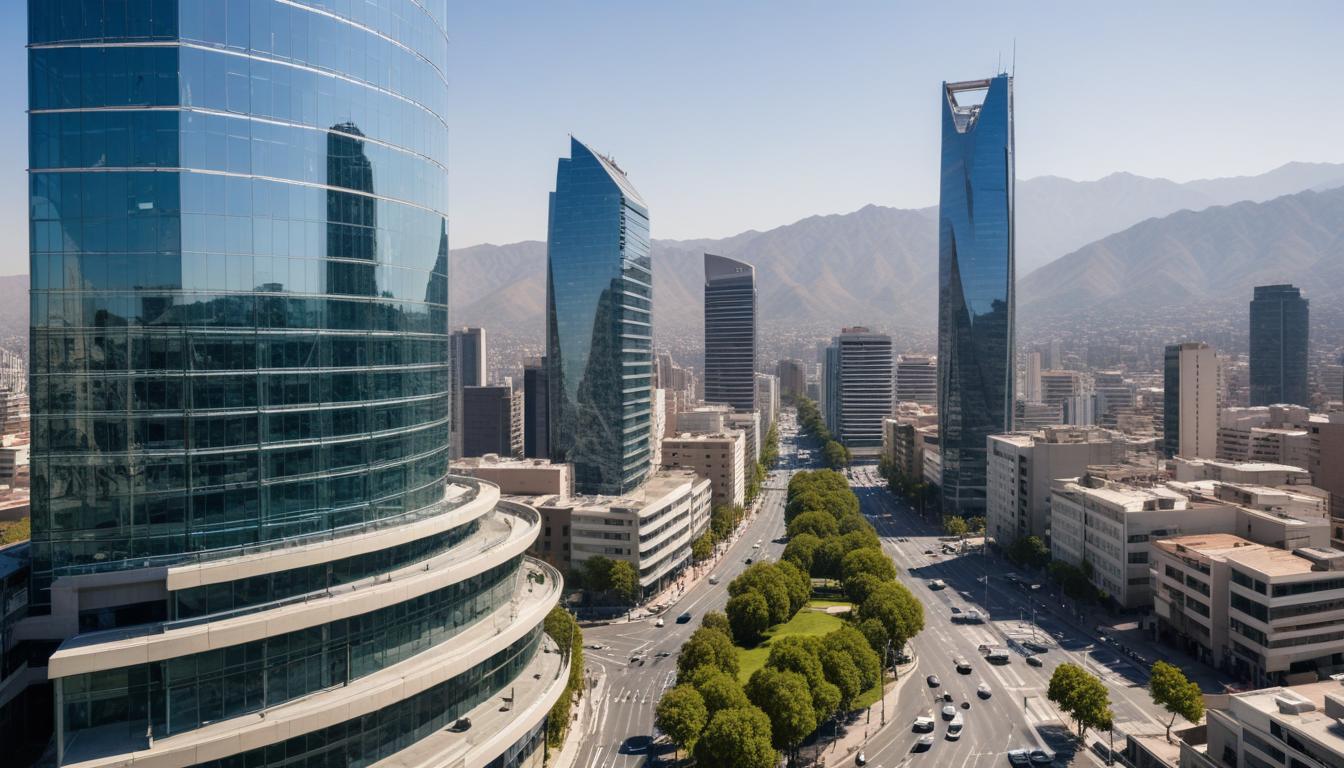
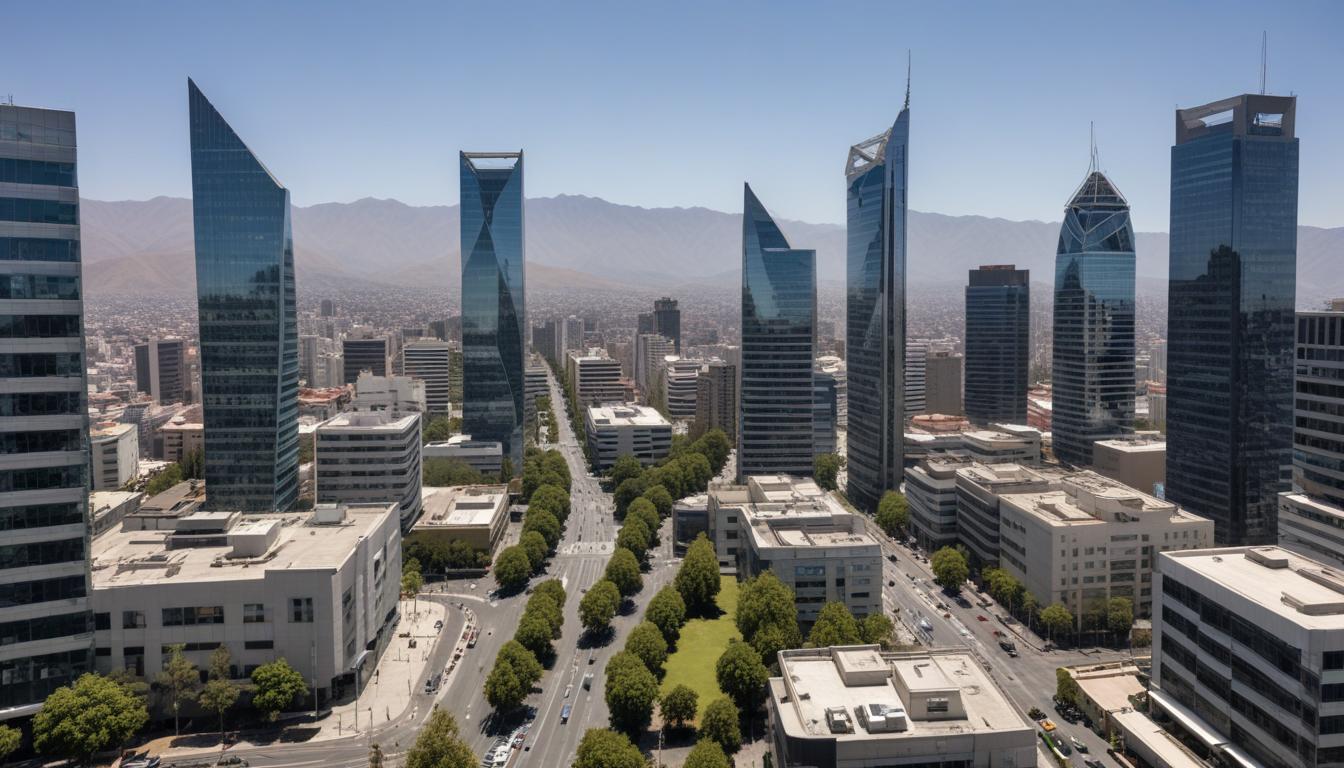
The shift is evident in Lastarria and the Sanhattan corridor along Avenida Nueva Costanera, where prime office space has seen mixed performance. According to recent market data from regional commercial brokers, Grade A office rents in these high-demand zones remain elevated at approximately $28–32 USD per square metre monthly, yet vacancy rates have crept upward to 12.3%, compared to 8.7% two years ago. The culprit? Multinational consolidation.
Companies with operations across Venezuela, the Middle East, and Pakistan are consolidating regional headquarters. Some are pulling back entirely; others are doubling down on Santiago as their sole Latin American command centre. This polarisation is reshaping demand. Financial services firms and tech companies are competing fiercely for premium space, while mid-tier consulting and back-office operations are increasingly exploring hybrid models or relocating to secondary markets like Providencia and Las Condes' outer reaches, where rents average $18–22 per square metre.
The geopolitical backdrop cannot be ignored. Instability in the Middle East is prompting energy and commodity traders to strengthen their Santiago presence as a neutral, well-regulated alternative. Meanwhile, the humanitarian crises in Venezuela and the Democratic Republic of Congo are accelerating demand for NGO and development-sector office space in neighbourhoods like Ñuñoa, traditionally overlooked by corporate real estate strategists.
Local property owners are adapting. Several major developments along Avenida Costanera are retrofitting spaces to accommodate shorter-term leases and flexible layouts—a direct response to multinational clients demanding agility. The Plaza Santiago and nearby office complexes have introduced co-working sections, something virtually unthinkable in Santiago's commercial market five years ago.
What does this mean for business operators in Santiago? Opportunity exists for those willing to negotiate longer-term commitments in premium locations, where landlords increasingly prefer stability. Conversely, companies seeking flexibility or cost efficiency may find better value outside the traditional CBD, though at the cost of prestige address and immediate labour access.
The global context—migration pressures, geopolitical realignment, and corporate recalibration—is no longer distant background noise. It is actively rewriting the rules of Santiago's commercial real estate game.
This article was compiled by AI from the sources linked above and screened before publishing. See our editorial standards.