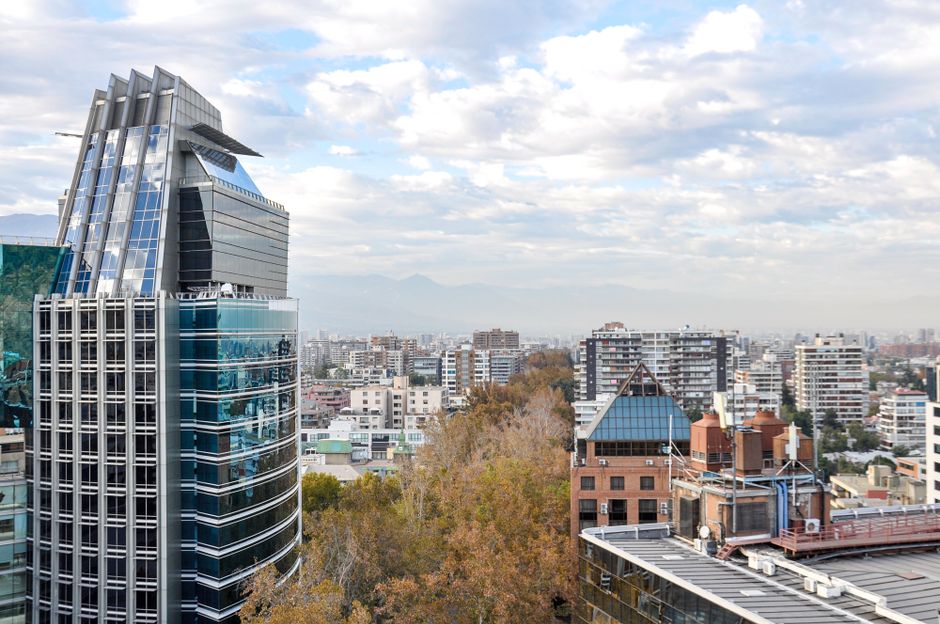
Santiago's Job Market Faces Perfect Storm as Global Headwinds Collide with Local Pressures
Rising unemployment, wage stagnation, and sector-specific contractions are testing the resilience of the capital's traditionally robust employment landscape.
Rising unemployment, wage stagnation, and sector-specific contractions are testing the resilience of the capital's traditionally robust employment landscape.
Listen to this article · 3:57
Santiago's labour market, long considered one of Latin America's more stable employment hubs, is confronting a confluence of challenges that threaten to unravel years of steady job creation. New data from the Regional Labour Observatory suggests unemployment in the metropolitan area has climbed to 8.7% in the second quarter of 2026—the highest level since 2021—while underemployment has crept above 15%, signalling deeper structural anxieties beneath headline figures.
The pressures are multifaceted. Global economic volatility has rippled through the professional services sector clustered around Avenida Costanera and the financial district near Huérfanos, where major multinational corporations have begun selective workforce reductions. Technology companies that once drove hiring across neighbourhoods like Lastarria and Ñuñoa have substantially slowed recruitment pipelines. Meanwhile, retail and hospitality—traditionally significant employment generators—remain hamstrung by weakened consumer spending and cautious business investment.
Manufacturing has been particularly hard hit. Plants in the southern industrial zones around Maipú and Puente Alto report operating at reduced capacity, with several firms implementing temporary furloughs rather than permanent layoffs. Construction, which had provided steady employment growth through major projects including metro extensions and commercial developments, now faces project delays and tighter financing constraints.
Wage pressures complicate the picture further. While nominal salaries have edged upward, inflation running at 3.2% annually means real purchasing power for many workers remains compressed. Entry-level positions across the service sector—where younger workers typically begin careers—increasingly offer wages that struggle to meet rising costs of living in central neighbourhoods like Providencia and Las Condes.
The mismatch between available roles and worker skills has also intensified. Sectors experiencing growth—primarily healthcare and renewable energy—require specialised credentials that many job seekers lack, creating pockets of demand alongside broader weakness. Vocational training institutions report increased enrolment, suggesting workers recognise the need for upskilling, though the lag between training completion and job placement remains substantial.
Business confidence surveys indicate employers are adopting a wait-and-see posture rather than committing to expansion. Small and medium enterprises, which collectively employ roughly 60% of the metropolitan workforce, report particular caution regarding new hires. Many are prioritising operational efficiency and automation over headcount growth.
For Santiago's labour market, 2026 represents a inflection point. The combination of external economic uncertainty, sector-specific disruptions, and local wage-price dynamics creates a challenging environment for both job seekers and employers. Recovery likely depends on stabilisation of global conditions and renewed business confidence—neither of which appears imminent.
This article was compiled by AI and screened before publishing. See our editorial standards.
How does this story make you feel?
Spread the word
About this article
Published by The Daily Santiago
Daily brief
Free, in your inbox before 7am. Weekdays.
More in Business