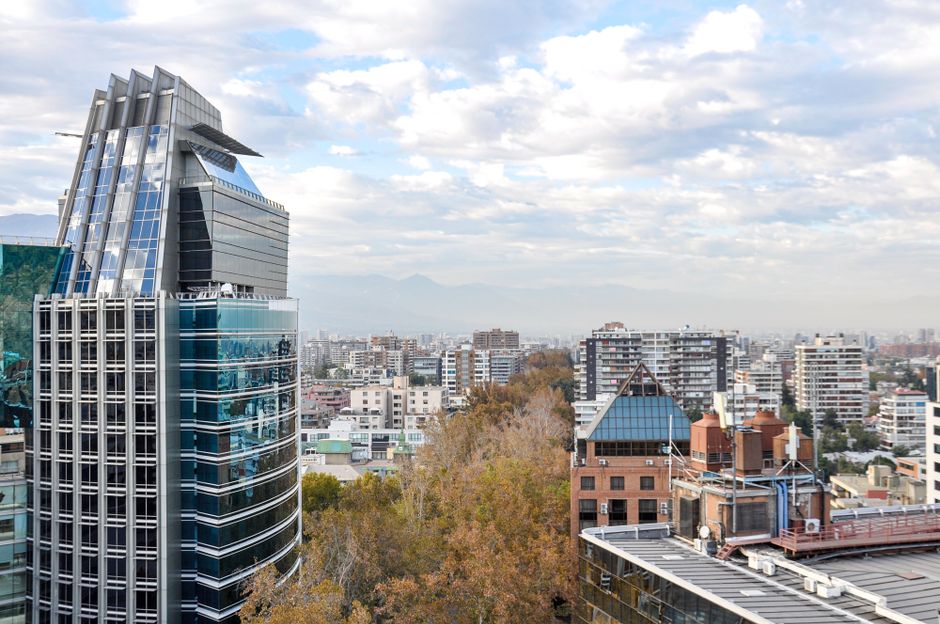
Santiago's tourism sector is facing its most challenging year since the pandemic recovery, as a perfect storm of economic and geopolitical pressures threatens to undermine the visitor economy that generates an estimated 8-10% of the metropolitan region's GDP.
Hotel occupancy rates across Lastarria, Bellavista, and the financial district around Providencia have plateaued at 62-65% this year, down from 71% in 2024, according to industry trackers. Meanwhile, average daily rates have compressed by roughly 12%, cutting into margins for mid-range operators who dominate Santiago's accommodation landscape.
The headwinds are multifaceted. Currency instability has made Santiago significantly more expensive for peso-conscious South American visitors, while North American and European tourists—traditionally higher-spending segments—are increasingly redirecting vacation budgets toward destinations perceived as more stable. The peso's weakness against the dollar, paradoxically, hasn't translated into a tourism windfall; instead, it has squeezed operators who rely on imported goods and services.
Beyond economics, regional turmoil is reshaping travel patterns. The ongoing Venezuelan humanitarian crisis and recent escalations involving Iran have made travellers more cautious about the broader Latin American region, even when specific countries remain unaffected. Tour operators along Moneda Street report booking cancellations running 18-22% higher than historical averages, particularly for multi-country itineraries that once routed visitors through Santiago as a hub.
Restaurant and retail businesses in the Barrio Lastarria, which thrived on tourist foot traffic, are recalibrating operations. Several establishments have shifted toward targeting local professionals rather than relying on casual visitor spending. Museum attendance at venues like the Museo Chileno de Arte Precolombino shows similar pressure, with international visitor numbers down roughly 15% year-on-year.
The Convention Bureau and Sernatur, Chile's national tourism service, are attempting to counteract these trends through targeted campaigns positioning Santiago as a cultural and culinary destination. Yet marketing efforts alone cannot offset macro-level uncertainty. Hotels in the tech corridor near Huérfanos and Teatinos are offering aggressive discounts to maintain bookings, further eroding sector profitability.
Analysts suggest recovery will depend on regional stabilisation and improved macroeconomic visibility. Until then, Santiago's tourism workers—estimated at roughly 45,000 across the metropolitan area—face an uncertain employment outlook, with some establishments already implementing reduced hours and staff furloughs.
This article was compiled by AI and screened before publishing. See our editorial standards.