Santiago Businesses Face Shrinking Export Window Amid Trade Shifts
Currency volatility, new tariff structures, and regional instability are forcing Santiago's business leaders to rethink supply chains and market access strategies.
Currency volatility, new tariff structures, and regional instability are forcing Santiago's business leaders to rethink supply chains and market access strategies.
Listen to this article · 3:42
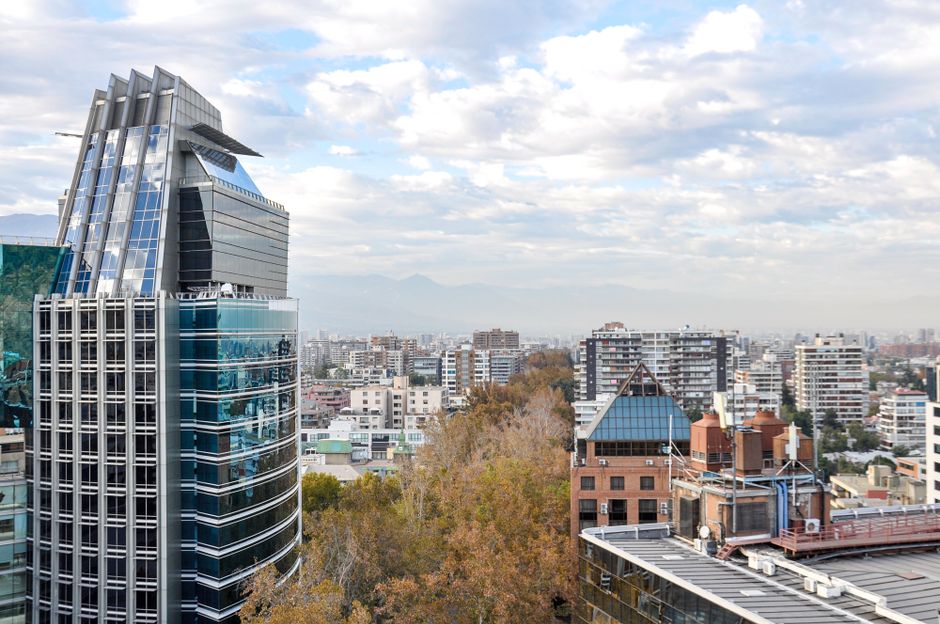
Santiago's commercial heartland is bracing for a challenging second half of 2026. Business leaders across the Barrio París-Londres and El Golf districts are grappling with a confluence of international headwinds that threaten to reshape decades-old trading patterns.
The peso has weakened nearly 12 percent against the dollar since March, making imports more expensive for manufacturers and retailers who depend on foreign materials. Meanwhile, revised tariff structures—particularly affecting agricultural exports and copper shipments to North American markets—are compressing margins for companies that have relied on preferential trade agreements.
"What we're seeing is a fundamental reshaping of global supply chains," explains the perspective common among logistics firms operating from the port areas. Companies are increasingly bypassing traditional routes through the Pacific, with some rerouting shipments through alternative corridors to avoid unpredictable duties. The Chilean wine industry, historically a pillar of Santiago's export economy, has seen shipment costs to key markets rise by approximately 15 percent over six months.
Regional instability adds another layer of complexity. Disruptions affecting Middle Eastern trade routes have extended shipping timelines significantly. A container that once reached European markets in 28 days now requires 35-40 days, forcing businesses to hold larger inventory reserves. For companies operating in the commercial zones near Mapocho and in Las Condes, this means tying up substantially more working capital.
Local financial institutions headquartered in the high-rise office parks of Providencia are signaling cautious credit conditions. Small and medium enterprises—the backbone of Santiago's economy—report that securing trade finance has become considerably more difficult, with interest rates climbing above 8 percent for import-export operations.
However, opportunities exist for those positioned strategically. Companies pivoting toward intra-regional Latin American trade are finding pockets of growth. The redirection of supply chains away from politically uncertain regions is creating openings for Chilean producers who can guarantee stable, reliable sourcing. Several companies are expanding warehouse capacity in the industrial zones south of the city to capitalize on regional distribution demand.
The consensus among trade associations and chambers of commerce is clear: diversification is no longer optional. Businesses relying on single-market export strategies face genuine risk. Those investing now in supply chain flexibility, alternative logistics routes, and regional partnerships are positioning themselves for the post-2026 landscape. For Santiago's business community, adaptation isn't a competitive advantage—it's a survival imperative.
This article was compiled by AI and screened before publishing. See our editorial standards.
How does this story make you feel?
Spread the word
About this article
Published by The Daily Santiago
Daily brief
Free, in your inbox before 7am. Weekdays.
More in Business