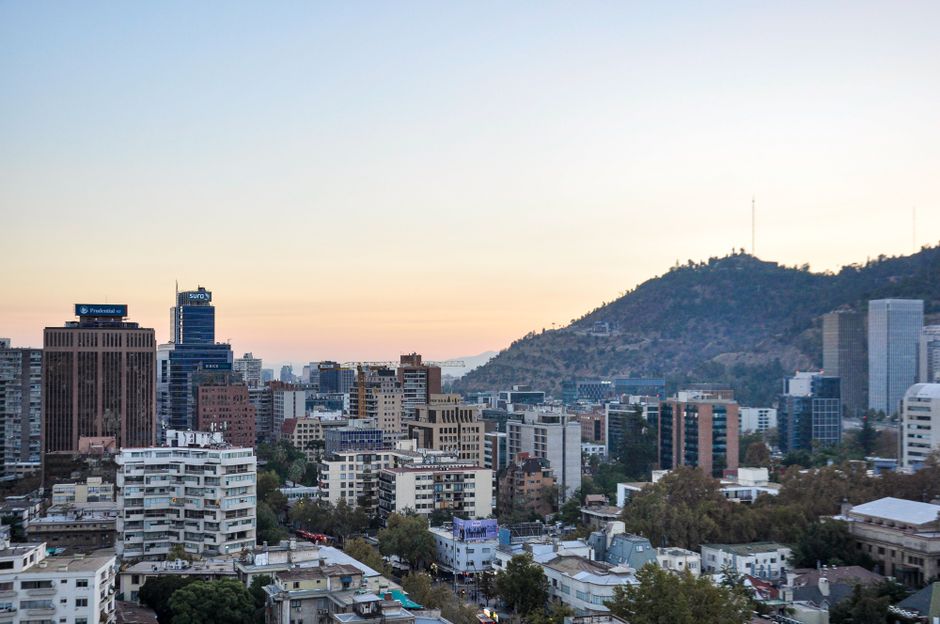
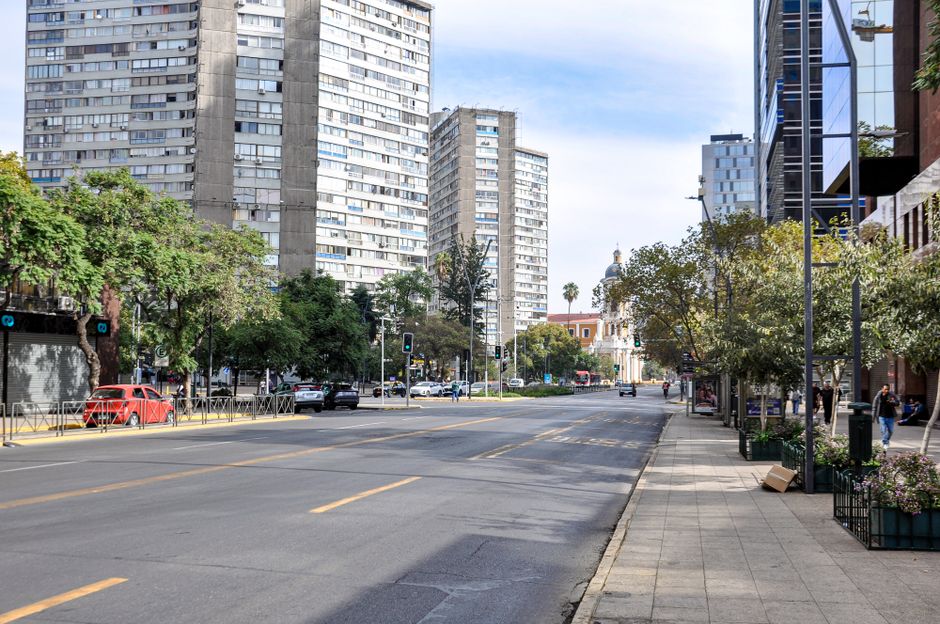
Santiago's transparency push puts it ahead of peer cities in Latin America
As major capitals struggle with public trust, Santiago's new open-data initiative and neighbourhood assembly reforms offer a model other cities are now studying.
As major capitals struggle with public trust, Santiago's new open-data initiative and neighbourhood assembly reforms offer a model other cities are now studying.
Santiago's municipal government has quietly become a regional outlier in how it approaches civic transparency and local decision-making—a shift that officials in Buenos Aires, Bogotá, and Mexico City are watching closely as they grapple with public disengagement.
The Metropolitana Council's rollout of its new open-data portal in April, combined with mandatory neighbourhood assemblies in districts like Providencia and Ñuñoa, represents a departure from the top-down governance that has long characterised the city. The portal, which publishes budget allocations, procurement contracts, and environmental impact assessments in real time, has already logged over 47,000 user searches in its first two months—suggesting genuine citizen appetite for oversight.
"What Santiago is doing on the Alameda with those monthly citizen councils is essentially what participatory budgeting advocates have been pushing for elsewhere," said Dr. María Rojas, an urban governance researcher at the Universidad de Chile. "The difference is they're actually resourced and happening consistently."
The city has allocated 2.3 billion pesos annually to support neighbourhood assemblies across all 34 districts, with residents directly voting on infrastructure priorities—from pothole repairs on Avenida Apoquindo to green space expansion in La Florida. This contrasts sharply with peer cities: Buenos Aires scrapped similar initiatives in 2019, citing coordination costs, while Bogotá's assemblies operate sporadically across only five localities.
Not everything is smooth. Implementation delays have frustrated residents in Maipú and San Bernardo, where assembly processes have taken longer than promised. A June audit flagged inconsistencies in how some districts publish their meeting minutes. And affordability concerns remain central: as housing prices in eastern neighbourhoods continue climbing—median rents in Las Condes averaging 1.8 million pesos monthly—questions persist about whether lower-income communities have equal voice in resource allocation.
Still, Santiago's approach has attracted international attention. A delegation from Lima visited the city's municipal offices last month, and the Organisation of American States has requested documentation of the model for potential adaptation across the region.
The true test will come in next year's municipal elections, when voters decide whether this decentralised experiment deserves continued investment, or whether Santiago reverts to more traditional hierarchical governance. For now, though, the city is proving that even in a region often defined by institutional distrust, genuine reform is possible—if the political will exists.
This article was compiled by AI from the sources linked above and screened before publishing. See our editorial standards.
How does this story make you feel?
Spread the word
About this article
Published by The Daily Santiago
Daily brief
Free, in your inbox before 7am. Weekdays.
More in News