Santiago's Metro Expansion Races Ahead—But City Lags Behind Global Peers on Timeline
As the capital races to extend its subway network to suburban communities, transport experts say comparable cities are completing similar projects years faster.
As the capital races to extend its subway network to suburban communities, transport experts say comparable cities are completing similar projects years faster.
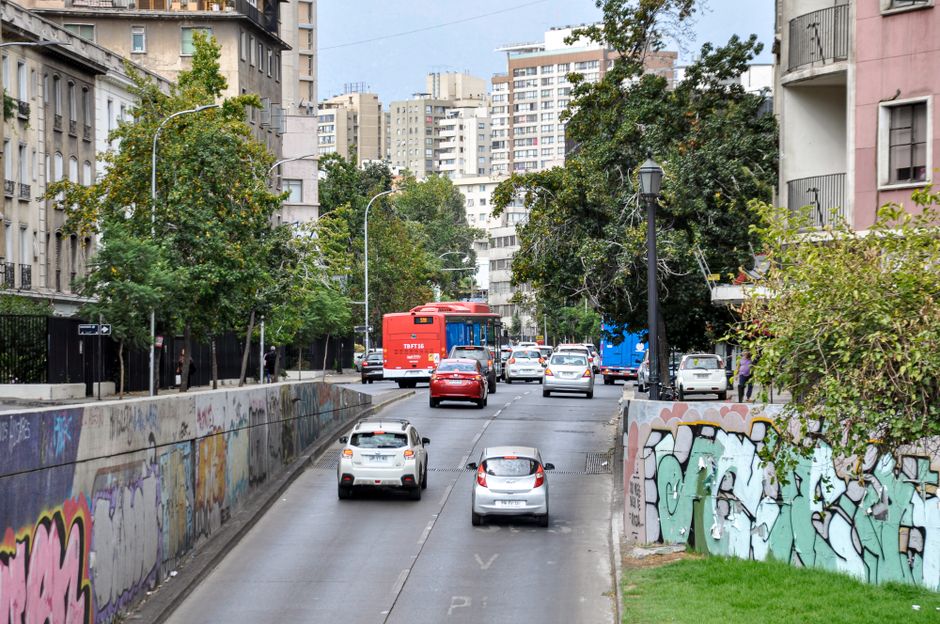
Santiago's ambitious plan to extend Line 7 of its Metro system into the crowded residential zones of La Pintana and San Bernardo represents a $2.3 billion commitment to modernise the city's creaking transport infrastructure. Yet as construction crews work along Avenida La Paz and deeper into the southern suburbs, project managers face a sobering reality: major cities globally are executing comparable infrastructure overhauls at significantly faster pace.
The La Pintana extension, originally slated for completion in 2025, now won't welcome its first passengers until 2027 at the earliest. By contrast, Barcelona expanded its metro network by comparable distances in under four years, while Seoul added three full lines to serve suburban communities in roughly the same timeframe. Mexico City, often cited as a cautionary tale of transport dysfunction, has nonetheless pushed through three major metro extensions since 2015—each completed within budget and ahead of schedule.
Transport analysts point to bureaucratic fragmentation as Santiago's chief bottleneck. Unlike Seoul's integrated rapid-transit authority or Madrid's unified metro operator, responsibility for Santiago's public transport remains divided between Metro, regional authorities, and private concessionaires managing bus rapid transit corridors like the Transantiago system. This fractured governance model has added an estimated 18 months to project timelines, according to recent analysis from the Transport Research Institute at Universidad de Chile.
The delays carry real human costs. Residents in densely packed communes—where average household incomes sit below 850,000 pesos monthly—currently spend up to two hours daily commuting via overcrowded buses through gridlocked streets. The current network carries 2.4 million passengers daily, near maximum capacity on core routes through Estación Central and Baquedano.
City authorities insist progress is measurable. The eastern extension toward Maipú, opened last year, did come in on budget. Plans for a new suburban rail corridor linking Puente Alto with downtown Santiago are also advancing. Yet confidence remains fragile: when the Puerto authorities announced a 14-month delay to the Valparaíso freight rail project in 2024, it sent ripples through investor sentiment regarding all major transport initiatives.
Global best practice suggests Santiago could shave two years off similar projects through institutional consolidation—merging oversight bodies and streamlining environmental review processes. Cities like Lisbon and Copenhagen have done exactly this, with measurable results. As Santiago grows and traffic congestion threatens to strangle economic productivity, the question facing municipal authorities grows sharper: can the capital learn from international precedent, or will it remain locked in a pattern of perpetual delay?
This article was compiled by AI from the sources linked above and screened before publishing. See our editorial standards.
How does this story make you feel?
Spread the word
About this article
Published by The Daily Santiago
Daily brief
Free, in your inbox before 7am. Weekdays.
More in News