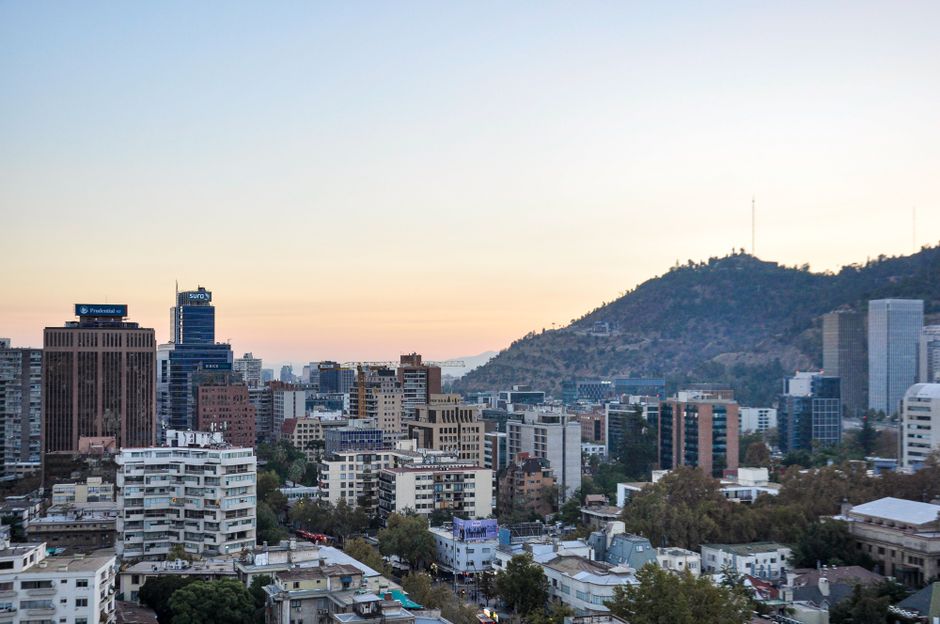
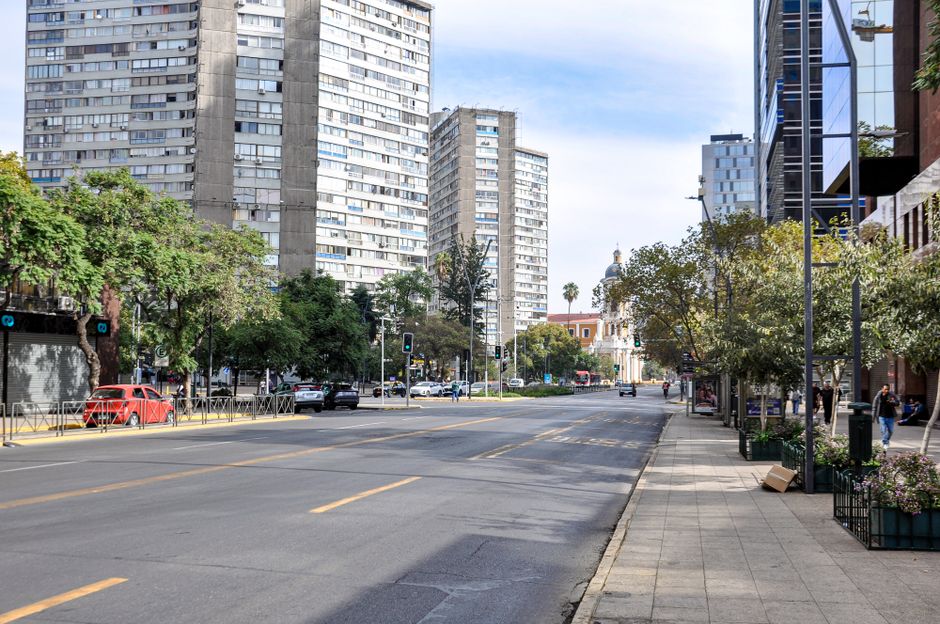
Santiago stands at a crossroads. Within the next four weeks, the municipal government must make three decisions that will fundamentally reshape how the capital—home to 5.4 million people and responsible for roughly 45% of Chile's greenhouse gas emissions—tackles climate change.
The first decision comes July 8, when the city council votes on binding emissions reduction targets. Under the current proposal, Santiago would commit to cutting carbon output by 35% by 2030, compared to 2015 baselines. Environmental organisations working in the San Isidro and Providencia districts have praised the ambition, but questioned enforcement mechanisms. "The targets mean nothing without teeth," said analysts at the Santiago Sustainability Collective, which has monitored air quality data from stations across the Mapocho basin for five years.
The second critical vote involves overhauling public transport along the Alameda corridor and secondary routes like Avenida Apoquindo. City planners propose retiring 800 diesel buses by 2028 and expanding the metro's line 7 extension toward the eastern suburbs. The infrastructure investment exceeds 180 billion pesos, requiring approval from the finance committee by July 15. Transport currently accounts for 38% of Santiago's urban emissions; failure to modernise the fleet could lock in decades of air pollution.
Most contentious is the third issue: industrial zoning reform in the western and southern municipalities, particularly around Lo Espejo and La Cisterna. The city has proposed tightening regulations on cement factories, refineries, and chemical plants clustered in these working-class neighbourhoods—facilities that residents say have elevated respiratory illness rates by 22% since 2010. Factory operators argue stricter emission controls could force closures or relocation, threatening 8,000 jobs. The council must balance environmental justice against economic disruption.
Each decision intersects with broader pressures. Santiago's notorious winter smog—which periodically forces schools to close and triggers health alerts—continues despite EU-standard emission regulations introduced in 2020. Simultaneously, groundwater depletion from mining and agriculture upstream has stressed the city's water supplies, adding urgency to industrial water-use restrictions.
The Metropolitan Environmental Commission has signalled support for all three measures, though implementation remains vague. Funding sources, timeline specifics, and accountability structures require clarification before votes proceed. Environmental groups have scheduled public hearings at the Biblioteca Viva in Ñuñoa and the Centro Cultural Lastarria throughout early July.
Santiago's credibility on climate action—already tested by years of delay—will be measured by what happens next month.
This article was compiled by AI from the sources linked above and screened before publishing. See our editorial standards.