By the Numbers: How Santiago's Plaza de Armas Revitalization Is Reshaping the City Centre
New data reveals the scale and impact of the neighbourhood's transformation, from foot traffic to business investment.
New data reveals the scale and impact of the neighbourhood's transformation, from foot traffic to business investment.
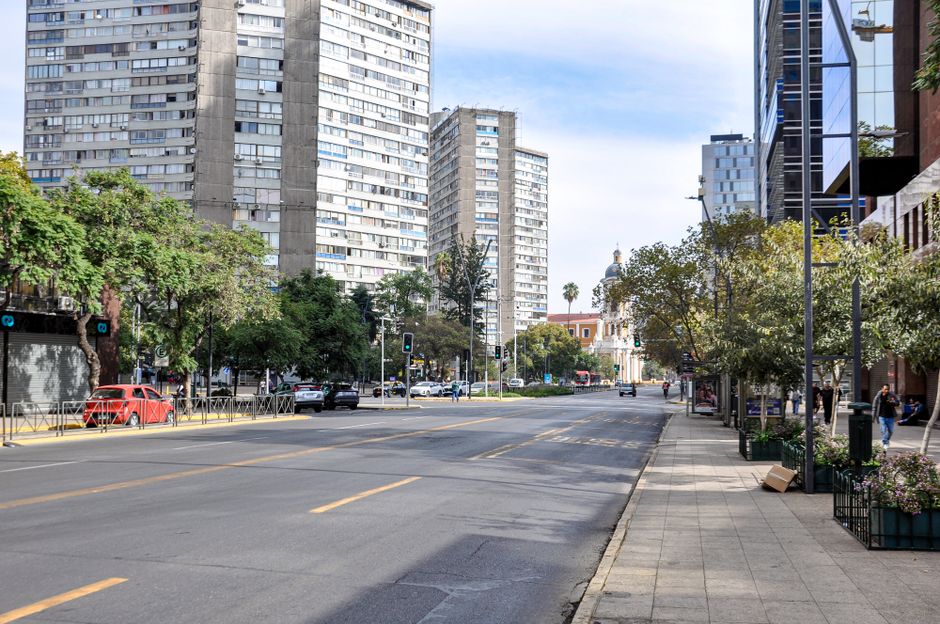
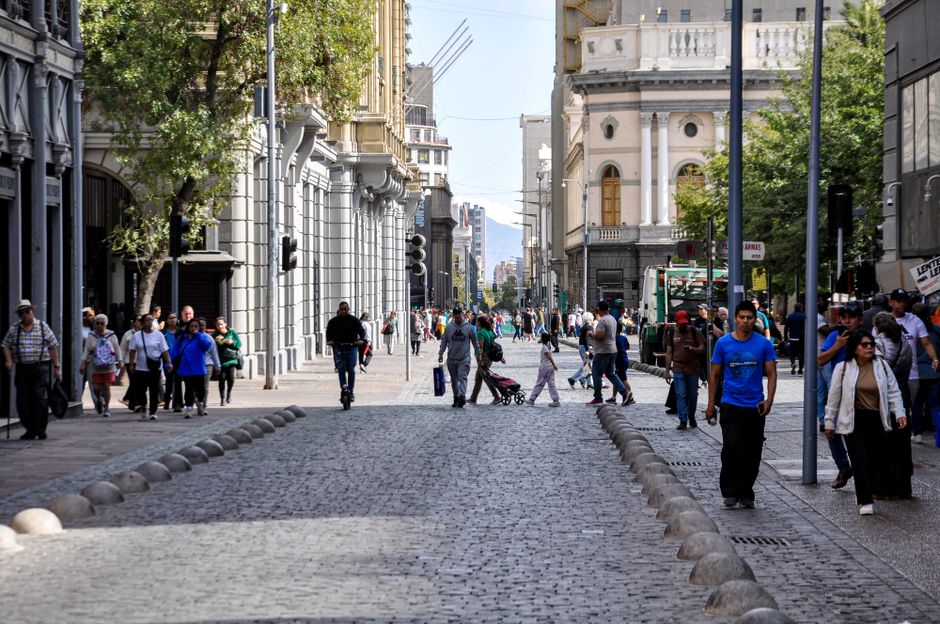
The numbers tell a story of dramatic change in Santiago's historic heart. According to the municipal development office, pedestrian traffic through Plaza de Armas has increased by 47% over the past 18 months, with daily visitors now averaging 28,000 people during weekdays and 42,000 on weekends—figures that reflect the neighbourhood's emergence as a genuine urban destination rather than merely a transit corridor.
The revitalization of the surrounding streets—particularly Merced, Bandera, and Ahumada—has triggered a corresponding commercial renaissance. Small business registrations in the Plaza de Armas neighbourhood jumped 34% year-on-year, according to data from the Chamber of Commerce. Average commercial rents in the immediate vicinity have climbed to 85,000 pesos per square metre monthly, up from 61,000 a year ago, yet vacancy rates have plummeted from 18% to just 8%.
The Biblioteca de Santiago, which anchors the northwestern edge of the plaza, reports circulation figures have doubled to 12,400 monthly visitors since its expanded programming launched last September. The adjacent Paseo Ahumada pedestrian mall saw retail sales increase 23% in the first quarter of 2026 compared to the same period last year, according to participating merchants.
Investment data underscores institutional confidence. Three major renovation projects worth a combined 156 million pesos are currently underway within a six-block radius, targeting heritage buildings that had sat partially vacant for years. The Palacio de La Moneda visitor centre, located at the plaza's southern boundary, welcomed 89,000 tourists in May alone—a 31% increase from May 2025.
Yet the transformation raises equity questions. The percentage of long-term residents in immediate surrounding neighbourhoods has shifted markedly; census data indicates that renters aged 25-45 comprised 52% of the population in 2024, up from 38% in 2020. Meanwhile, housing costs in nearby properties have risen an average of 19% annually.
Social services organisations working in the area report a 15% increase in demand for community support programmes, suggesting not all Santiago residents are benefiting equally from the plaza's renaissance. The Fundación Hogar de Cristo operates three facilities within walking distance, serving approximately 420 individuals weekly—numbers that have remained stable despite the neighbourhood's broader economic growth.
The data ultimately reflects a neighbourhood in transition: economically vibrant but unevenly distributed, attracting new investment while raising questions about who the revived city centre truly serves.
This article was compiled by AI from the sources linked above and screened before publishing. See our editorial standards.
How does this story make you feel?
Spread the word
About this article
Published by The Daily Santiago
Daily brief
Free, in your inbox before 7am. Weekdays.
More in News