Santiago stands at a crossroads. With median apartment prices in Lastarria and Bellavista now exceeding $8,500 per square metre—up 34% in three years—and over 40,000 families on municipal waiting lists, the Metropolitan Housing Authority faces three pivotal decisions in the next eight weeks that will fundamentally reshape how the city develops.
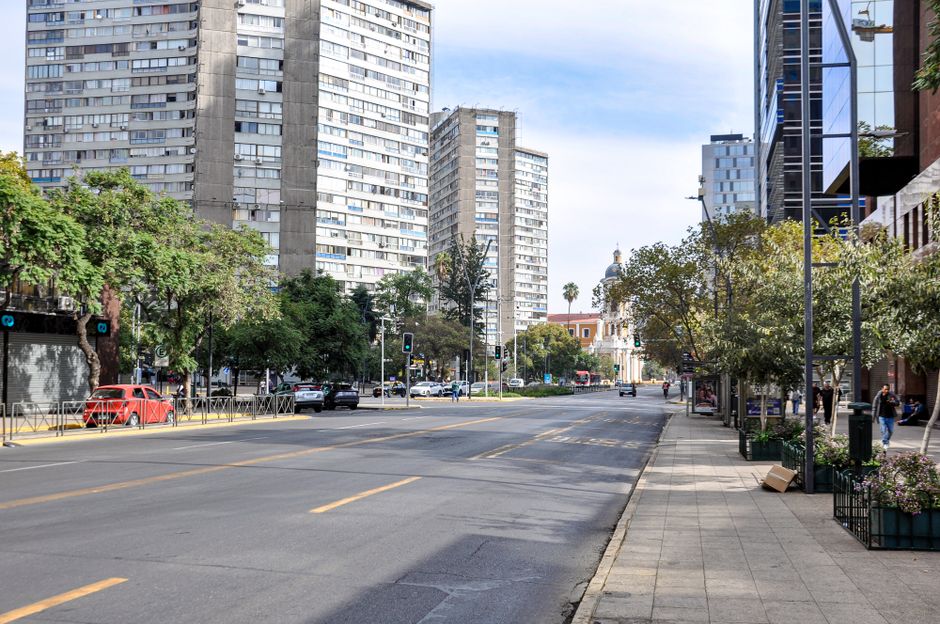
The first test comes July 15, when the city council votes on zoning amendments for the Quinta Normal and Estación Central corridors. Current regulations cap residential density at 4.5 floor-area ratios, constraining mid-rise development precisely where new metro lines have reduced commute times to 25 minutes across the city. Lifting this ceiling to 6.5 FAR—as advocates argue—could unlock 12,000 new units over a decade. But heritage preservation groups worry about losing the neighbourhood character that makes these areas valuable in the first place.
Then comes the harder question: affordability requirements. The Municipal Development Directorate will decide whether to mandate that 15% of units in new projects exceed current proposals of 8%. At the San Cristóbal development forum last month, builders warned that such requirements would push construction costs onto buyers elsewhere, potentially accelerating gentrification in adjacent working-class neighbourhoods like La Florida and Pudahuel. Housing advocates counter that without such mandates, Santiago will simply replicate Toronto's trajectory—a city now synonymous with unaffordability.
The third decision concerns the Mapocho riverfront. City Hall has received competing master plans: one prioritises mixed-income residential clusters with public plazas; another emphasises commercial and hospitality uses. The riverfront's 8 kilometres represent Santiago's largest undeveloped urban asset. Whether it becomes housing or hotels will signal whether the city views itself as primarily a place for people to live or a destination for consumption.
What complicates these decisions is timing. Interest rates remain elevated, construction permits are down 18% year-on-year, and developer confidence has fragmented. Some firms are pausing projects pending clarity on zoning. Families, meanwhile, continue stretching finances to breaking point, with housing costs consuming 42% of median household income—well above international benchmarks of 30%.
The Metropolitan Housing Authority's next six weeks will determine whether Santiago actively builds housing for its working and middle classes, or passively watches it become a city of extremes. The technical frameworks exist. Political will remains the variable.
This article was compiled by AI from the sources linked above and screened before publishing. See our editorial standards.