Santiago's Housing Plan Hits Crucial Milestone as City Council Votes on Lastarria Regeneration
A contentious week of urban planning decisions leaves residents divided over density, affordability, and the future shape of Chile's capital.
A contentious week of urban planning decisions leaves residents divided over density, affordability, and the future shape of Chile's capital.
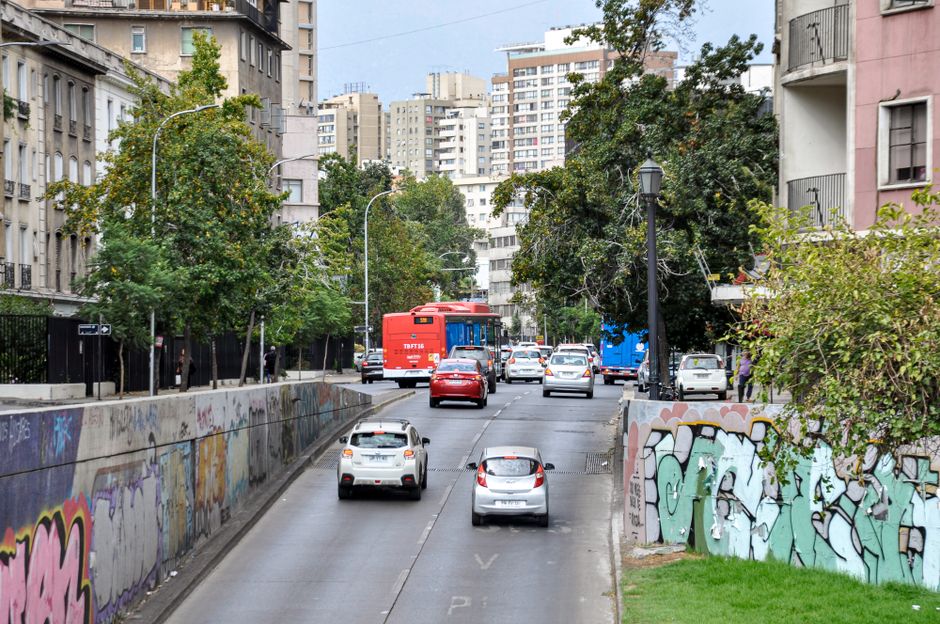
Santiago's city council approved a watershed moment in municipal housing policy on Thursday, voting 28-14 to fast-track a mixed-income residential project in the Lastarria neighbourhood—a decision that has reignited fierce debate about density, gentrification, and urban equity across the metropolitan area.
The €240 million initiative, proposed by the municipal development authority SERVIU, targets the intersection of Merced and Morandé streets, where aging commercial buildings and vacant lots currently dominate. Under the approved framework, developers will be required to allocate 35 per cent of units as affordable housing, a concession won by housing advocacy groups after three months of negotiation.
"This is about sharing the city," said Jacqueline Yáñez, director of the social housing collective Vivienda Digna, which has monitored the process closely. The organisation had initially opposed the plan, citing concerns that "affordable" units—priced at approximately 4.2 million pesos per month for a two-bedroom—remain inaccessible for families earning less than €1,200 monthly.
The vote comes as Santiago grapples with a broader affordability crisis. Housing prices in central neighbourhoods have surged 18 per cent since 2023, according to data released Tuesday by the Chamber of Construction. Meanwhile, waiting lists for subsidised housing maintained by the Housing Ministry exceed 165,000 households citywide—a figure that has prompted criticism from left-leaning city council members who argue the private sector cannot solve endemic shortages.
The Lastarria decision nonetheless reflects a subtle policy shift. Mayor Claudio Orrego's administration has increasingly embraced transit-oriented development, concentrating new housing near metro stations rather than sprawling into dormitory suburbs. The Merced-Morandé site sits 400 metres from Metro Line 1's Los Leones station, positioning it as strategically compatible with the city's broader transit strategy.
However, the approval carries conditions. Developers must implement community consultation sessions, contribute 2 per cent of project revenue to a local heritage fund, and maintain ground-floor commercial space to preserve Lastarria's bohemian character. These commitments partly satisfied cultural organisations that feared wholesale gentrification of the historic neighbourhood.
The decision now moves to Santiago's environmental review authority, which must assess traffic, utilities, and green space impacts. Final approval is expected within six weeks, though administrative appeals from residents' associations may extend the timeline further into August.
For Santiago's housing sector, this week represents neither comprehensive victory nor defeat—but rather an incremental rebalancing between market forces and public need, one neighbourhood at a time.
This article was compiled by AI from the sources linked above and screened before publishing. See our editorial standards.
How does this story make you feel?
Spread the word
About this article
Published by The Daily Santiago
Daily brief
Free, in your inbox before 7am. Weekdays.
More in News