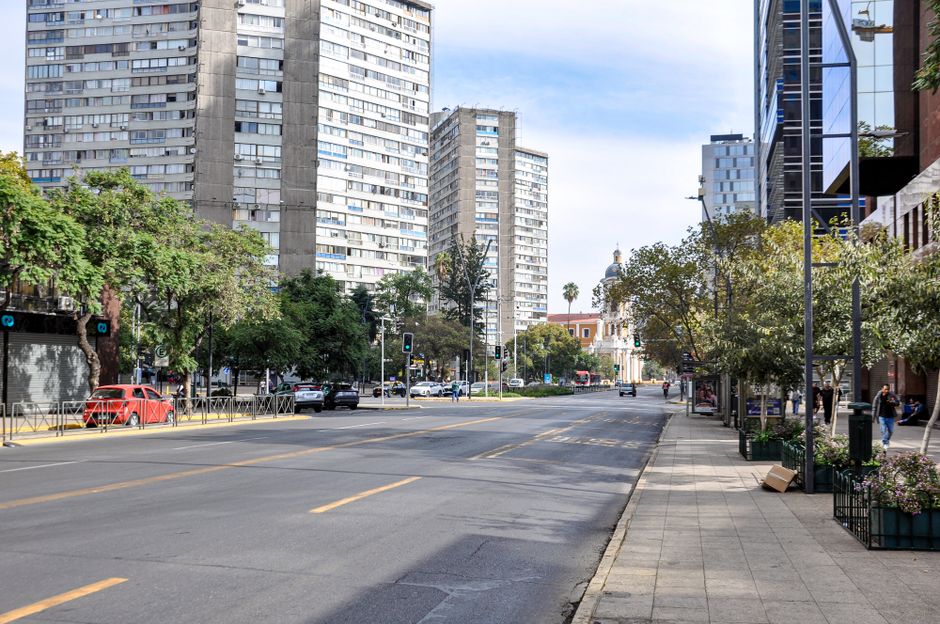
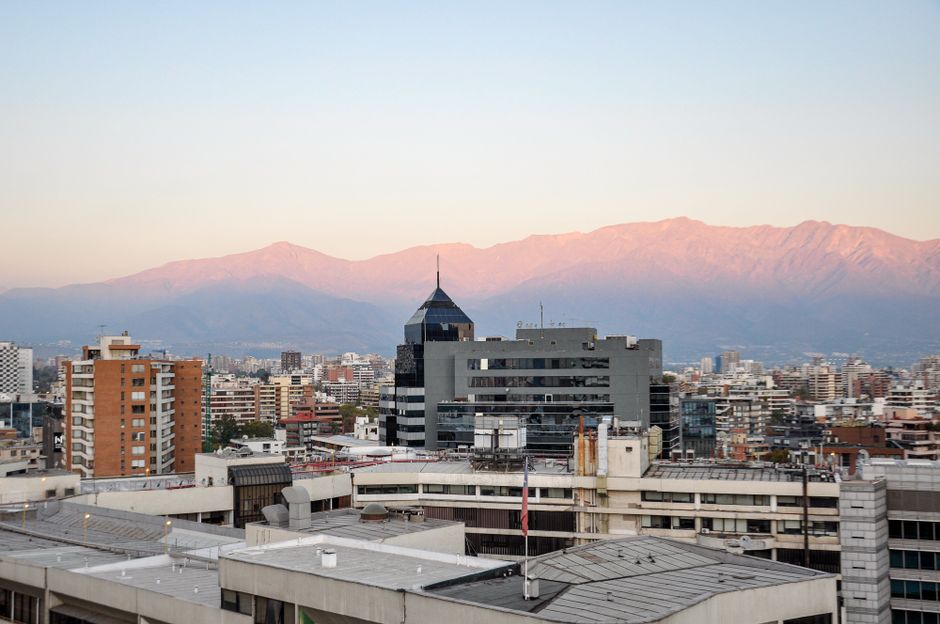
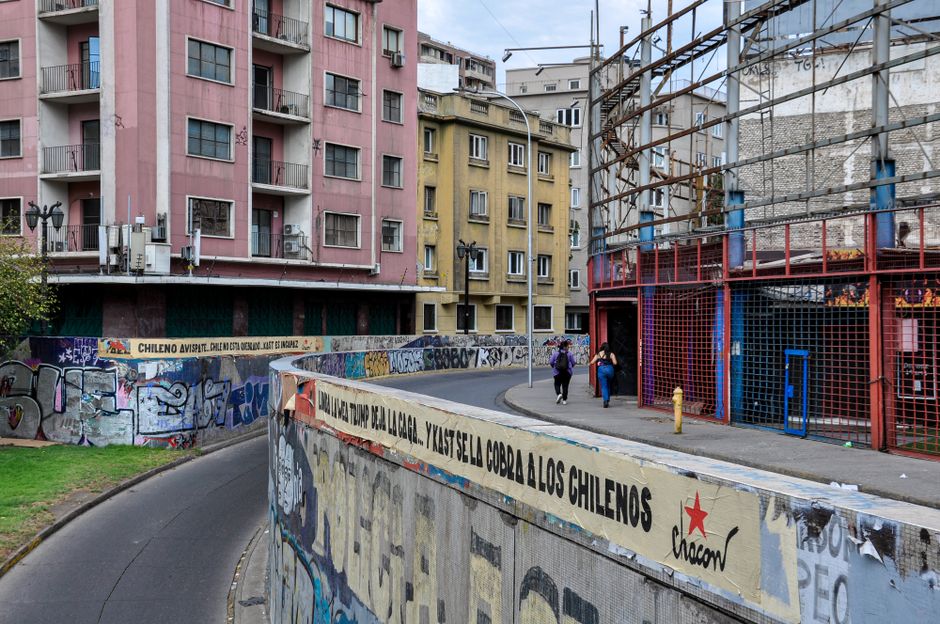
Walk through Lastarria on any given afternoon and you'll hear Spanish, Portuguese, Creole, and Mandarin competing for airspace at the cafés along Merced Street. This linguistic tapestry didn't emerge overnight. Santiago's transformation into a magnet for migrants is the culmination of three decades of geopolitical upheaval, economic restructuring, and deliberate policy choices that have positioned Chile's capital as the region's most stable urban centre.
The foundation was laid in the 1990s. As Central American conflicts wound down and Argentina's economy imploded in 2001, Santiago began attracting professionals and entrepreneurs seeking political certainty. But the real inflection point came after 2010. The catastrophic earthquakes in Haiti and later Venezuela's economic collapse created waves of displacement that found their way to Santiago's doorstep. Between 2010 and 2024, the migrant population in the metropolitan area grew from roughly 200,000 to over 1.2 million—nearly 18 percent of residents.
The mechanics were simple: relative stability attracted desperate people. Chile's GDP per capita of $16,400 stands as one of the hemisphere's highest. Public healthcare, despite chronic underfunding, offers services unavailable in neighbouring countries. The peso, while volatile, remains more reliable than currency systems in Venezuela or Haiti. Universities like Universidad de Chile and Pontificia Universidad Católica admitted international students at unprecedented rates, creating educational pathways that morphed into permanent settlement.
Geography amplified these factors. Santiago's position as a South American hub—connected by air to every major capital—made it a logical transit point that became a destination. The Estación Central district transformed into an informal migration processing centre, while neighbourhoods like Independencia and Recoleta developed parallel economies serving newcomer communities. Commercial rents in these areas, averaging 280,000 pesos monthly for modest retail spaces, remained accessible compared to downtown rates.
Yet structural vulnerabilities underlay this growth. Regional crises—Pakistan's military incursions into Afghanistan, ongoing turmoil in the Democratic Republic of Congo, Venezuela's continued deterioration—kept pushing people outward. Santiago absorbed them partly through capacity, partly through necessity. NGOs like the International Organization for Migration established offices on Teatinos Street. The municipality expanded housing programmes. Universities adapted curricula.
Today's demographic reality reflects accumulated consequences of decisions made decades ago. The question facing Santiago isn't how we arrived here—the path is clear—but rather how a city of 5.3 million manages the expectations of newcomers seeking what older residents took for granted: affordable housing, genuine economic mobility, and belonging. That story is just beginning.
This article was compiled by AI from the sources linked above and screened before publishing. See our editorial standards.