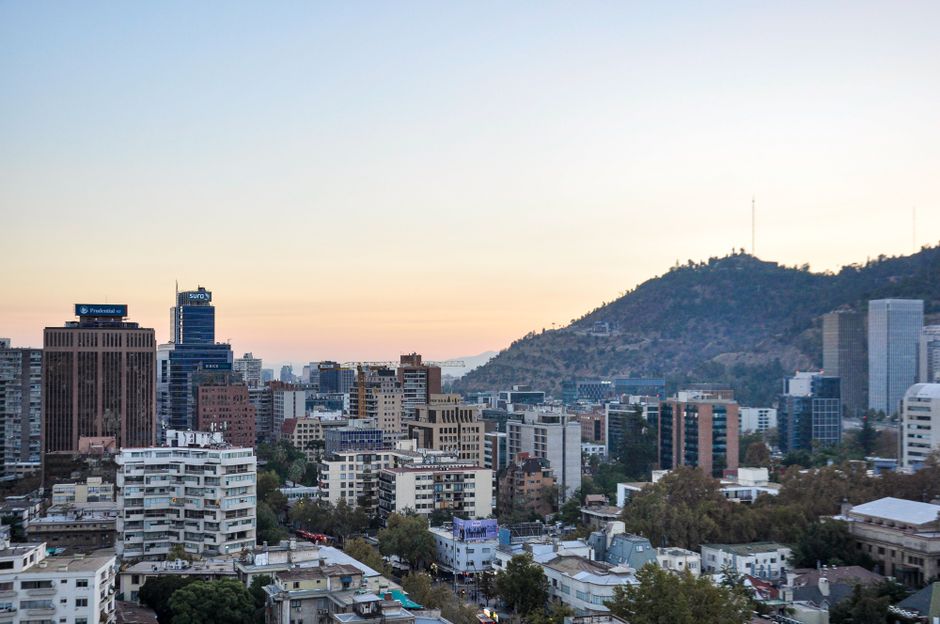
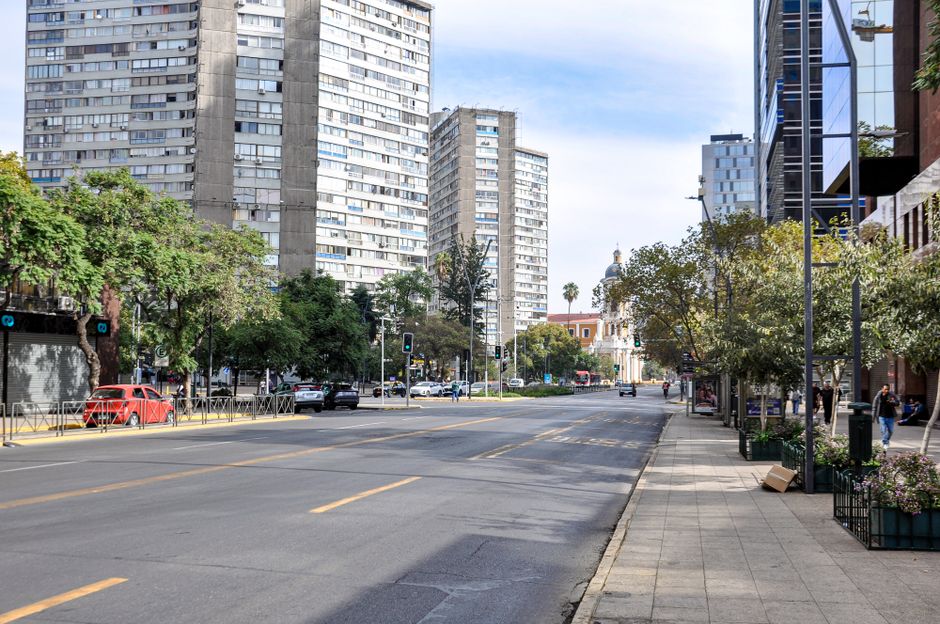
The Santiago Metropolitan Planning Commission voted 7-4 on Thursday to greenlight a controversial mixed-use development project in the Lastarria district, marking a significant shift in how city officials are approaching Santiago's persistent housing shortage. The proposal, which will transform a vacant industrial site near Cerro Santa Lucía into 840 residential units alongside commercial and office spaces, represents the largest urban densification project approved here in two years.
The decision came after weeks of heated public debate. Advocates argue the development—set to break ground in early 2027—could provide much-needed housing relief in a city where median apartment prices in central neighbourhoods now exceed 8.2 million pesos per square metre. The project's mixed-income structure mandates that 25% of units be allocated to below-market housing, though critics contend the threshold remains insufficient for Santiago's most vulnerable residents.
"This is progress, but incomplete progress," said a spokesperson for Vivienda Santiago, the city's largest housing advocacy coalition. "We need stronger protections for lower-income households, not symbolic gestures."
The Lastarria decision reflects broader tensions in Santiago's urban planning landscape. Last month, the city council rejected three separate proposals to expand public transit access to the outer neighbourhoods of La Pintana and San Ramón, citing budget constraints that have squeezed the municipal transport authority. Meanwhile, gentrification pressures continue transforming historic areas like Bellavista, where rental prices have climbed 19% year-over-year.
The commission's approval hinges on developer compliance with new environmental standards and a commitment to preserve three heritage-listed buildings on the Lastarria site. Construction is expected to take 36 months, with first occupancy targeted for late 2029.
Not everyone celebrates the decision. Residents of nearby neighbourhoods worry about increased traffic congestion on Avenida Lastarria and potential strain on schools and utilities. The city's Department of Urban Services has promised a comprehensive infrastructure assessment before construction begins.
What remains unclear is whether Santiago's patchwork approach to housing—mixing zoning reforms, density incentives, and modest affordability requirements—will meaningfully address a crisis where roughly 340,000 households currently face severe housing insecurity. City planners insist they're committed to larger systemic changes, but next week's municipal budget hearings will test whether political will translates into funding for genuinely affordable housing initiatives across all of Santiago's 52 communes.
This article was compiled by AI from the sources linked above and screened before publishing. See our editorial standards.