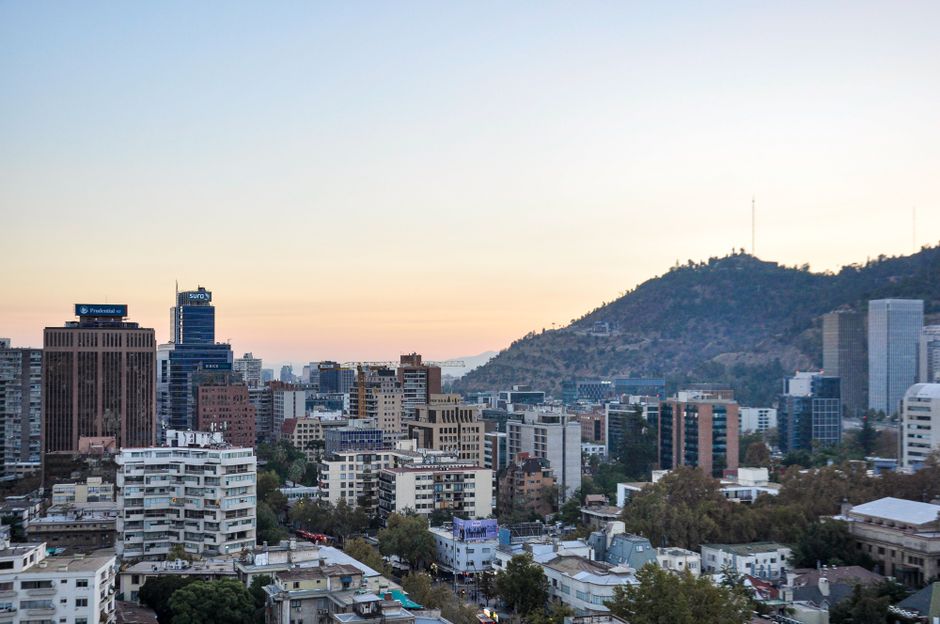
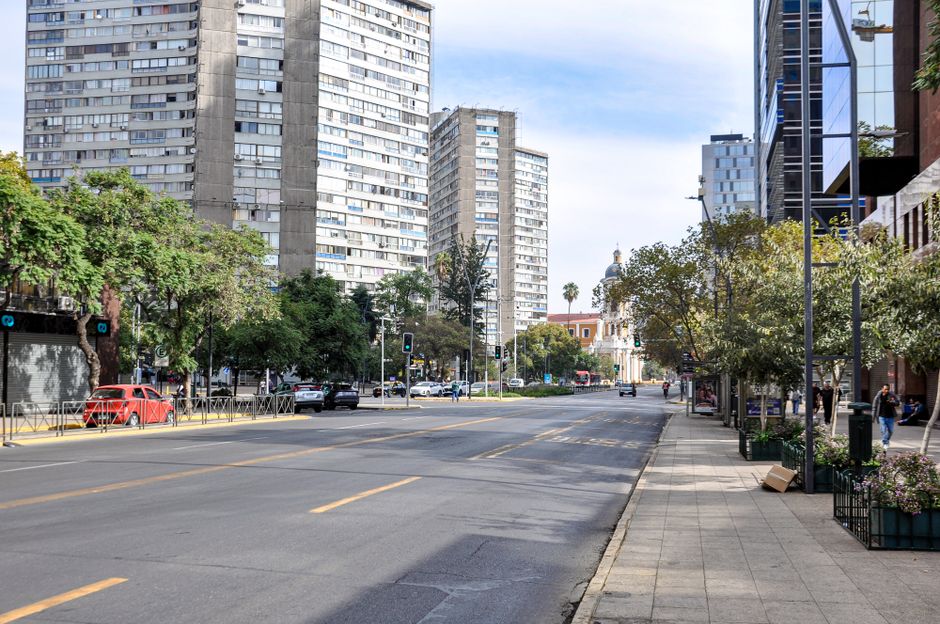
Santiago stands at a pivotal juncture in its public safety strategy. With reported incidents in the Estación Central and Recoleta districts up 34% year-on-year, city officials are grappling with three competing proposals that could fundamentally alter how emergency services operate across the metropolitan area by 2027.
The most contentious decision centres on the proposed unified emergency dispatch system, a €12 million investment championed by the Metropolitan Police Command. Currently, ambulance services, fire brigades, and police operate through separate 999 call centres—a fragmentation that emergency coordinators say costs critical minutes in life-or-death situations. The system would consolidate operations at a new facility planned for Ñuñoa, consolidating response protocols for the 5.2 million residents across greater Santiago.
However, the proposal has provoked pushback from the Independent Fire Service Union and several neighbourhood associations in Providencia and Las Condes, who worry about reduced local autonomy and longer response times in outlying areas. Response data from the Carabineros shows average emergency arrival times of 12.4 minutes citywide—well above the recommended 8-minute threshold for critical incidents.
A second proposal, backed by the Regional Government, favours a more modest pilot programme: implementing advanced GPS tracking and real-time data analytics across existing services without full consolidation. Estimated cost: €4.2 million over three years. This approach gained traction following successful trials in the Barrio Brasil precinct, where targeted patrols reduced street robbery by 28% over six months.
The third option—championed by civil society groups and community safety councils—prioritises enhanced community policing over technological investment. This would allocate additional resources to neighbourhood beat officers in high-crime areas including parts of La Florida and San Bernardo, where violent assaults remain concentrated.
City officials must decide by September on which direction to pursue, with budget allocations due by November. The choice will shape Santiago's safety infrastructure for at least a decade and determine how the city responds to evolving security threats in an increasingly complex urban environment.
What complicates matters further: international pressure. Diplomatic sources suggest European investors are conditioning infrastructure partnerships on demonstrable improvements in public safety metrics. The window for implementation is narrowing, and Santiago's leaders know that indecision carries its own risks.
This article was compiled by AI from the sources linked above and screened before publishing. See our editorial standards.