Santiago's Migration Hub Braces for Surge as Regional Crisis Deepens This Week
New arrivals from Venezuela and Pakistan strain services at Centro de Acogida while advocacy groups push for expanded resources.
New arrivals from Venezuela and Pakistan strain services at Centro de Acogida while advocacy groups push for expanded resources.
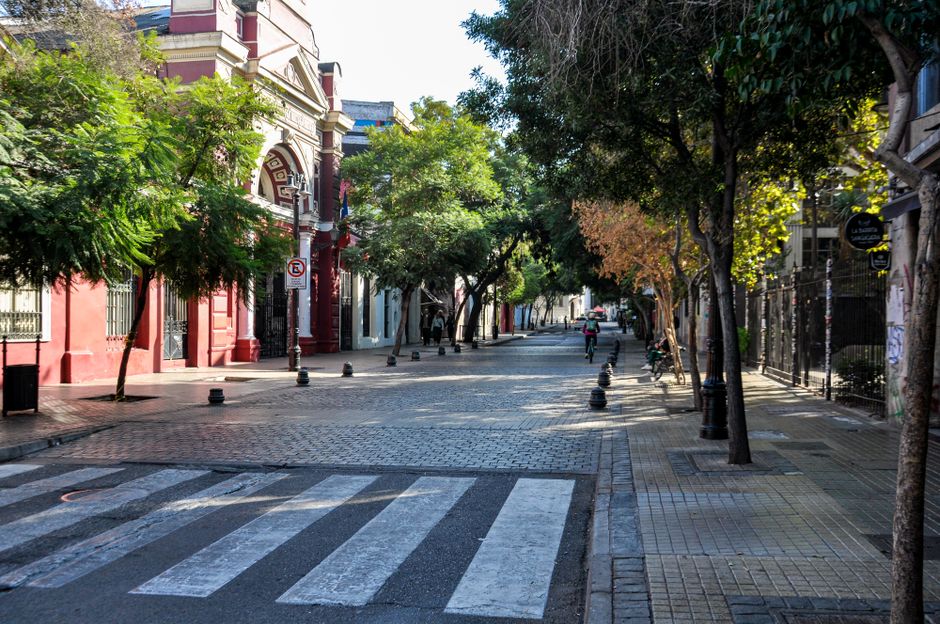
Santiago's migration support infrastructure faced mounting pressure this week as arrivals from crisis-affected regions surged, with Centro de Acogida reporting a 34% increase in new registrations compared to last week's daily average of 127 people.
The spike comes amid deteriorating conditions in Venezuela following seismic activity that has displaced thousands, and renewed instability in South Asia. Officials at the city's primary intake facility in the Recoleta neighbourhood confirmed that capacity concerns have prompted emergency protocols, with temporary accommodation now extending to the nearby Universidad Metropolitana gymnasium.
"We're seeing families with children, young adults, and elderly people arriving daily," said a spokesperson for Fundación Migrantes Santiago, which operates three community centres across the city. "The need for translation services, medical screening, and legal orientation has never been higher."
The organisation has expanded volunteer hours at its flagship location on Avenida Providencia, where walk-in services now operate until 8 p.m. daily. Local restaurants in the neighbourhood, including several Venezuelan-owned establishments along Calle Lastarria, have begun donating meals to the centre—a grassroots response mirroring similar efforts during previous migration waves.
Housing remains the most acute challenge. Real estate data shows rental prices in traditionally immigrant-friendly areas like Estación Central have climbed 12% over six months, with one-bedroom apartments averaging 385,000 pesos monthly. Community organisations are advocating for municipal intervention, with a petition to City Hall currently gathering signatures.
Integration programmes at Instituto de Lenguas have expanded their evening Spanish classes to accommodate increased demand. The institute reports nearly 450 enrollments this month alone—double the figure from June 2025. "Many arrive with professional qualifications but limited Spanish proficiency," explained an administrator. "These classes are often their first step toward employment."
Labour market integration shows mixed results. A survey by economic research group Fundación Futuro indicates that migrants in Santiago find work within an average of 8.3 weeks, though 60% initially accept positions below their skill level. Advocacy organisations are pushing local businesses to participate in formal hiring initiatives.
City council representatives have scheduled an emergency session for July 2 to discuss housing policy and service funding. Meanwhile, grassroots volunteer networks continue expanding, with the Santiago Migrant Support Network reporting 1,200 active volunteers across 23 neighbourhoods—a significant increase from 680 volunteers at this time last year.
This article was compiled by AI from the sources linked above and screened before publishing. See our editorial standards.
How does this story make you feel?
Spread the word
About this article
Published by The Daily Santiago
Daily brief
Free, in your inbox before 7am. Weekdays.
More in News