Santiago's Green Gamble: How Chile's Capital Stacks Up Against Global Climate Leaders
As major cities worldwide race to meet net-zero targets, Santiago is charting its own course—with mixed results that reveal both ambition and implementation gaps.
As major cities worldwide race to meet net-zero targets, Santiago is charting its own course—with mixed results that reveal both ambition and implementation gaps.
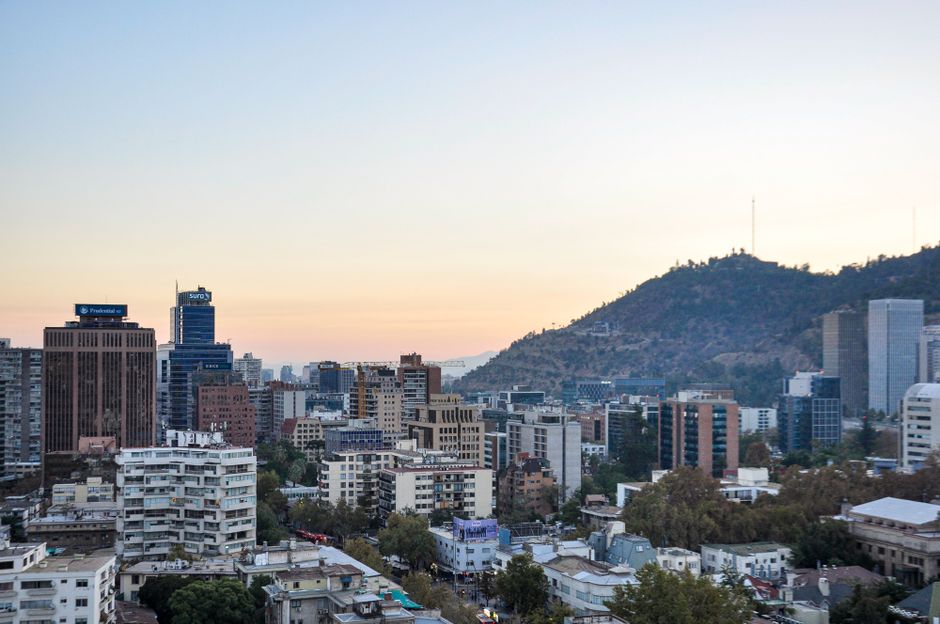
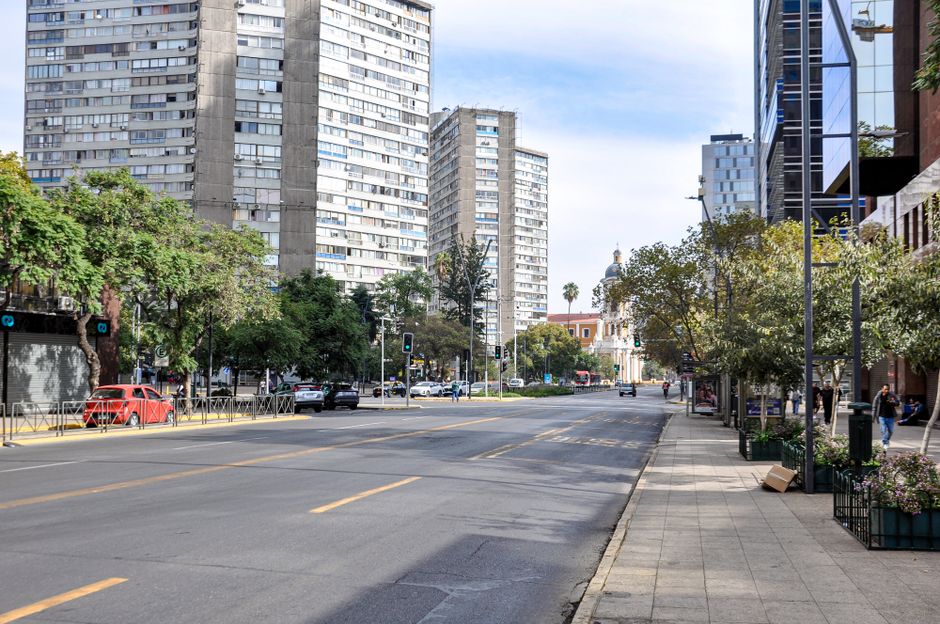
Walking through Parque Forestal on a clear winter morning, it's easy to forget that Santiago sits in one of the world's most polluted air basins. Yet the reality of the city's environmental challenges—and its efforts to address them—tells a more complicated story than leafy parks and climate pledges suggest.
The city has committed to becoming carbon-neutral by 2050, aligning with Paris Agreement targets. On paper, Santiago mirrors peers like Copenhagen and Barcelona. But implementation reveals significant disparities. While Copenhagen's cycling infrastructure spans over 500 kilometres, Santiago's bike lanes total roughly 280 kilometres, concentrated primarily in affluent neighbourhoods like Ñuñoa and Providencia. A month-long metro pass costs 35,000 Chilean pesos (approximately $38 USD)—cheaper than many European capitals—yet the system's expansion lags behind demand, leaving peripheral communities like La Pintana and Puente Alto dependent on polluting microbuses.
Where Santiago shows genuine promise is in renewable energy integration. The city sources approximately 45% of its electricity from renewables, slightly above Berlin's 40% and approaching Madrid's 50%. Solar installations on rooftops in Las Condes have tripled since 2022, driven partly by government incentives that offset initial costs by up to 20%.
The city's waste management strategy reveals starker gaps. While cities like Stockholm export zero waste to landfills through sophisticated recycling programs, Santiago still directs roughly 60% of its waste to landfills, primarily in outlying regions. Community initiatives like the sorting centres in Quinta Normal have gained traction, but they operate on limited municipal funding compared to equivalent programs in Vancouver or Melbourne.
Water scarcity presents perhaps Santiago's most urgent test. The Andes snowpack that feeds the city has declined 30% over two decades. Authorities have implemented stricter irrigation regulations and invested in desalination plants—a strategy also deployed in arid cities like Perth and Tel Aviv. Yet Santiago's approach remains reactive rather than preventive, lacking the comprehensive watershed management plans pioneered in cities like Melbourne.
Municipal leadership acknowledges these gaps. Recent investments in the La Vega neighbourhood's urban garden initiative and plans to expand green spaces in lower-income districts suggest shifting priorities. Still, compared to cities like Singapore—which mandates green roofs on all new commercial buildings—Santiago's regulations remain voluntary and incentive-based.
The challenge for Santiago isn't vision. It's closing the distance between ambition and execution, ensuring that sustainability benefits all residents, not just those in wealthy neighbourhoods with metro access and disposable income for solar panels.
This article was compiled by AI from the sources linked above and screened before publishing. See our editorial standards.
How does this story make you feel?
Spread the word
About this article
Published by The Daily Santiago
Daily brief
Free, in your inbox before 7am. Weekdays.
More in News