Santiago's Green Pivot: How Chile's Capital Stacks Up Against Global Climate Leaders
As the city expands its metro system and tackles air pollution, experts say Santiago is catching up—but still lags behind peers in Europe and Asia.
As the city expands its metro system and tackles air pollution, experts say Santiago is catching up—but still lags behind peers in Europe and Asia.
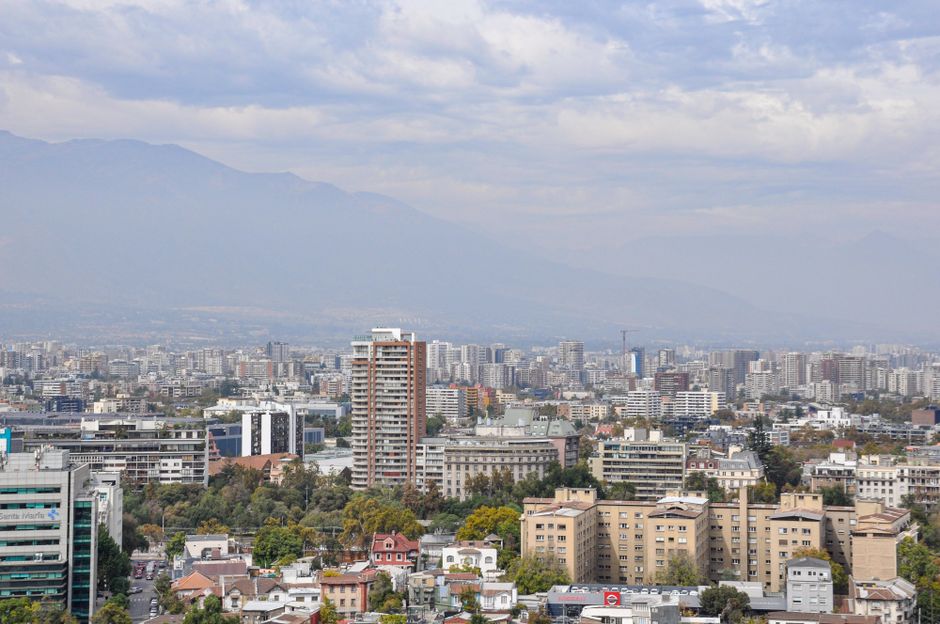
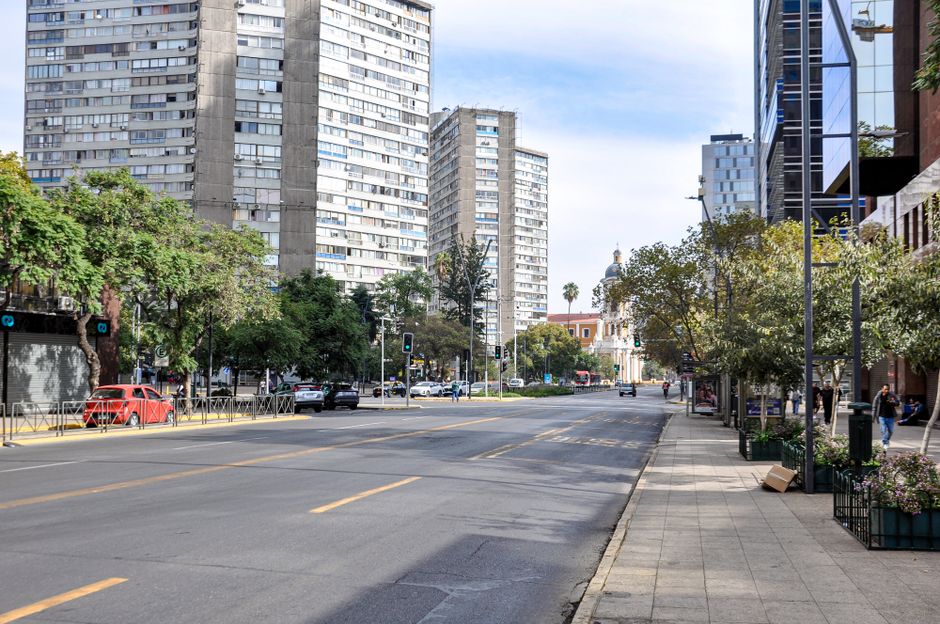
Walking through Parque Forestal on a clear winter morning, it's easy to forget that Santiago was once synonymous with some of the worst air quality in Latin America. Yet the city's environmental transformation remains incomplete—a reality starkly illustrated when comparing progress against global counterparts like Copenhagen, Singapore, and Mexico City.
Santiago's centerpiece sustainability project is undeniably ambitious. The extension of Metro Line 3 through the densely populated Las Condes and Providencia neighbourhoods aims to remove 50,000 daily car journeys from the capital's streets by 2028. By contrast, Mexico City—facing comparable geographic and demographic challenges—has already expanded its metro to 226 kilometres. Santiago's current network sits at 140 kilometres, with planners targeting 200 by decade's end.
The city's air quality index has improved markedly since 2015, when hazardous smog regularly forced school closures. Today, readings rarely exceed 150 on bad days; in 2020, the annual average was 68—respectable by regional standards but notably higher than Singapore's average of 35 or Berlin's 28. Santiago's geography—hemmed by the Andes and the coastal range—traps pollution, a challenge that no amount of transit expansion alone can solve.
Where Santiago shows surprising strength is renewable energy adoption. The Atacama Desert project, just north of the capital, now supplies approximately 12% of the city's power through solar farms. That's ahead of many European capitals proportionally, though trailing Denmark's 80% wind energy target by 2030.
Waste management tells a different story. While cities like Tokyo and Amsterdam have achieved 50% waste diversion rates through aggressive recycling programs, Santiago manages only 18% according to municipal data released last year. A new composting facility opened in Quinta Normal in 2024, but capacity remains insufficient for a metropolitan area of 6 million people. A family of four in central Santiago pays roughly 35,000 Chilean pesos monthly for waste collection—significantly less than Copenhagen's equivalent (around 200 Danish kroner), suggesting infrastructure investment remains underfunded.
City officials point to the Ley de Responsabilidad Extendida del Productor (Extended Producer Responsibility Law) as transformative, yet implementation has lagged behind comparable legislation in EU nations. Meanwhile, green space per capita—a metric where Copenhagen leads at 5.8 square metres—stands at 3.2 in Santiago, despite recent initiatives to expand urban gardens in neighbourhoods like San Bernardo.
The consensus among environmental economists is clear: Santiago is moving in the right direction but cannot afford complacency. Without accelerated investment matching European or Asian-Pacific peers, the city risks remaining a regional leader that never quite reaches global standards.
This article was compiled by AI from the sources linked above and screened before publishing. See our editorial standards.
How does this story make you feel?
Spread the word
About this article
Published by The Daily Santiago
Daily brief
Free, in your inbox before 7am. Weekdays.
More in News