Santiago residents demand action as crime forces businesses to shutter across historic districts
Community members in Lastarria and Ñuñoa speak out about security fears reshaping daily life and commercial activity in the capital.
Community members in Lastarria and Ñuñoa speak out about security fears reshaping daily life and commercial activity in the capital.
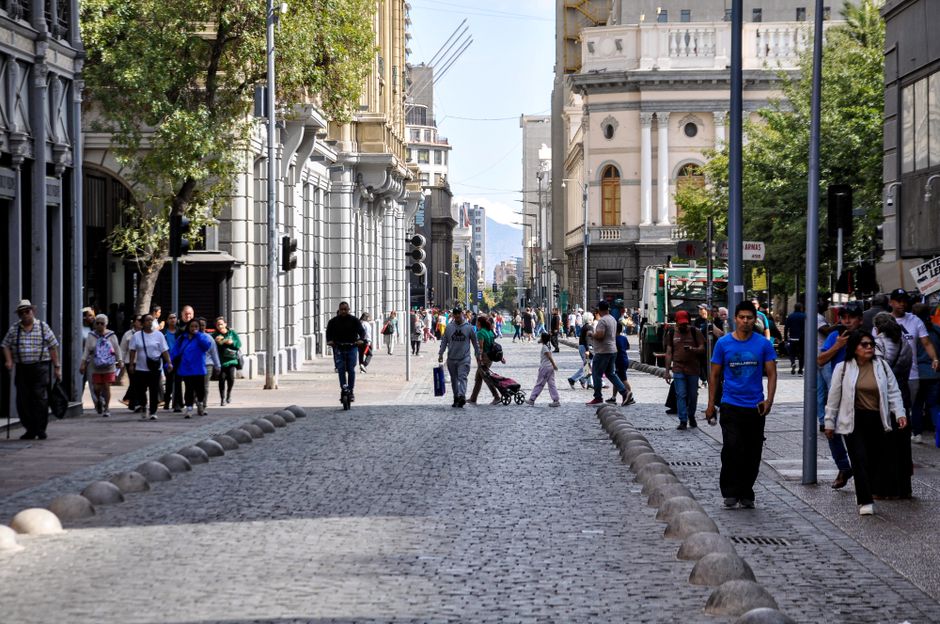
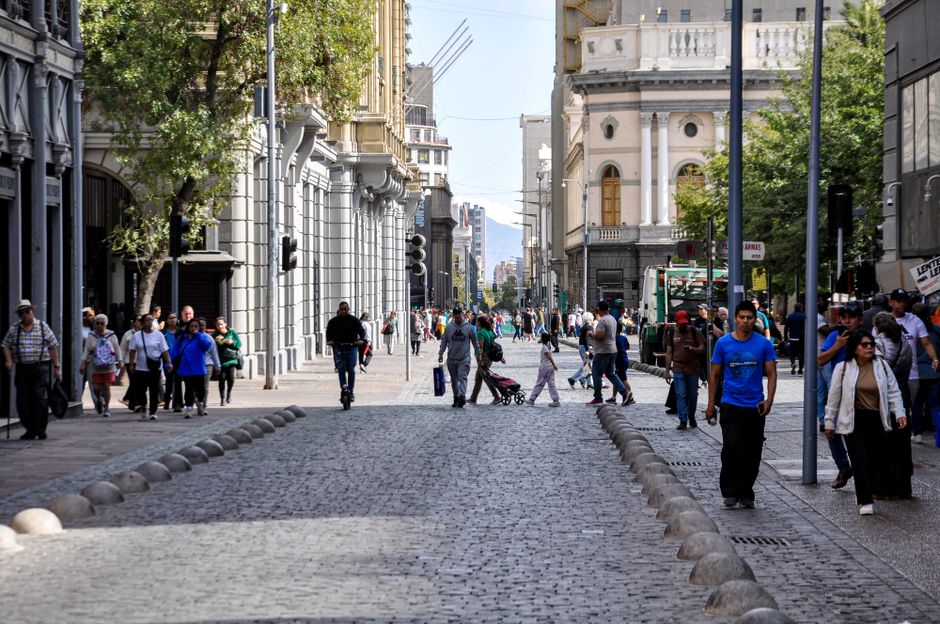
Merchants and residents across Santiago's central neighbourhoods are increasingly vocal about their frustration with rising crime, describing a deterioration in public safety that is forcing difficult decisions about where they work, shop, and move their families.
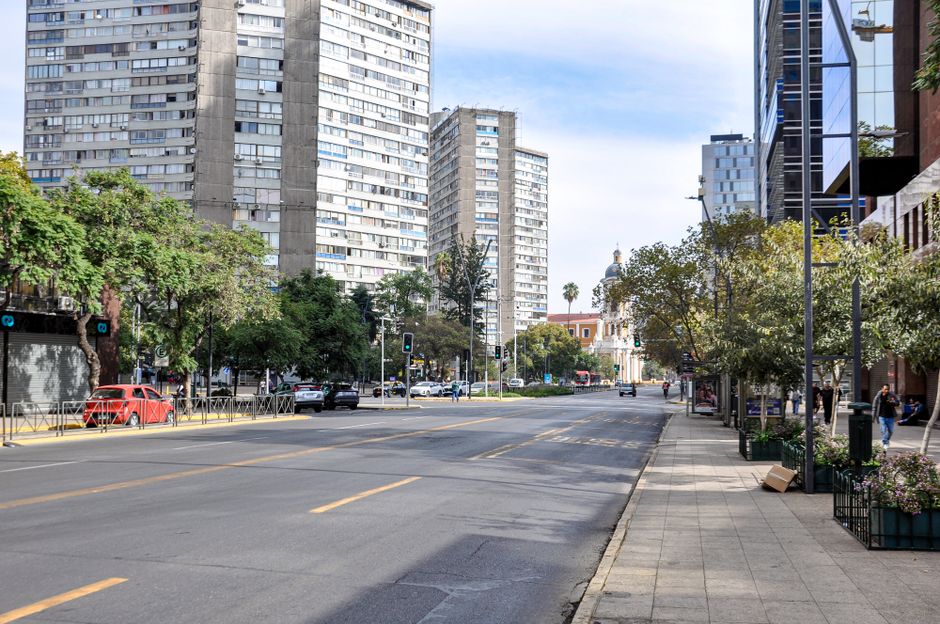
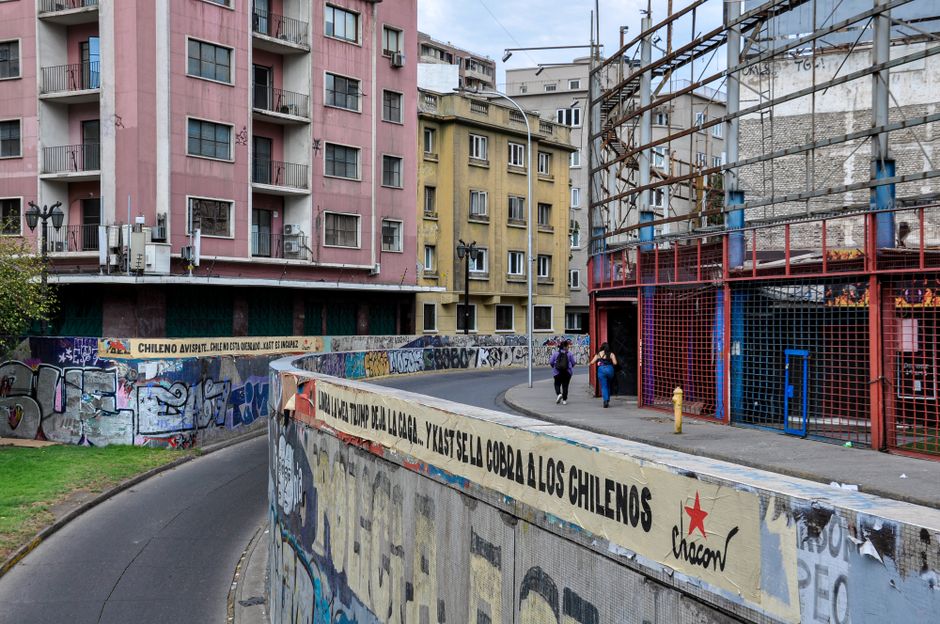
In the Lastarria district, where independent bookstores and cafés have long anchored the cultural identity of the neighbourhood, several business owners report theft incidents have tripled over the past eighteen months. Local residents gathered at the Biblioteca de Santiago last week expressed concerns about muggings near Metro Bellas Artes station, with some citing statistics from neighbourhood watch groups indicating seventeen reported robberies in May alone—a sharp increase from previous years.
"People are changing their routines," said one community leader who has organised safety meetings in the area. "Parents are avoiding evening visits to cultural venues. That affects our whole ecosystem." The sentiment reflects broader anxieties: a 2026 municipal survey found 64% of Santiago residents in central districts now perceive crime as a "significant daily concern," up from 47% two years prior.
In Ñuñoa, residents have established informal neighbourhood patrols along Avenida Ñuble and surrounding residential blocks, coordinating through WhatsApp groups to report suspicious activity. One group spokesperson noted they've documented increased foot traffic from known trafficking areas, with several residents requesting better street lighting and more visible police presence near schools and parks.
The economic ripple effects are tangible. Several small business owners on Calle Dardignac report declining foot traffic after dark, with some reducing evening hours or closing entirely by 8 p.m. One restaurant owner estimates lost revenue of approximately 18% since implementing earlier closing times—a difficult trade-off between security and viability.
Emergency services, meanwhile, face their own pressures. Carabineros report responding to an average of forty incidents daily across central Santiago—a 31% increase from 2024 figures—straining resources and response times. Community members acknowledge these constraints while pushing for enhanced coordination between local police, municipal authorities, and neighbourhood organisations.
City hall has announced plans for expanded CCTV coverage in high-crime areas and additional foot patrols beginning July, though residents remain cautiously skeptical about implementation timelines. Several community organisations are calling for sustained dialogue with authorities, insisting that meaningful change requires ongoing collaboration rather than reactive measures.
"We love this city," one longtime Lastarria resident emphasised. "We're not asking for perfection—we're asking for our neighbourhoods to feel like ours again."
This article was compiled by AI from the sources linked above and screened before publishing. See our editorial standards.
How does this story make you feel?
Spread the word
About this article
Published by The Daily Santiago
Daily brief
Free, in your inbox before 7am. Weekdays.
More in News