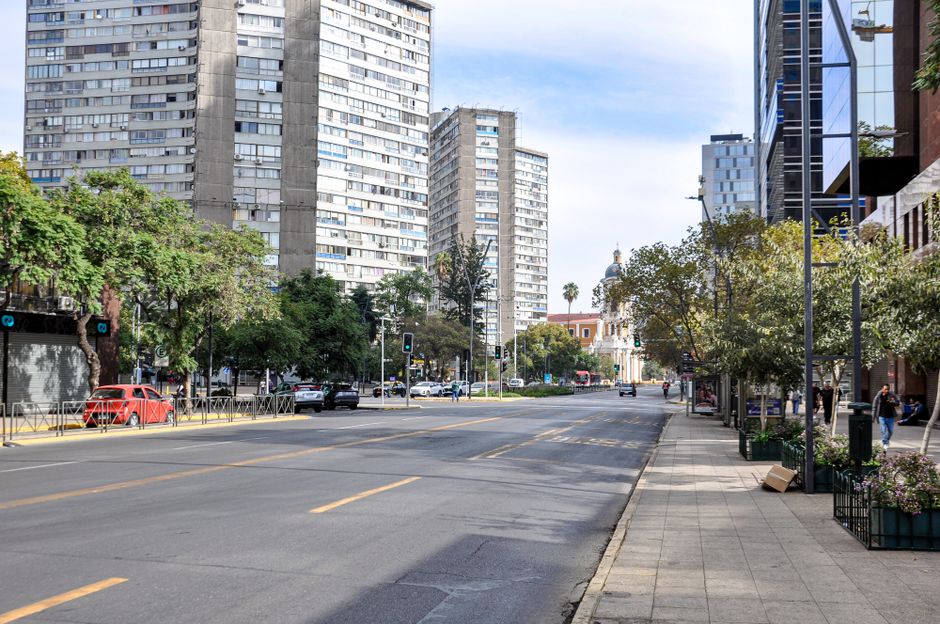
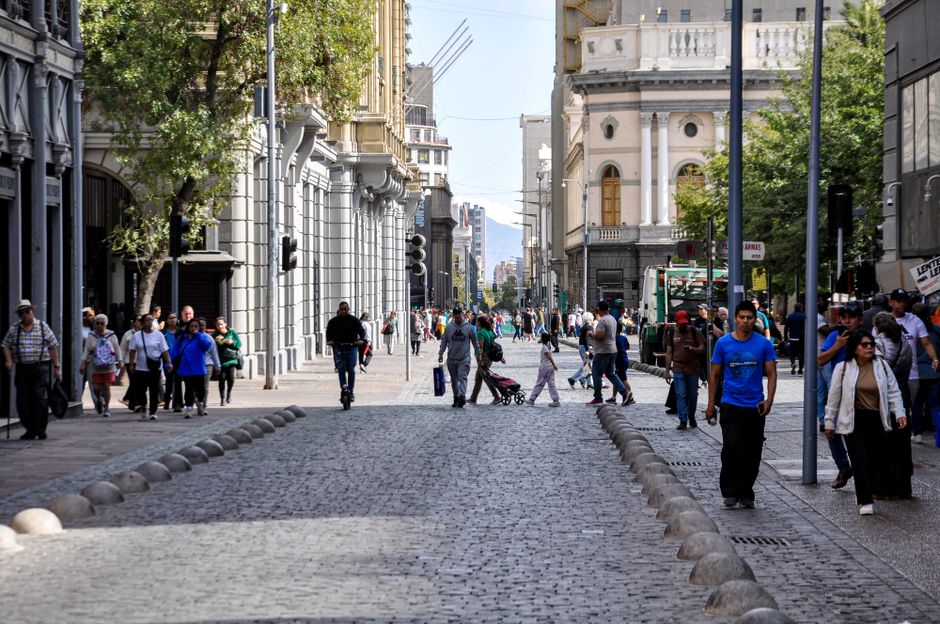
Santiago stands at a critical juncture. The proposed Metro Line 7 extension to Maipú remains trapped in environmental review limbo, while the anticipated Bus Rapid Transit corridor through Alameda—the city's central artery—has seen its completion date pushed back twice in eighteen months. For a metropolitan area of over 7 million people, these delays are far more than bureaucratic inconveniences.
The most immediate decision concerns funding architecture. Municipal authorities must choose between three competing models: a public-private partnership that could accelerate Metro Line 7's completion by 2028 but saddle the system with higher operational costs; a purely public bond offering that preserves control but extends timelines to 2030; or a hybrid approach channelling resources from congestion pricing—a politically volatile option that polls suggest only 38% of commuters support. The numbers matter: current projections estimate the Line 7 extension alone will cost between 2.1 and 2.8 billion pesos depending on the model selected.
Second, planners must resolve the Alameda Bus Rapid Transit routing dispute. The original design favoured dedicated lanes consuming street space in the Lastarria neighbourhood, triggering fierce resistance from shopkeepers already weathering post-pandemic recovery. An alternative proposal would use existing infrastructure through less visible corridors in La Florida and San Bernardo, potentially serving fewer commuters but avoiding local opposition. The decision cabinet meets July 15 to decide, and timing is critical—permitting alone consumes six months.
The third pressure point involves the aging Metro fleet. Approximately 40% of the system's rolling stock exceeds fifteen years old, and technical failures disrupted service on Line 2 (connecting downtown to eastern suburbs) on forty-seven occasions last year. Transport officials must decide whether to commit 1.3 billion pesos to refurbishing existing trains or bite the bullet with a 3.8 billion peso investment in entirely new Japanese-manufactured units. Refurbishment offers quick relief; new acquisitions promise reliability for two decades but require immediate appropriation.
Beyond these technical choices lies a deeper question about Santiago's transport philosophy. Should the city prioritize completing fragmented metro spokes, or consolidate existing infrastructure? Does it embrace bus rapid transit as a cost-effective complement, or view it as a second-class alternative that reinforces inequality across neighbourhoods?
The answers will arrive over the next sixty days. The Metropolitan Council's August plenary session will rubber-stamp these decisions, transforming them from options into concrete timelines. For Santiaguinos grinding through daily commutes averaging forty-eight minutes, the clock is running.
This article was compiled by AI from the sources linked above and screened before publishing. See our editorial standards.