Santiago City Council Charts Course on Transport Crisis: This Week's Key Decisions
Municipal leaders approve emergency funding for metro repairs while neighbourhood groups push back on new development plans along the Mapocho corridor.
Municipal leaders approve emergency funding for metro repairs while neighbourhood groups push back on new development plans along the Mapocho corridor.
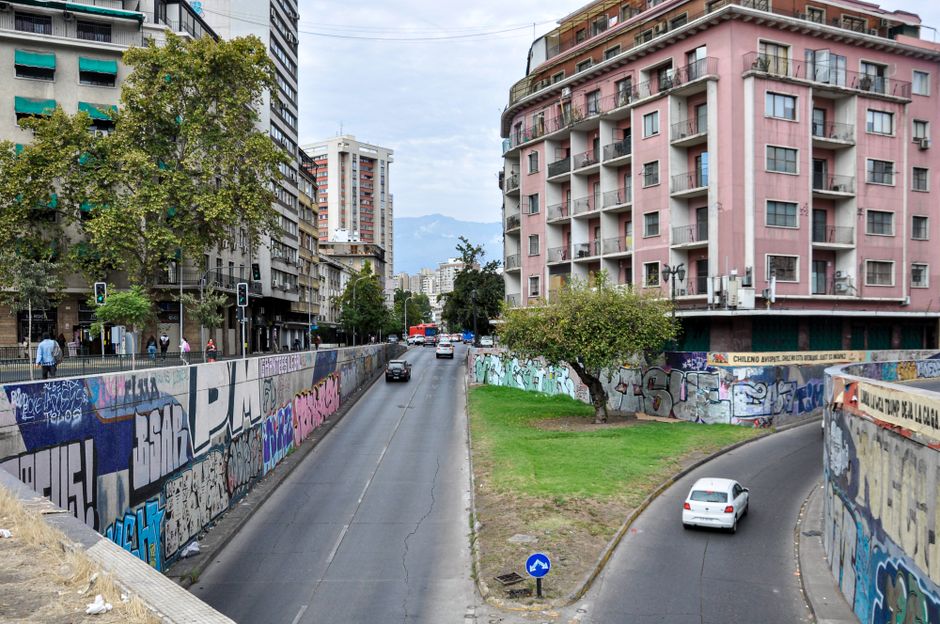
Santiago's municipal government faced mounting pressure this week as the city council convened for its weekly session, tackling everything from deteriorating public transport infrastructure to contentious zoning proposals that have inflamed residents across multiple neighbourhoods.
The most significant development came Tuesday when councillors unanimously approved an emergency allocation of 2.8 billion pesos for accelerated repairs to the Metro Line 2 tunnel sections beneath Alameda Avenue. The funding addresses critical maintenance backlogs identified in a May infrastructure audit, with work expected to commence in July. Transit officials estimate the repairs could restore normal service capacity by mid-August, potentially reducing current wait times that have stretched to 18 minutes during peak hours.
"This is a necessary investment in the city's circulatory system," said the municipal transport directorate in a statement, acknowledging what commuters have long complained about—aging infrastructure straining under daily demand from nearly 2 million Metro users.
However, the week's most contentious debate centred on a proposed mixed-use development project along the Mapocho riverfront near Lastarria. City planners presented preliminary designs for a 45-hectare regeneration scheme involving residential towers, commercial spaces, and public parks. The proposal immediately drew fire from the Lastarria Residents' Association and environmental groups concerned about impacts on the river ecosystem and the neighbourhood's cultural character. Over 400 residents attended Thursday's public hearing, with many raising concerns about traffic impacts on narrow surrounding streets and the potential for gentrification-driven displacement.
The council postponed voting on the project until mid-July, requesting additional environmental impact assessments and neighbourhood consultation sessions. This represents a rare procedural victory for grassroots opposition movements that have struggled to influence major city planning decisions in recent years.
Separately, a dispute between the Metropolitan Superintendent's office and three municipal districts over water management fees dominated Friday's session. Neighbourhoods including parts of Las Condes, Ñuñoa, and San Isidro face increased charges following a water authority decision to reform pricing structures. Municipal leaders demanded the increase be staggered over two years rather than implemented immediately, citing household budget pressures amid inflation running at 4.2 percent nationally.
Looking ahead, next week's agenda includes discussions on expanding bicycle lane networks in central zones and a report on homelessness support programmes across municipal shelters. The council will reconvene Tuesday morning at the municipal building on Teatinos Street.
This article was compiled by AI from the sources linked above and screened before publishing. See our editorial standards.
How does this story make you feel?
Spread the word
About this article
Published by The Daily Santiago
Daily brief
Free, in your inbox before 7am. Weekdays.
More in News