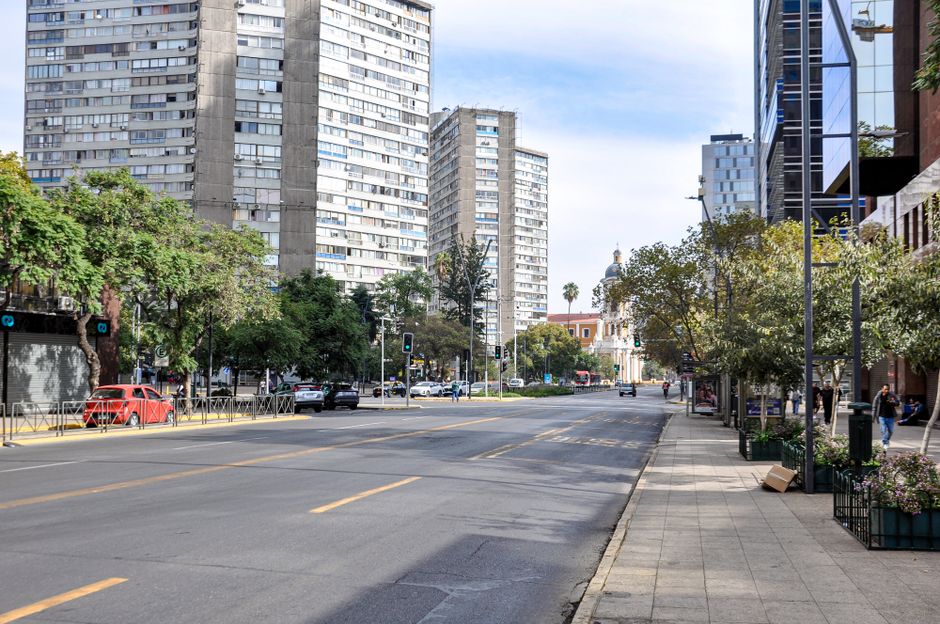
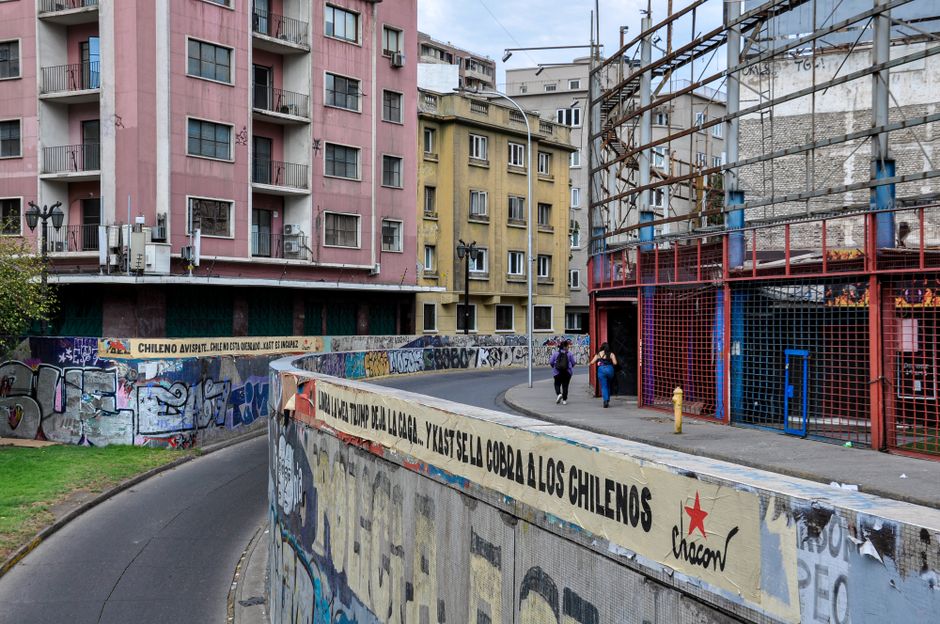
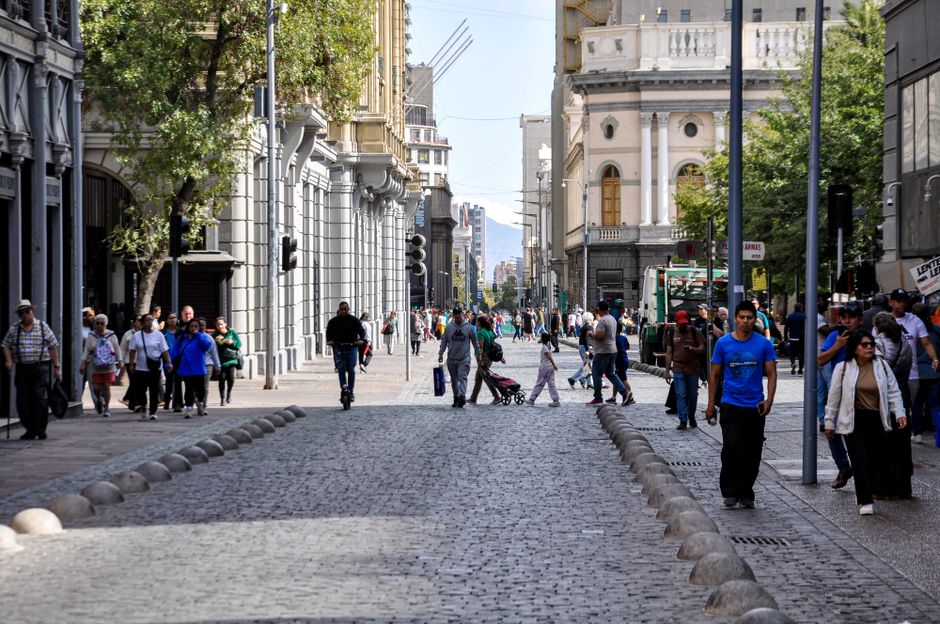
Santiago's Centro district is unrecognisable from five years ago. Walk down Avenida Libertador any evening and you'll hear Mandarin, Portuguese, Haitian Creole, and Arabic layered over Spanish. The transformation reflects a broader reality: migration into the city has accelerated sharply, with official figures showing a 34% increase in new arrivals over the past two years alone.
But beneath the cultural vitality lies a tension that city administrators, housing advocates, and community leaders can no longer ignore. The decisions made in the next six to twelve months will determine whether Santiago becomes a genuinely integrated multicultural hub or fractures into segregated enclaves marked by economic desperation.
The arithmetic is stark. Housing costs in traditionally immigrant neighbourhoods like La Pintana and San Ramón have risen 18% annually since 2024. A one-bedroom apartment that rented for 450,000 pesos two years ago now costs 630,000. Meanwhile, arrival numbers show no signs of slowing, with Venezuelan, Pakistani, and West African communities among the fastest-growing groups seeking residence.
Three critical decisions loom. First: will the municipal government fund new integration programmes beyond the NGO-dependent model that currently prevails? Organisations like the Casa del Migrante on Calle Teatinos handle intake and language training with skeleton crews and donor fatigue setting in. Second: can Santiago's school system absorb the influx of children whose first language isn't Spanish without gutting services for established communities? Third: what housing strategy will prevent the emergence of sprawling informal settlements on the city's periphery?
The Sernac consumer protection office has already fielded complaints about predatory housing practices targeting migrants unfamiliar with tenancy law. Labour inspectors report wage theft in construction and hospitality sectors where migrant workers cluster. These are symptoms of a system under stress and lacking clear guardrails.
Some progress exists. The recent expansion of the Oficina de Acción Social in Estación Central now offers documentation support and employment screening in four languages. Universidad de Santiago's new migrant integration study programme—launching this autumn—promises applied research on settlement patterns. Yet these initiatives feel scattered against the scale of change.
Community leaders from both established and newly arrived neighbourhoods acknowledge the moment. Without coordinated planning on housing, education funding, and labour enforcement, goodwill alone won't hold. Santiago's multicultural character is already a fact. What happens next depends entirely on whether the city's institutions can match that reality with resources and strategy.
This article was compiled by AI from the sources linked above and screened before publishing. See our editorial standards.