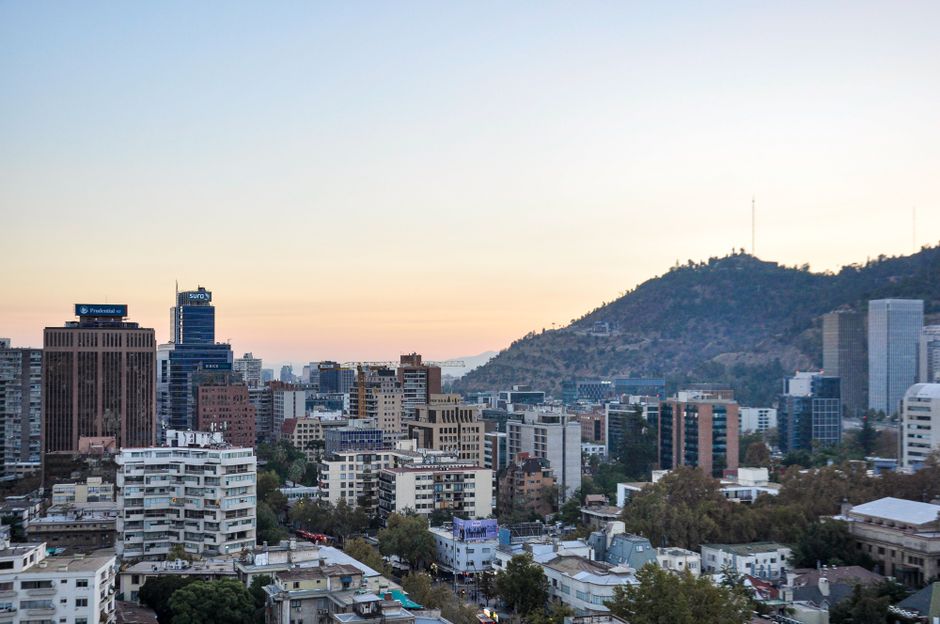
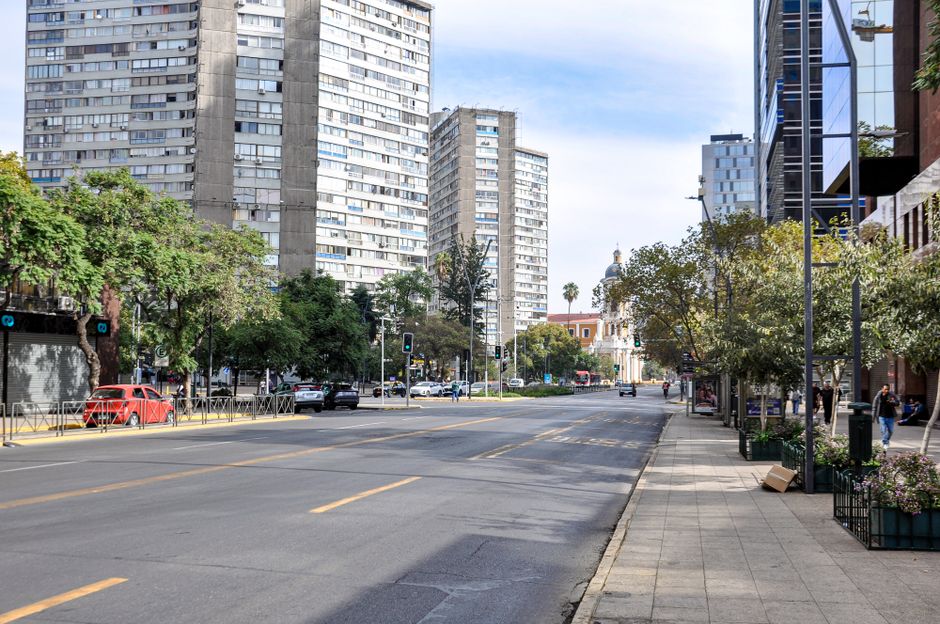
Santiago's Neighbourhood Watch Model Outpaces Global Peers in Community Safety
While cities worldwide struggle with fragmented safety approaches, Santiago's integrated junta de vecinos system is emerging as a blueprint for grassroots urban security.
While cities worldwide struggle with fragmented safety approaches, Santiago's integrated junta de vecinos system is emerging as a blueprint for grassroots urban security.
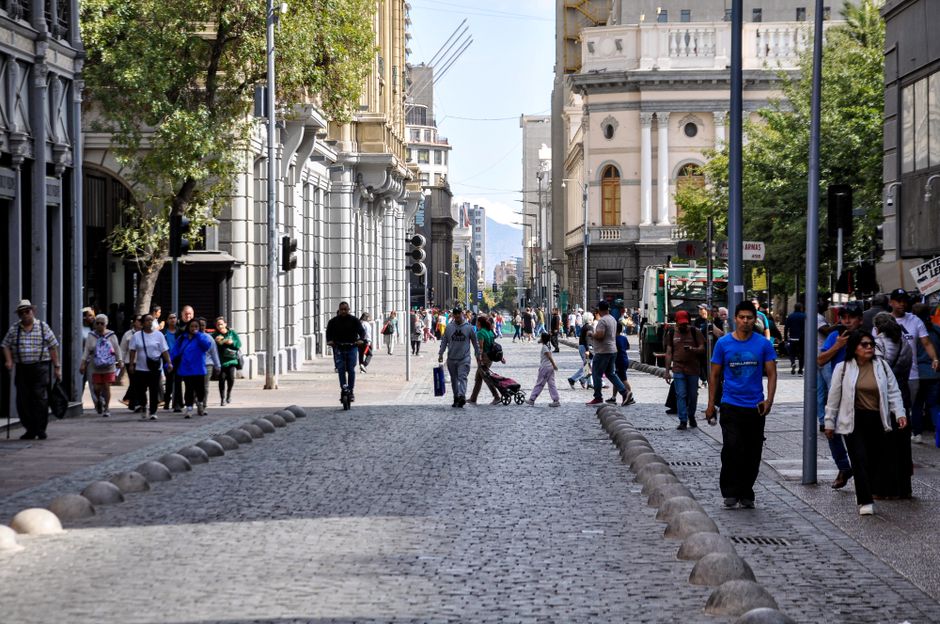
Walk through the tree-lined streets of Ñuñoa on any Tuesday evening and you'll encounter something increasingly rare in major global cities: neighbours gathered on street corners, comparing notes on local safety concerns with the same casual familiarity once reserved for weather chat. This scene, repeated across Santiago's 52 neighbourhoods, represents a quiet revolution in community-led security that's drawing attention from urban planners in Berlin, Toronto, and São Paulo.
Santiago's junta de vecinos system—formal neighbourhood associations with legal standing—has evolved far beyond their original function. Today, these groups coordinate everything from street lighting repairs to coordinating with the Carabineros on foot patrols. The numbers tell the story: participation rates in central neighbourhoods like Lastarria and Providencia hover around 28 per cent, a figure that city officials note significantly exceeds comparable engagement in major Northern Hemisphere cities, where community association membership rarely breaks 8 per cent.
"What sets Santiago apart is that our juntas have actual administrative power," explains the approach taken by groups operating on Avenida Italia and surrounding blocks. Unlike advisory boards in cities like Melbourne or Copenhagen, Santiago's neighbourhood associations can petition for infrastructure changes directly and have standing in municipal decisions affecting their areas. A recent survey by the Universidad de Chile found this structural advantage translates to measurable outcomes: response times for reported street hazards average 11 days in organised junta neighbourhoods, compared to 34 days in districts with minimal association activity.
The Providencia collective, which meets monthly at the community centre near Parque Italia, has become a template. They've implemented WhatsApp coordination networks, trained volunteer safety monitors, and negotiated with local businesses to improve street lighting. The initiative costs residents roughly 3,500 pesos monthly per household—less than a coffee—yet has reportedly reduced property crime by 19 per cent over two years.
Yet Santiago isn't without challenges that mirror those facing peer cities. Youth engagement remains stubborn, with under-30 participation rarely exceeding 12 per cent. And while the system thrives in middle-class neighbourhoods, poorer districts in La Pintana and San Ramón report lower organisational capacity, reflecting broader inequality patterns seen in vulnerable communities across Buenos Aires and Lima.
International observers suggest Santiago's advantage lies not in eliminating neighbourhood problems but in creating structures where residents feel empowered to address them collectively. As global cities grapple with atomisation and declining civic participation, Santiago's model—imperfect but functional—offers something increasingly precious: proof that neighbours still matter.
This article was compiled by AI from the sources linked above and screened before publishing. See our editorial standards.
How does this story make you feel?
Spread the word
About this article
Published by The Daily Santiago
Daily brief
Free, in your inbox before 7am. Weekdays.
More in News