By the Numbers: What Data Reveals About Santiago's Neighbourhood Renewal
A new city-wide survey shows how investment patterns in Providencia, Ñuñoa and Maipú are reshaping neighbourhoods across Santiago.
A new city-wide survey shows how investment patterns in Providencia, Ñuñoa and Maipú are reshaping neighbourhoods across Santiago.
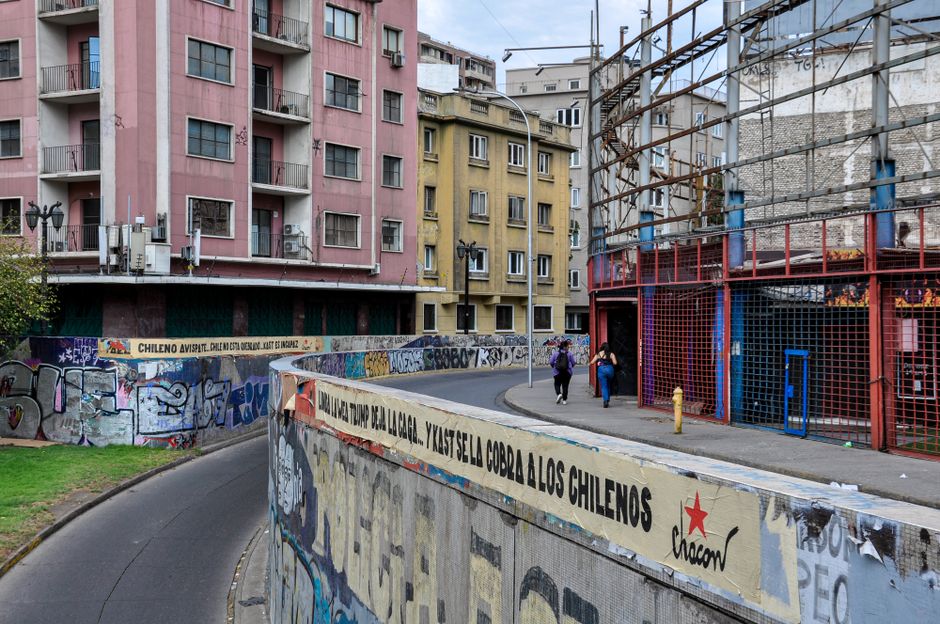
A comprehensive neighbourhood audit released this week by the Santiago Municipal Development Office paints a striking picture of how investment and demographic shifts are reshaping the capital's residential fabric. The data, covering 34 of Santiago's key neighbourhoods, offers insights into which areas are thriving and which are being left behind.
The figures tell a compelling story. In Providencia, property values have climbed 34% over the past three years, while new business registrations in the neighbourhood reached 287 establishments in 2025—a 12% increase from 2023. Meanwhile, foot traffic on Avenida 11 de Septiembre increased by 19% year-on-year, according to municipal sensors tracking pedestrian movement.
But the renewal isn't uniform. In Maipú, investment has followed different patterns. The city's expansion programme along Avenida Américo Vespucio created 450 new retail jobs, yet residential turnover remained relatively stable at 8.2% annually. By contrast, Ñuñoa experienced a 22% spike in residential turnover, suggesting demographic churn as younger professionals move in and longer-term residents relocate.
The data extends to community engagement. Parks usage monitoring showed Parque Forestal received 156,000 visitors monthly in 2025, up from 98,000 in 2022. Community centres across Santiago reported 42% higher participation in local activities compared to 2024, with arts and sports programmes showing the strongest growth at 56% and 48% respectively.
Housing affordability metrics present a more complex picture. Average rents in central neighbourhoods climbed to 850,000 pesos for a two-bedroom apartment, while peripheral areas like La Florida remained more accessible at 520,000 pesos. Yet applications for municipal housing assistance in outer neighbourhoods increased 31% between 2024 and 2026, suggesting growing pressure on lower-income residents.
Public transport data underscores neighbourhood connectivity. Metro Line 1 stations near Baquedano and Los Héroes recorded 287,000 daily boardings during peak periods, making them among the city's busiest interchange points. Bus rapid transit routes expanded their coverage by 14 kilometres, bringing service to previously underserved areas around Quinta Normal.
Perhaps most telling: neighbourhood perception surveys showed 67% of residents across Santiago believe their area has improved materially over three years, though satisfaction varied dramatically—85% in Providencia versus 54% in outer districts. These numbers suggest that while Santiago's renewal is real, its benefits remain unevenly distributed, reflecting broader patterns of urban inequality that city planners must now address.
This article was compiled by AI from the sources linked above and screened before publishing. See our editorial standards.
How does this story make you feel?
Spread the word
About this article
Published by The Daily Santiago
Daily brief
Free, in your inbox before 7am. Weekdays.
More in News