"We've Lost Our Neighbourhood": Santiago Residents Grapple with Metro Line 7 Expansion
As construction crews reshape the Ñuñoa district, local voices reveal the human cost of the city's ambitious transport overhaul.
As construction crews reshape the Ñuñoa district, local voices reveal the human cost of the city's ambitious transport overhaul.
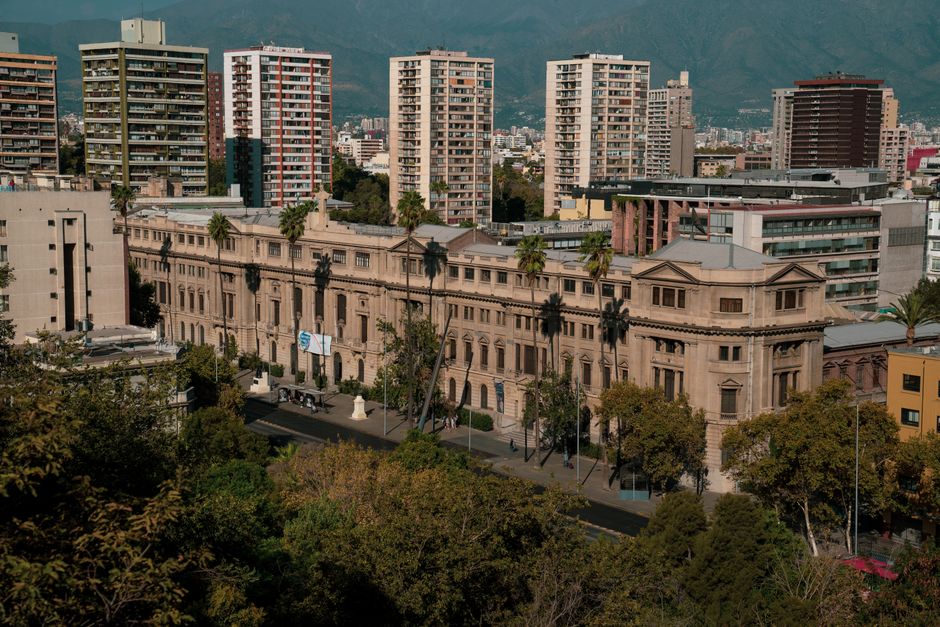
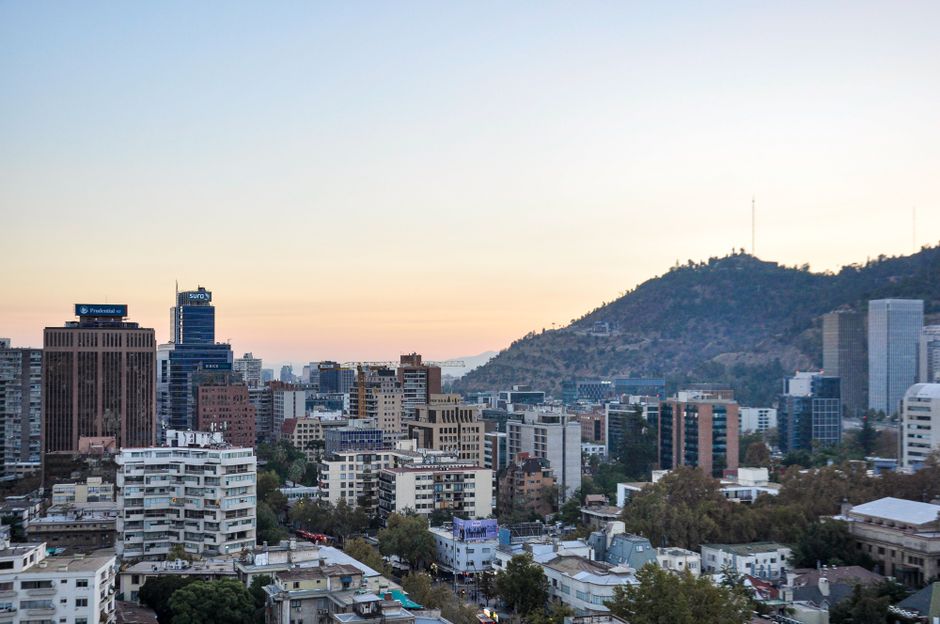
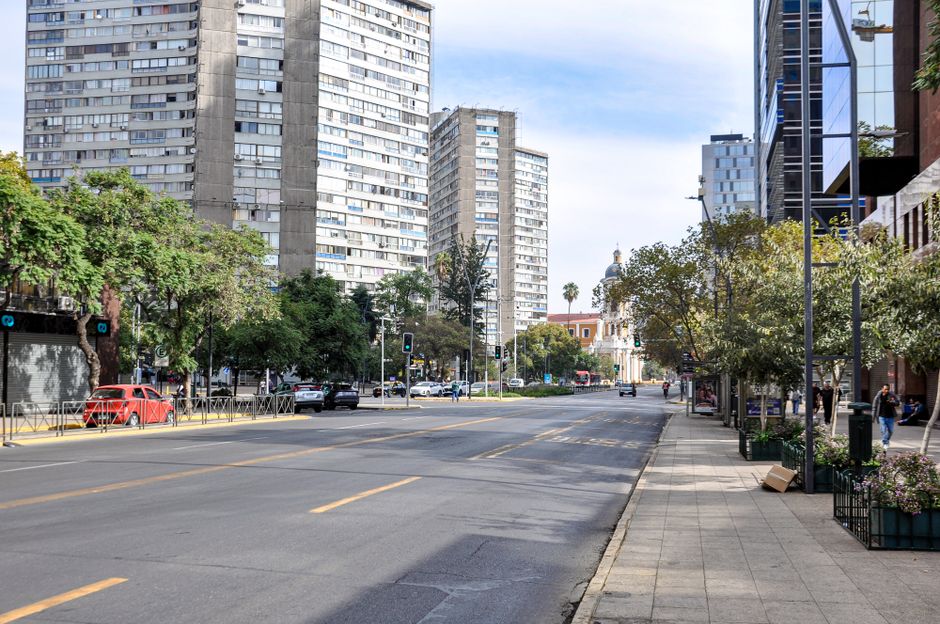
For three years, María Elena Cortés has watched the street outside her family home on Avenida Irarrázaval transform into a construction site. The Metro Line 7 expansion—designed to connect eastern Santiago to the city centre by 2028—has reshaped daily life for thousands of residents in Ñuñoa, Providencia, and Las Condes, raising questions about whether infrastructure progress must come at such a community cost.
The 23-kilometre extension promises to reduce commute times by up to 40 minutes for an estimated 280,000 daily users by 2029. Yet residents living along the corridor tell a different story: one of noise beginning before dawn, dust settling on every surface, and businesses struggling to survive amid years of reduced foot traffic.
"They promised this would be temporary," said Cortés, whose small bookshop on the avenue has seen customer numbers decline by nearly 60 per cent since excavation began in 2023. "But temporary has become a way of life. My neighbours have given up. Some have already left." The local Ñuñoa business association reported in May that 47 commercial establishments along the construction corridor had permanently closed.
The Metro authority estimates the project will cost 2.8 billion pesos, with completion delayed twice—now scheduled for late 2028. Officials point to unforeseen geological challenges beneath Parque Bustamante as the primary cause, though residents say communication about timelines has been minimal.
Some community members acknowledge the broader benefits. Patricio González, who teaches at Colegio Nuestro Mundo near Los Leones station, noted that younger commuters from outer districts will eventually gain faster access to jobs and education in the city centre. "Once it's finished, this will change mobility for the whole eastern zone," he said. "But that doesn't make the waiting easier."
The Metropolitan Housing Association has pressed the city council for increased compensation packages for affected businesses, pointing to similar delays that plagued Line 6's opening in 2017. The authority has distributed 850 million pesos in relief funds, though business owners argue this covers only a fraction of their losses.
As excavation continues along Avenida Providencia, residents remain divided between frustration at present conditions and cautious optimism about future connectivity. The Metro Line 7 represents Santiago's commitment to expanding public transport, but for those living through its construction, the promise of 2028 completion feels increasingly distant.
This article was compiled by AI from the sources linked above and screened before publishing. See our editorial standards.
How does this story make you feel?
Spread the word
About this article
Published by The Daily Santiago
Daily brief
Free, in your inbox before 7am. Weekdays.
More in News