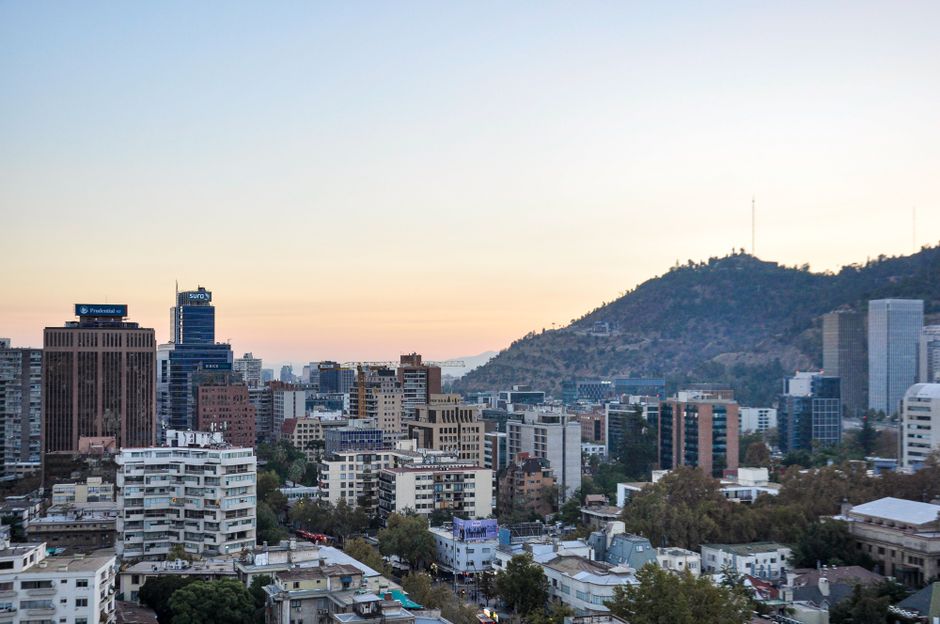
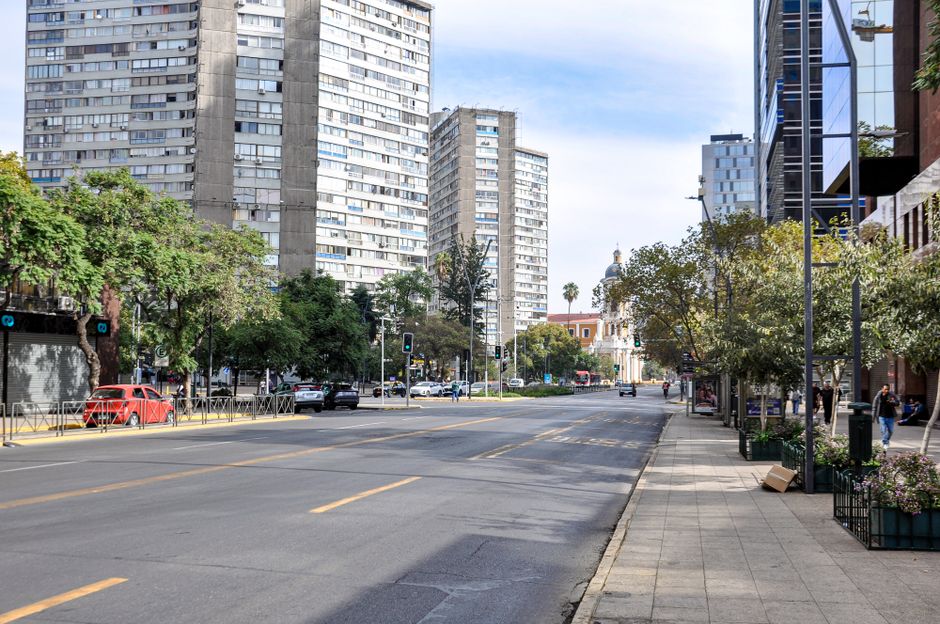
Santiago's housing landscape shifted dramatically this week when the Metropolitan City Council greenlit sweeping zoning amendments that will allow developers to increase building density in traditionally mid-rise neighbourhoods. The decision, approved Tuesday after months of community consultation, fundamentally alters how the capital approaches its chronic housing shortage while sparking fierce resistance from residents' associations.
The new regulations permit construction of up to 12-storey residential buildings in Ñuñoa and select zones of Providencia—previously capped at eight storeys—whilst relaxing minimum lot sizes along Avenida Grecia and Avenida Italia. Officials argue the measures could unlock approximately 8,500 new housing units over the next five years, addressing a supply deficit that has pushed median apartment prices in central Santiago to 7.2 million pesos per square metre.
However, residents' groups maintaining offices near Plaza Baquedano have mobilised opposition, citing infrastructure strain and the preservation of neighbourhood character. The Ñuñoa Residents' Coalition submitted over 2,000 signatures objecting to the changes, concerns echoed by business owners on Avenida Apoquindo who worry about construction disruption.
The Council's Housing and Urban Development Commission emphasised that without intervention, Santiago's projected population increase—estimated at 650,000 residents by 2031—risks deepening inequality. Current data shows families earning below 1.5 million pesos monthly occupy just 12 percent of new housing stock built in the past three years, a disparity planners hope targeted density zoning will address.
City engineers also announced preliminary plans for the La Vega district corridor, proposing mixed-income residential-commercial development between Plaza de Armas and the eastern foothills. The proposal includes subsidised housing quotas requiring developers to allocate 15 percent of units for low-income families—a provision that drew cautious support from housing advocacy organisations.
Transport officials confirmed concurrent improvements to metro connectivity, with expansions planned for Lines 1 and 6 serving redevelopment zones. The municipal budget allocation for these infrastructure projects reached 420 million pesos this fiscal year, though critics argue funding remains insufficient for the scale of anticipated growth.
Public hearings on detailed implementation begin next month at the Civic Centre on Teatinos. Planners expect formal zoning maps to take effect in September, marking one of Santiago's most significant urban planning decisions in a decade.
This article was compiled by AI from the sources linked above and screened before publishing. See our editorial standards.