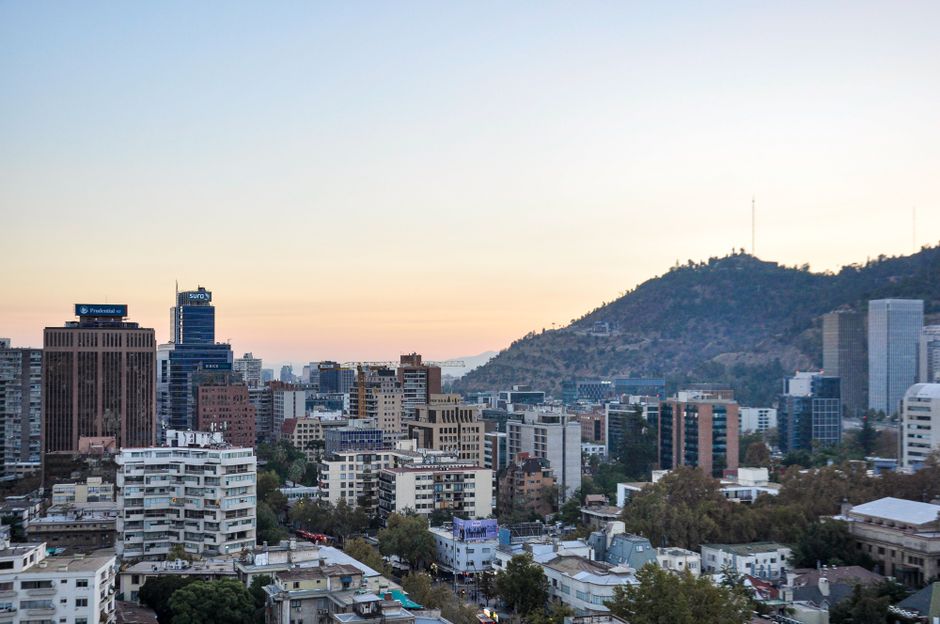
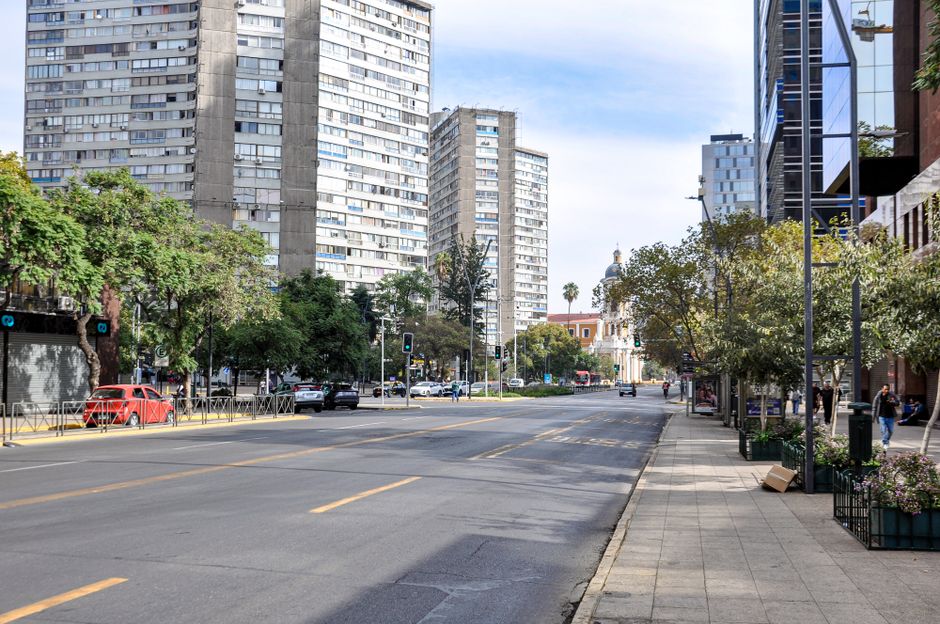
Construction crews have begun preliminary demolition work along Avenida Vicuña Mackenna this week, marking the visible start of Santiago's most ambitious public transport project in over a decade. The Metro Line 7 extension—set to add seven new stations and connect previously underserved neighbourhoods—represents a pivotal moment for roughly 340,000 residents who currently face commute times averaging 90 minutes to reach central business districts.
For merchants along the affected corridor, the immediate impact is sharp. Small business owners in La Florida report that foot traffic has already declined by an estimated 15-20 per cent as barriers go up. Fernando Estévez, who operates a family pharmacy metres from the primary construction zone, told The Daily Santiago that uncertainty about timeline extensions is his primary concern. The municipality has projected completion by mid-2029, though similar projects in Santiago have historically run 18-24 months behind schedule.
Yet the long-term calculus shifts dramatically in residents' favour. Transport modelling suggests the new stations—including key stops in Maipú, Cerrillos, and surrounding areas—could reduce average commute times by up to 35 minutes for nearly 200,000 daily users. For a city where transport costs consume roughly 12 per cent of household budgets for lower-income families, the savings could prove transformative. A single metro fare currently costs 880 pesos, compared to upwards of 2,500 pesos for equivalent bus journeys.
The project also carries broader implications for neighbourhood development. Property values in anticipated station areas have already risen 8-12 per cent, according to real estate analysts, though concerns about gentrification loom large. Community groups have begun engaging with the Metro Corporation demanding affordable housing protections and small business continuity programmes.
Local organisations like the Federación de Comerciantes de La Florida have negotiated temporary rent relief and relocation assistance packages, setting a template for other affected zones. These provisions—while imperfect—reflect growing recognition that infrastructure projects must account for community stability, not merely connectivity.
The extension's completion will ultimately link Santiago's southern districts to the city's employment and cultural core with unprecedented efficiency. For residents enduring months of construction noise and disruption, that promise provides necessary perspective. Infrastructure transformation rarely proceeds without friction; the question now is whether Santiago's authorities remain committed to cushioning the blow for those bearing the immediate costs.
This article was compiled by AI from the sources linked above and screened before publishing. See our editorial standards.