Santiago's Green Infrastructure Push Accelerates: This Week's Major Environmental Wins
New metro line extension, expanded recycling program, and corporate net-zero commitments signal shifting momentum in the capital's sustainability agenda.
New metro line extension, expanded recycling program, and corporate net-zero commitments signal shifting momentum in the capital's sustainability agenda.

Santiago's environmental landscape shifted measurably this week as three significant sustainability initiatives moved from planning into implementation, marking what local observers are calling a decisive turn in the capital's climate strategy.
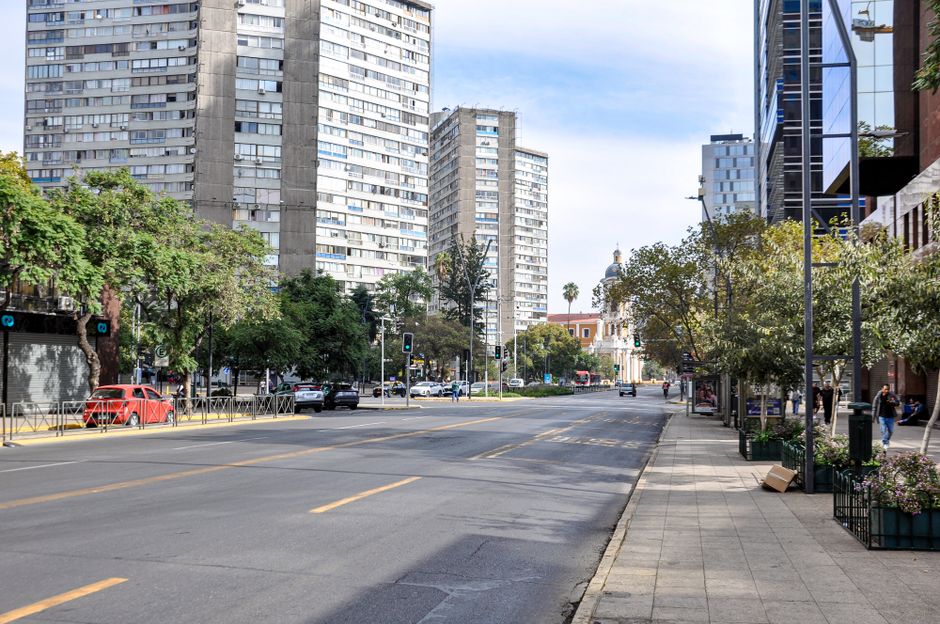
The most visible development came Monday with the official groundbreaking for the Metro Line 7 extension through the Quinta Normal neighbourhood, a project that promises to reduce vehicular traffic in one of Santiago's most congested corridors by an estimated 18 percent. The 4.2-kilometre extension, set to open in 2028, will connect the industrial zones along Avenida Matucana directly to the city centre, potentially removing approximately 12,000 daily car journeys from the streets. Transport officials estimate the initiative will decrease carbon emissions in the metropolitan region by 24,000 tonnes annually once fully operational.
Separately, the Santiago Municipal Corporation unveiled an expanded waste separation programme beginning this week across all 52 communes. The initiative, piloted in Providencia and Las Condes since March, now extends to working-class districts including San Ramón and La Florida. Residents will have access to dedicated collection points for organic waste, which represents roughly 40 percent of household rubbish. The programme targets a 35 percent reduction in landfill deposits within eighteen months, with collected organic material destined for composting facilities in the Maipo Valley.
On the corporate front, fourteen major Chilean companies—including mining, retail, and telecommunications sectors—formally committed Wednesday to net-zero emissions targets by 2040, exceeding the nation's legally mandated 2050 deadline. Representatives gathered at the Centro Cultural Palacio de La Moneda to sign binding agreements, with several firms pledging to transition away from coal-powered operations by 2032. The announcements represent approximately 8 billion USD in committed climate investment across the Chilean economy.
Local environmental groups offered cautious optimism. While welcoming the metro extension, observers noted that Santiago's broader car dependency remains structural—private vehicle ownership has grown 12 percent since 2020 despite public transit improvements. Similarly, the waste programme's success will depend on sustained citizen participation; previous initiatives achieved only 22 percent long-term compliance rates.
Water security concerns also resurfaced this week, with the Mapocho River's water levels declining 8 percent compared to June 2025. Climate researchers attribute the drop to reduced snowmelt from the Andes and persistent drought conditions affecting central Chile since 2019.
Whether these initiatives represent genuine structural change or incremental adjustment remains an open question as Santiago confronts the gap between environmental commitments and implementation realities.
This article was compiled by AI from the sources linked above and screened before publishing. See our editorial standards.
How does this story make you feel?
Spread the word
About this article
Published by The Daily Santiago
Daily brief
Free, in your inbox before 7am. Weekdays.
More in News