Santiago's Green Push Could Save Residents Thousands While Transforming Daily Life
New sustainability initiatives across the city promise cleaner air, lower utility bills, and stronger communities—but only if locals get involved.
New sustainability initiatives across the city promise cleaner air, lower utility bills, and stronger communities—but only if locals get involved.
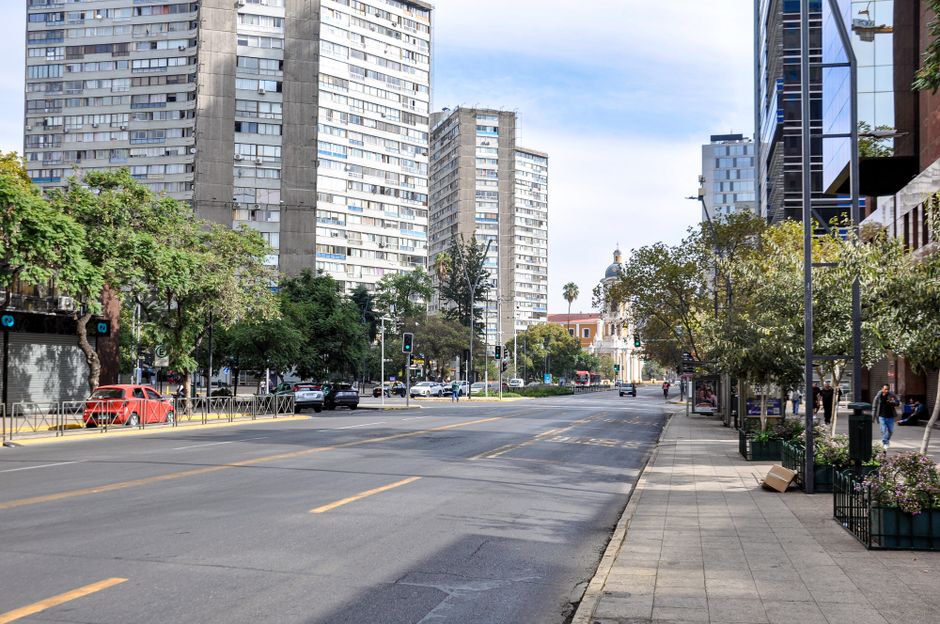
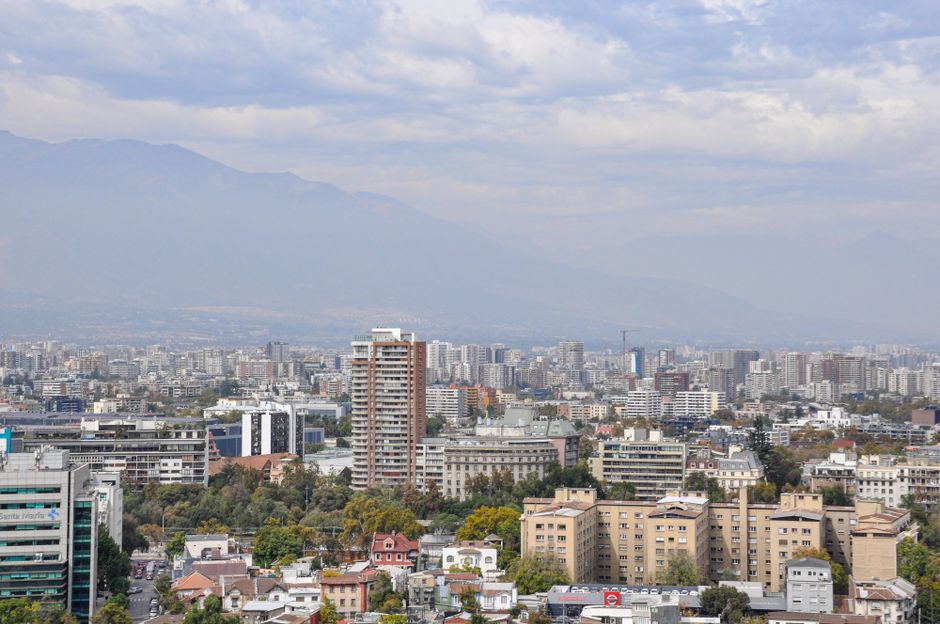
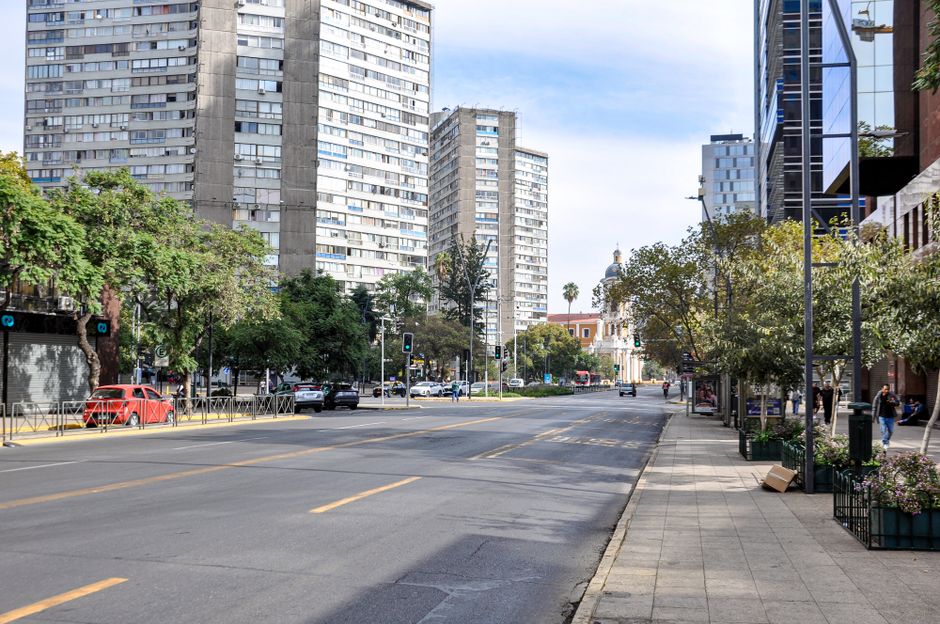
Walking through Providencia on a smoggy morning, it's easy to understand why Santiago residents are embracing the city's most ambitious environmental overhaul in a decade. The Metropolitan Environmental Service reports air quality violations have dropped 23% since new emissions standards took effect, yet many neighbourhoods still struggle with pollution levels that health officials link to respiratory problems affecting nearly one in four children.
The stakes are personal. A typical Santiago household spends between 180,000 and 220,000 pesos monthly on electricity and water. City-backed efficiency programs now offer residents subsidised solar panel installations and smart water metres, potentially cutting these costs by 30-40%. For families in Las Condes, Ñuñoa, and working-class areas like San Ramón, that translates to real savings.
"We're not talking about abstract climate policy," explains the Mapocho Riverbank Restoration Project coordinator. The initiative has transformed 4.2 kilometres of the river corridor—once a dumping ground—into green space accessible from the Cerro Santa Lucía to Quinta Normal Park. Local vendors report increased foot traffic; residents cite improved mental health and exercise opportunities.
Concrete examples matter most. The Centro neighbourhood's waste-sorting initiative, launched six months ago across Merced and Lastarria districts, diverts 45 tonnes of recyclables monthly from landfills. Participating businesses report modest cost savings through reduced collection fees. Meanwhile, Santiago's expanding metro system—adding three new stations by 2028—promises to reduce car dependency in congested corridors like the Alameda.
But implementation remains uneven. Outer neighbourhoods like La Pintana and Puente Alto lack the infrastructure investments flowing to wealthier central areas. Community activists warn against a two-tier system where affluent districts green their streets while peripheral communities absorb ongoing industrial pollution.
The city's municipal government acknowledges the challenge. New equity-focused funding mechanisms aim to distribute sustainability projects more broadly, though budget constraints limit ambition. Public transport improvements and air-quality monitoring in underserved areas rank high on priority lists.
For average Santiago residents, the environmental agenda represents something beyond climate responsibility—it's about whether their children breathe easier, whether their electricity bills shrink, and whether public spaces become safer, more liveable places. That's why Sunday market conversations from Independencia to San Miguel increasingly focus on green initiatives: because sustainability, done right, means better neighbourhoods and lighter household budgets.
This article was compiled by AI from the sources linked above and screened before publishing. See our editorial standards.
How does this story make you feel?
Spread the word
About this article
Published by The Daily Santiago
Daily brief
Free, in your inbox before 7am. Weekdays.
More in News