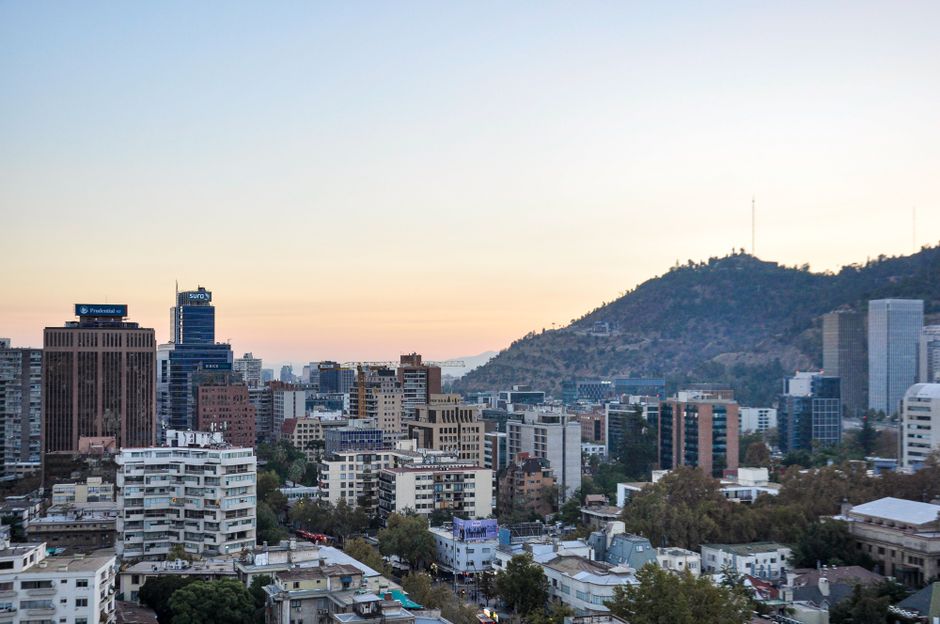
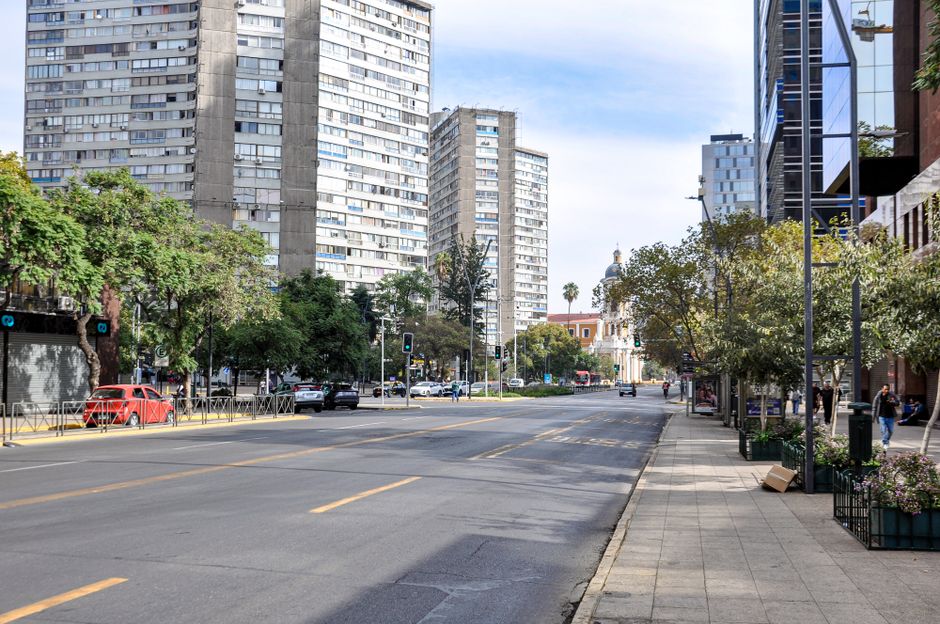
When the first tunnel-boring machine broke ground in Parque Araucano last September, construction crews began what may be Santiago's most ambitious transport project in a decade. The $2.3 billion extension of Metro Line 7—stretching 6.3 kilometres from Cerro Navia through La Reina to the emerging tech hub at Parque Arauco—promises to cut commute times by up to 40 minutes for residents across the capital's eastern zones. But for the 400,000 people living along the route, the reality is far more complicated than a ribbon-cutting ceremony.
The project's scale is undeniable. Currently, residents in La Reina and parts of Ñuñoa spend an average of 67 minutes commuting to central business districts, according to the Metropolitan Transport Authority. The new line will reduce that to 27 minutes during peak hours. Yet between now and the projected 2029 completion date, Avenida Apoquindo has become a construction corridor. Local restaurants and retail shops report 35-45% drops in foot traffic. "We're losing customers daily," says one owner of a family-run café near the Andrés Bello station entrance. "Everyone's talking about the metro benefits, but they're not seeing the immediate impact on our survival."
The municipality has committed 450 million pesos ($540,000 USD) in small-business relief grants, yet demand far exceeds availability. Meanwhile, property values along the corridor have jumped 22% in the past year—good news for landlords, less so for renters already facing 8.2% annual rent increases across metropolitan Santiago.
There are tangible community wins emerging. The extension will connect three new educational facilities, including the recently expanded Universidad de Chile campus in La Reina, directly to public transport. Environmental studies predict a 12% reduction in vehicular emissions across the eastern corridor by 2031. The station designs, developed with neighbourhood consultation, incorporate community spaces at Parque Bustamante and integrate local indigenous-inspired artistic murals.
Perhaps most significantly, the project promises to equalize transit access. Currently, western Santiago averages one metro station per 40,000 residents; the extension brings that ratio to one per 28,000 residents in La Reina and surrounding areas. For students, elderly residents, and low-income workers, that difference translates to tangible dignity—shorter walks, fewer transfers, affordable mobility.
City officials acknowledge the growing pains are real. A third construction phase, beginning July, will temporarily close two intersections near República station. Yet they're betting residents will accept short-term chaos for what planners insist will be long-term transformation. The question hanging over Santiago isn't whether the metro line will be built—it's whether the community will still be intact when it opens.
This article was compiled by AI from the sources linked above and screened before publishing. See our editorial standards.