Santiago's City Hall Charts New Course With Transit Overhaul Approved
This week brought sweeping changes to public transportation and a controversial rezoning decision that will reshape the capital's urban landscape.
This week brought sweeping changes to public transportation and a controversial rezoning decision that will reshape the capital's urban landscape.
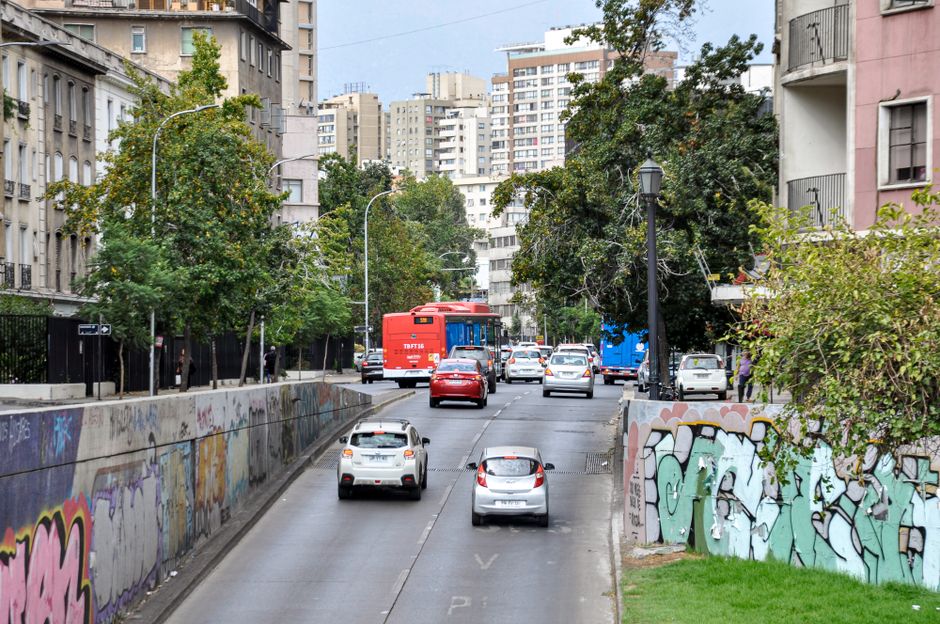
Santiago's municipal government moved forward with its most ambitious infrastructure initiative in three years as the City Council approved a comprehensive transit modernization plan on Wednesday, marking a significant shift in how the capital will manage commuter flows across its sprawling metropolitan area.
The 8-4 vote in favour of the Metro Expansion and Bus Rapid Transit Initiative promises to inject an estimated 2.3 billion pesos into public transportation infrastructure over the next five years. The plan prioritises connections between the densely populated neighbourhoods of San Miguel and La Florida, regions that have seen commute times balloon to over 90 minutes during peak hours. New dedicated bus lanes will run along Avenida Libertador Bernardo O'Higgins and extend through Ñuñoa, a move transit advocates have championed since the city's congestion crisis deepened last year.
However, not all of this week's developments drew unanimous support. A separate rezoning decision affecting Providencia's exclusive eastern districts ignited fierce debate among residents and city planners. The council voted to permit mid-rise residential development in what has historically been low-density terrain, a measure intended to increase affordable housing stock in affluent areas. Community groups from Barrio Alto staged a peaceful demonstration outside the Palacio de la Moneda on Thursday, though the measure passed 6-6 with the mayor's tiebreaking vote.
Municipal officials also announced that parking fees in the downtown business district around the Plaza de Armas will rise by 15 per cent starting next month, climbing to approximately 4,500 pesos for an eight-hour permit. City administrators argued the increase funds maintenance of aging underground garages and supports the broader sustainability agenda aimed at reducing private vehicle use by 12 per cent by 2028.
The week concluded with a heated environmental review meeting regarding proposed commercial development on Parque Metropolitano's periphery. Though the project cleared preliminary assessment, environmental groups demanded additional ecological impact studies before final approval.
Observers note that Santiago's city government faces mounting pressure to balance growth imperatives with livability concerns. With municipal elections now less than eighteen months away, how the current administration executes these infrastructure promises will likely define its legacy. Transport experts suggest that effective implementation of the new transit plan could reduce citywide congestion by as much as 18 per cent, though such outcomes hinge on adequate funding and timely execution—historical weak points for Santiago's public works.
This article was compiled by AI from the sources linked above and screened before publishing. See our editorial standards.
How does this story make you feel?
Spread the word
About this article
Published by The Daily Santiago
Daily brief
Free, in your inbox before 7am. Weekdays.
More in News