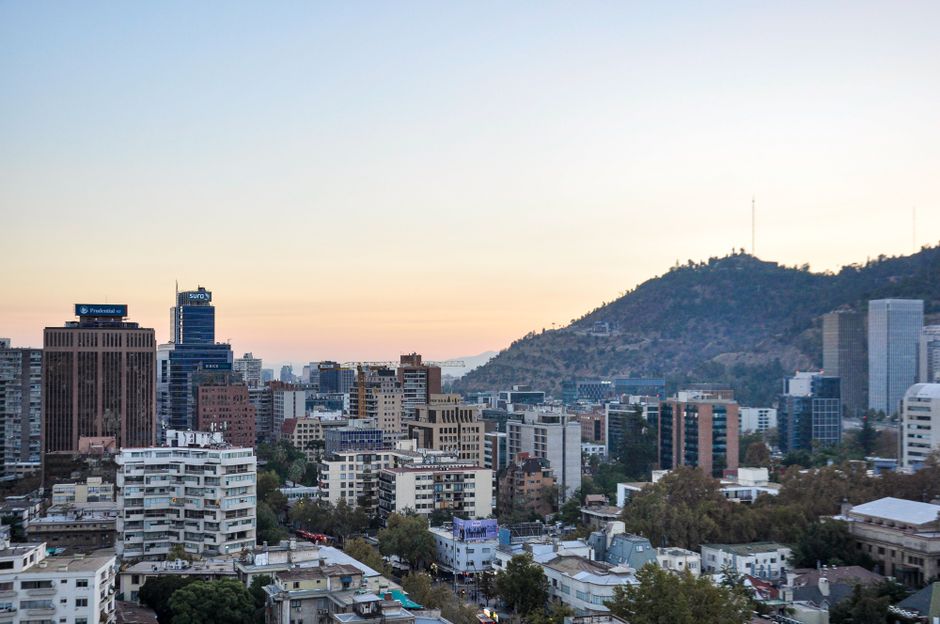
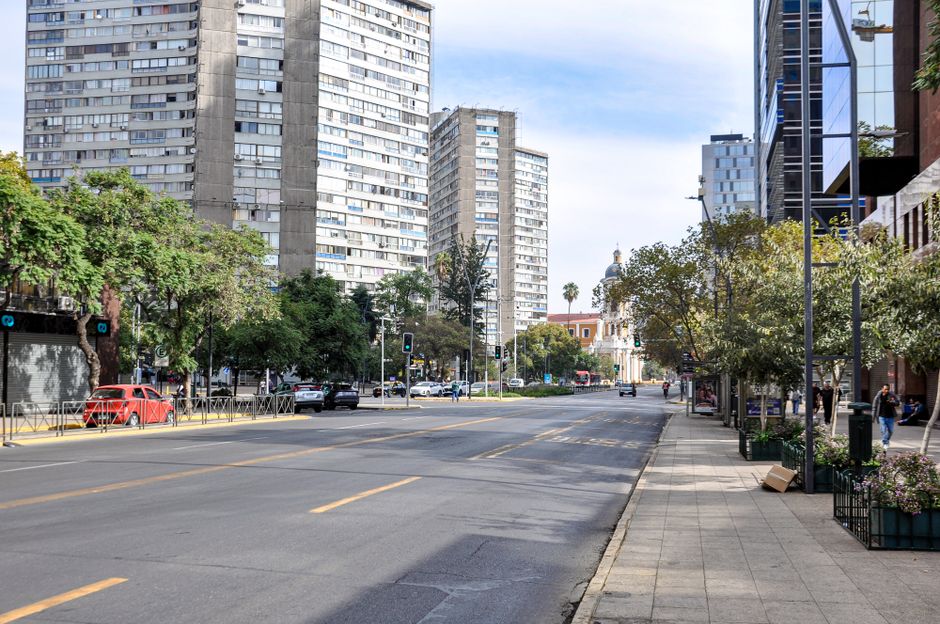
Walk through Barrio Brasil today and you'll hear Spanish, Haitian Creole, Mandarin, and Arabic flowing from the cafés and restaurants lining Avenida Concha y Toro. But this mosaic didn't emerge overnight. Understanding Santiago's multicultural present requires examining the economic and political currents that brought us here.
The foundation was laid in the 1990s when Chile's return to democracy coincided with regional economic liberalisation. Santiago's financial sector boomed, attracting professionals from across South America seeking opportunity. Initially, migration remained modest—mostly skilled workers and their families. By the early 2000s, however, broader demographic forces accelerated the flow. Peru, Bolivia, and Colombia were experiencing economic stagnation; Santiago offered relative stability and wages that, while modest by developed-world standards, significantly exceeded neighbouring countries.
The real inflection point came after 2010. A devastating earthquake displaced thousands, but reconstruction investment pumped billions into Santiago's economy. Construction booms require labour. Agricultural crises in Central America coincided with this demand, and migration networks—family chains, community connections—began funnelling workers northward. By 2015, official statistics showed nearly 600,000 migrants living in the metropolitan area, roughly 8% of the population. Today, that figure approaches 1.2 million across all of Chile, with Santiago accounting for nearly half.
Neighbourhoods transformed accordingly. The comuna of La Florida, once predominantly Chilean working-class, now hosts thriving Venezuelan and Colombian communities. Plaza Italia became an informal hub for migrant workers and organisations. The Mercado Vega, Santiago's historic market, shifted from a purely Chilean institution to a multilingual marketplace where stallholders haggle in five languages.
This expansion wasn't without tension. Housing demand intensified competition in already-crowded barrios. Rental prices in central Santiago climbed from roughly 400,000 pesos monthly in 2010 to over 900,000 pesos today for modest two-bedroom flats. Schools in diverse neighbourhoods struggled with language instruction. Healthcare providers adapted—translation services became standard across public clinics in Ñuñoa and Recoleta.
What's often overlooked is how Santiago's business community actively recruited migrant workers. Agricultural exporters, construction firms, and hospitality sectors relied on migrant labour to meet global demand and maintain profit margins. This wasn't accidental diversity—it was economically engineered.
Today, as we navigate questions about integration, housing access, and social cohesion, recognising these origins matters. Santiago's multicultural character is neither a recent aberration nor purely organic growth. It's the product of deliberate economic policies, regional inequality, and decades of decision-making by both Chilean institutions and migrants seeking better lives. Understanding this history shapes how we address the challenges ahead.
This article was compiled by AI from the sources linked above and screened before publishing. See our editorial standards.