Santiago's university expansion plan could reshape opportunity for working-class families—here's what's at stake
New campuses planned for outer neighborhoods aim to cut commute costs and widen access, but affordability questions loom large.
New campuses planned for outer neighborhoods aim to cut commute costs and widen access, but affordability questions loom large.
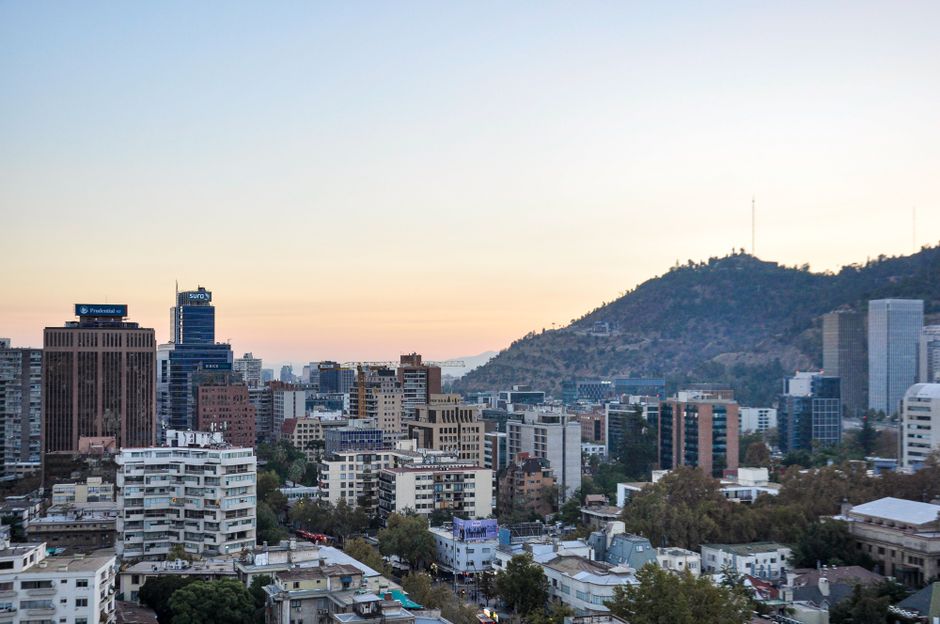
A proposed expansion of Chile's public university system into outer Santiago neighborhoods could fundamentally alter educational opportunity for thousands of working-class families currently forced to choose between grueling commutes and abandoning higher education altogether.
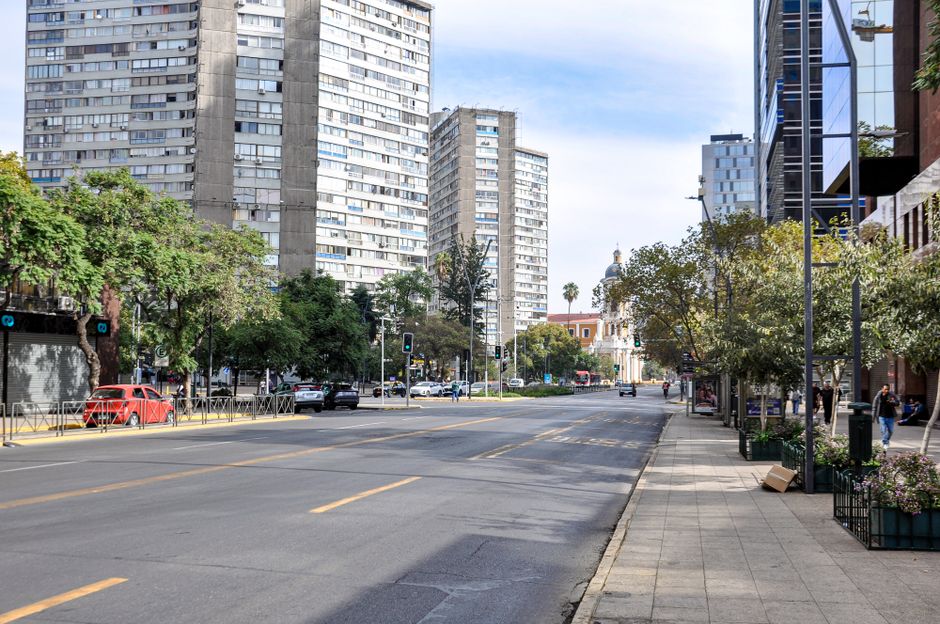
The initiative, set for implementation over the next four years, would establish satellite campuses in Las Condes, Puente Alto, and La Florida—communities where median household incomes hover around 1.2 million pesos monthly, according to recent municipal data. Currently, students from these areas spend an average of 90 minutes commuting daily to central campuses near Plaza Italia and the Universidad de Santiago campus on Avenida Libertador Bernardo O'Higgins.
For families in neighborhoods like Lo Barnechea and El Bosque, the financial and temporal burden has been substantial. Transport costs alone consume roughly 8-12 percent of household budgets for students traveling to central institutions, while time spent commuting often forces students to reduce work hours or abandon part-time employment that subsidizes tuition and living expenses.
"We're talking about genuine structural barriers," explains the impact, though local educators emphasize the initiative addresses genuine need. The outer neighborhoods currently contribute less than 22 percent of Chile's university enrollment despite representing nearly 40 percent of Santiago's population.
The expansion targets STEM and technical programs initially, with plans for engineering, nursing, and digital technology degrees at the new facilities. Monthly tuition across public universities currently ranges from 80,000 to 180,000 pesos depending on program and family income, though the government has committed to maintaining existing fee structures at new campuses.
Yet challenges remain substantial. Infrastructure investment estimates exceed 340 million dollars, and officials have not clarified funding sources. Additionally, establishing equivalent academic standards and faculty recruitment in emerging neighborhoods will require sustained investment beyond opening ceremonies.
Community leaders in Puente Alto and La Florida have cautiously welcomed the announcement, though some worry that decentralization might create a two-tier system where outer-campus students receive diminished resources. "We need assurance these aren't second-class institutions," one neighborhood advocacy group stated.
For Santiago's broader economic mobility narrative, the stakes are significant. Educational access directly correlates with wage progression and professional opportunity—factors that have historically reinforced spatial inequality across the metropolitan region. If implemented thoughtfully, this expansion could represent meaningful progress. If rushed or underfunded, it risks deepening frustration among communities already skeptical of institutional commitment to genuine equity.
Local residents deserve clarity on timelines, faculty qualifications, and sustained funding before expansion breaks ground.
This article was compiled by AI from the sources linked above and screened before publishing. See our editorial standards.
How does this story make you feel?
Spread the word
About this article
Published by The Daily Santiago
Daily brief
Free, in your inbox before 7am. Weekdays.
More in News